
Strait of Hormuz Tensions Impact Global Oil Supply Disruption
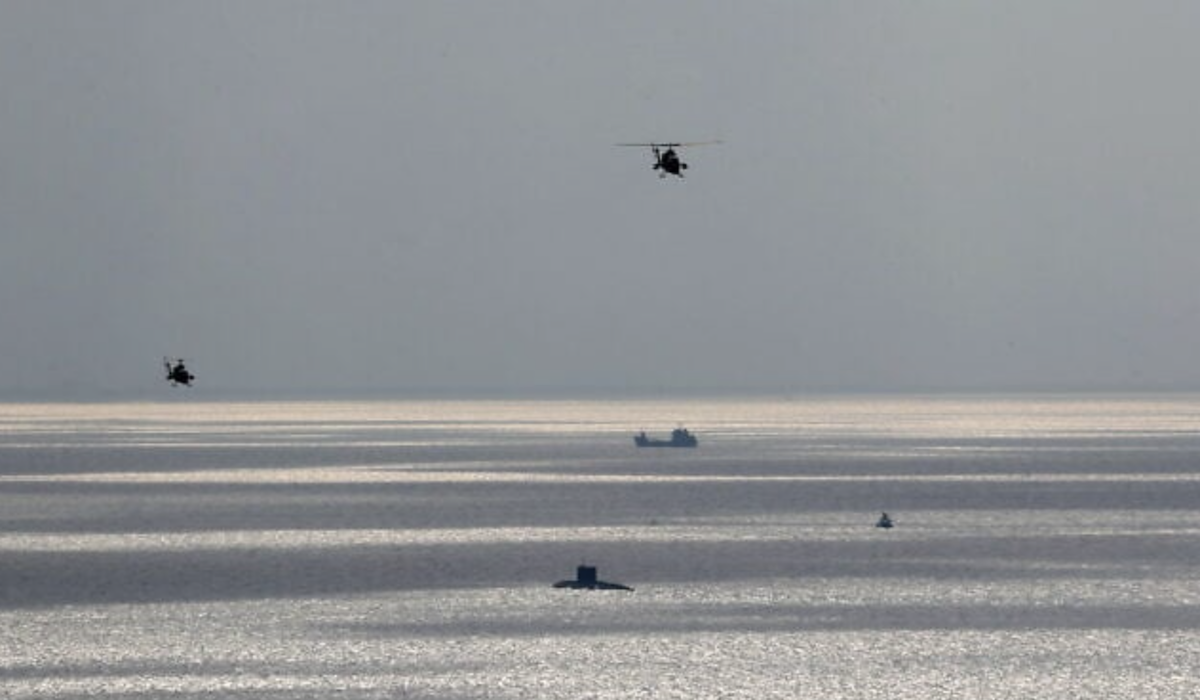
The Strait of Hormuz has returned to the forefront of international geopolitical dynamics as tensions between Iran and the United States intensify. This narrow waterway is regarded as the most vulnerable point in global energy distribution, where even minor disruptions can trigger worldwide economic shocks.
In late January 2026, a senior commander of Iran’s Revolutionary Guards issued a forceful threat to close the Strait of Hormuz if Iranian military facilities continue to be targeted by attacks. This statement emerged in response to the firm stance of US President Donald Trump, who has instructed joint military operations with Israel against strategic sites in Iran.
Although Iran has historically rarely conducted a complete blockade, restricting access to portions of the strait under the pretext of military exercises is frequently used to demonstrate Tehran’s bargaining power on the international stage.
Geographically, the Strait of Hormuz lies between Iran and Oman’s exclave of Musandam. Several key facts underscore its sensitivity as a military and economic corridor. The Revolutionary Guards maintain full control over naval operations in the Persian Gulf, whilst the presence of the US Fifth Fleet in Bahrain and American military bases in Qatar frequently become points of diplomatic friction.
History records that these waters have witnessed numerous bloody incidents, ranging from the “Tanker War” of 1984 to the downing of Iranian passenger aircraft Iran Air Flight 655 between Bandar Abbas and Dubai in 1988 by an American naval vessel’s missile.
Entering 2026, risks of commercial vessel seizure have increased. In April 2024, the Revolutionary Guards seized the container ship MSC Aries, and in early February 2026, an American-flagged tanker was intercepted by an Iranian naval vessel, adding to the lengthy list of maritime incidents in the region.
Global dependence on the Strait of Hormuz is difficult to substitute. Although Saudi Arabia and the United Arab Emirates have developed alternative pipeline infrastructure, its capacity stands at only approximately 2.6 million barrels per day—insufficient to close the gap should the main route be entirely disrupted.
For Asian markets, particularly China which imports 90% of its oil from Iran, stability of the Strait of Hormuz is non-negotiable. Any disruption to this corridor would inevitably trigger surges in global energy inflation with consequences for rising commodity prices across nations, including in domestic markets.