
Strait of Hormuz Remains Blocked, Oil Reserves Forced to Flow
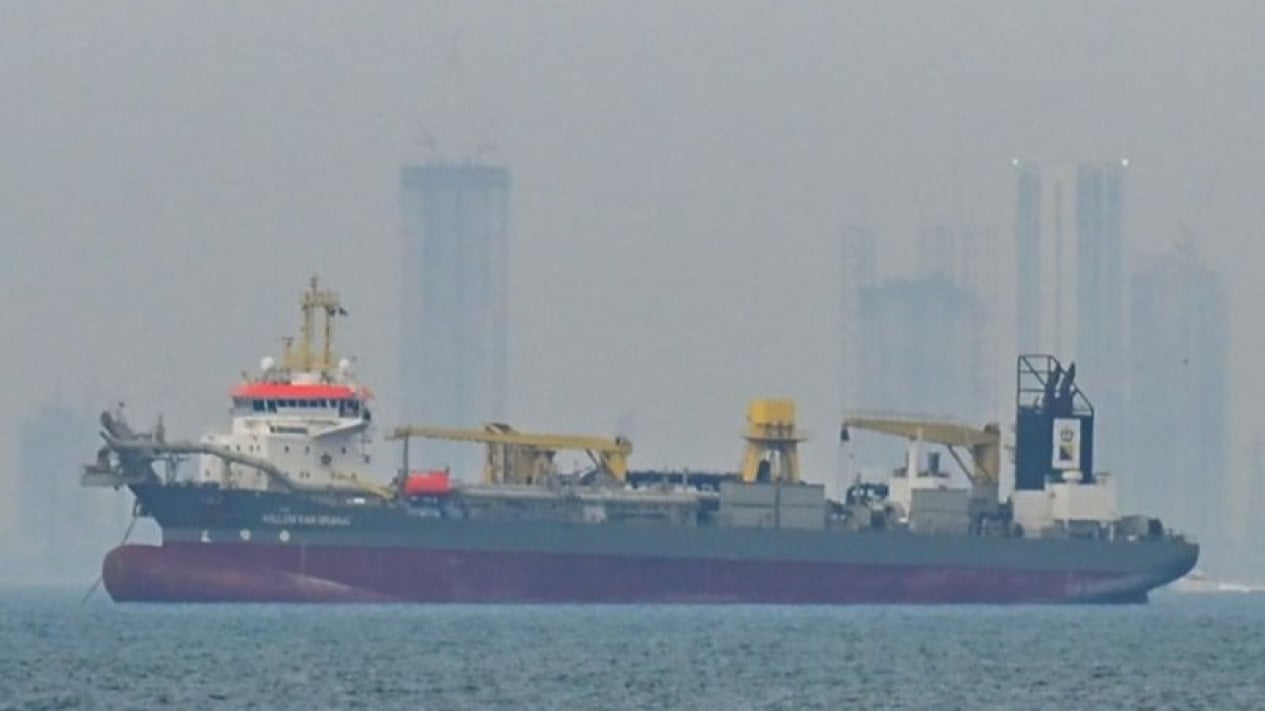
Jakarta, VIVA - As 32 countries begin releasing oil reserves to stabilise the increasingly expensive price of crude oil, Iran is intensifying attacks in the Strait of Hormuz region.
All members of the International Energy Agency (IEA), a coalition of the world’s largest energy-consuming countries, have agreed to release hundreds of millions of barrels of crude oil from their strategic reserves.
However, this move has not lowered crude oil prices; on the contrary, last weekend, Brent crude oil prices rose to US$100 (Rp1.69 million) per barrel.
Meanwhile, Iran is escalating attacks near the Strait of Hormuz, including against several commercial transport vessels such as oil tankers and cargo ships. The Iranian government has blockaded the Strait of Hormuz since 28 February 2026.
Yet, through this strait, Gulf countries export one-fifth of crude oil and natural gas, primarily to Asia. As a result, cargo and tanker traffic has come to a halt.
Major oil-producing countries such as Saudi Arabia, Iraq, Kuwait, and the United Arab Emirates (UAE) are also reducing production because their domestic storage is nearing full capacity, heightening concerns about energy market stability.
What are strategic oil reserves?
They are stockpiles of crude oil controlled by governments and used if supplies are disrupted or in market emergencies. The first modern storage was created by the United States (US) in 1975, following the Arab oil embargo, which demonstrated the vulnerability of global energy supplies.
That shock quadrupled oil prices and triggered fuel shortages in Western countries, revealing the economic stability risks if supplies decline. Now, dozens of countries, particularly IEA members, maintain strategic stockpiles as part of a coordinated system for energy security.
IEA members hold reserves of more than 1.2 billion barrels, plus about 600 million barrels owned by the industrial sector. It is estimated that China has the largest emergency storage, followed by the US.
Energy and transport analysis firm Vortexa estimates that China has reserves of 1.3 billion barrels. These reserves are believed to be able to support China’s economy for three or four months.
The US’s stockpiles, totalling 415 million barrels, plus 439 million barrels owned by the private sector, equate to more than 40 days of emergency supply, as quoted from the DW website, Friday, 20 March 2026.