
Strait of Hormuz No Longer the Same After Iran Conflict
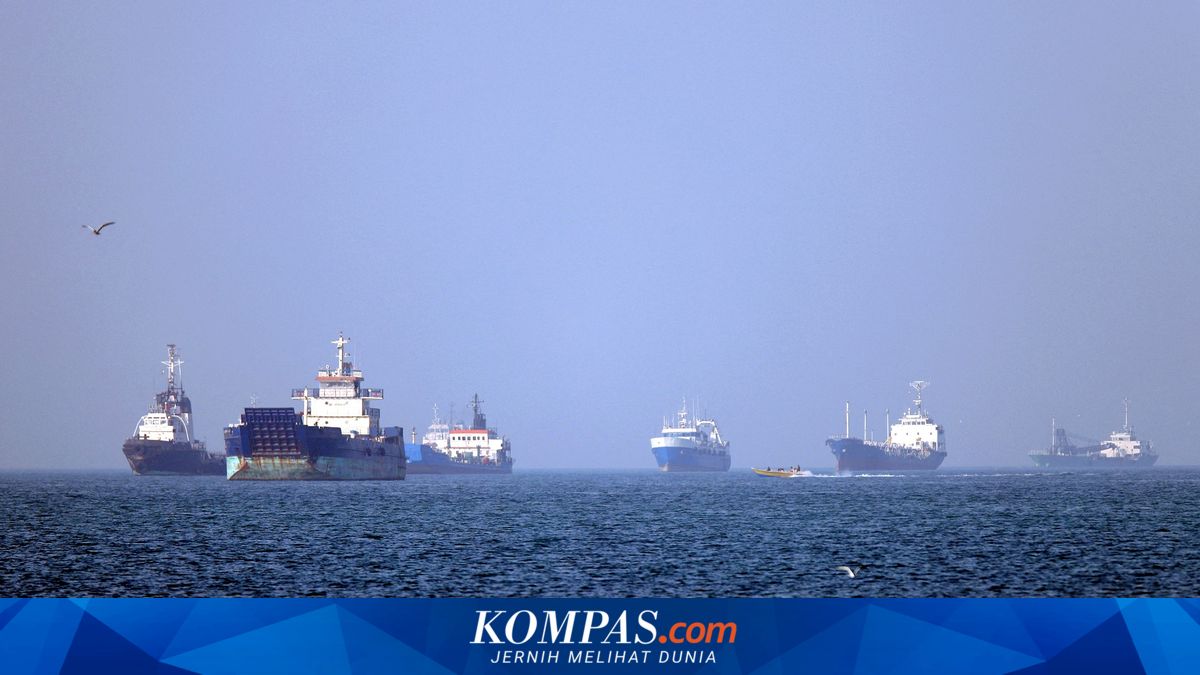
Global energy markets face a new order following the Iran conflict. Despite the conflict easing and a US-Iran agreement being reached, oil exports through the Strait of Hormuz are unlikely to return to pre-war levels.
Shipping industry players believe geopolitical risks in the Persian Gulf will continue to shadow energy transportation activities.
Ship owners now have to consider the possibility of renewed conflict at any time, as well as the risks of operating in shipping routes increasingly influenced by Iran.
Quoted from CNBC, Sunday, 31 May 2026, former senior energy and national security adviser to President Joe Biden, Amos Hochstein, said many Middle Eastern leaders believe Iran now has effective control over the strait.
“Regardless of what happens, Iran will control the Strait of Hormuz in the foreseeable future. Even the details of the agreement are not very impactful because all regional parties believe this,” Hochstein said.
Helima Croft, Head of Global Commodities Strategy at RBC Capital Markets, believes pre-war tanker traffic volumes may be a peak that’s hard to reach again soon.
She added that any conflict resolution that leaves Iran with operational control and significant influence over the Strait of Hormuz would lead to reduced vessel traffic on the route.
In this scenario, Chinese-affiliated ships are expected to sail more freely, while Western vessels may need to rely on bilateral agreements with Iran for access.
Meade assessed that the situation would not immediately trigger a global recession but could create a more complex environment.
According to him, the Strait of Hormuz could become a permanently divided shipping route where access is determined by political relationships rather than the principle of freedom of navigation.
Iran-backed Houthi attacks against commercial ships since November 2023 caused vessel traffic in the Bab el-Mandeb Strait to plummet by over 50%, from around 75 ships per day to just 31 in January 2024.
Although Houthi attacks ceased by the end of last year, vessel flows in the region have yet to return to pre-crisis normal levels.