
Strait of Hormuz Heats Up, US Delays Attack on Iran's Energy Facilities
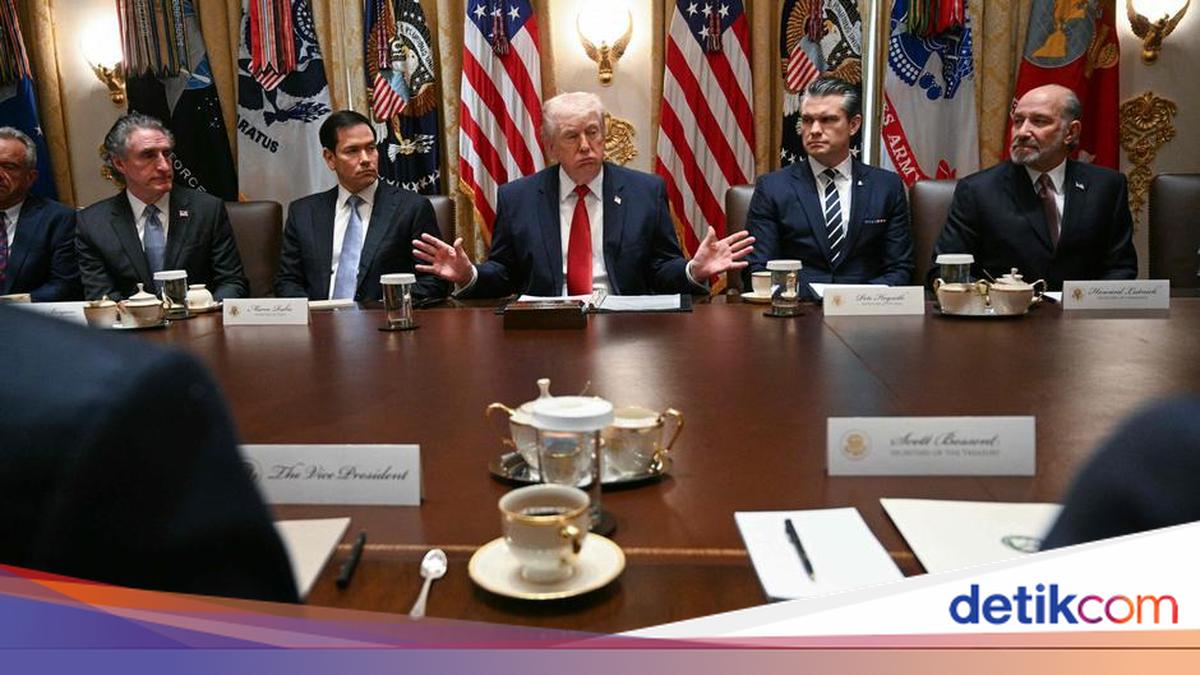
US President Donald Trump has stated that he will delay the “destruction of energy facilities for 10 days” in Iran until 6 April. In a post on his Truth Social platform, he added that the step was taken following a request from the Iranian government. Trump also wrote that talks are still “ongoing” and “going very well.” Last weekend, Trump said the US would bombard Iran’s energy infrastructure if Tehran did not allow ships to pass through the Strait of Hormuz within 48 hours. He then postponed that ultimatum until Friday (27/03), and now has extended the delay further. Iran has stated it will retaliate with attacks on energy facilities in the Gulf region if Trump follows through on his threat. Iran has effectively blockaded the Strait of Hormuz, a route through which around 20 per cent of the world’s oil and liquefied natural gas supplies pass, driving up energy prices and shaking global financial markets. US Pressure on Allies to Secure the Route Previously, Trump called on NATO countries to help the US secure the Strait of Hormuz. Shortly after, Trump criticised NATO for allegedly not supporting the US-Israel military campaign in Iran. NATO Secretary General Mark Rutte said European countries need time due to “strong reasons,” including the lack of prior notice regarding the US-Israel attack on Iran on 28 February. “The good news now is that, thanks to leadership from six countries, namely the UK, France, Italy, Germany, Japan, and the Netherlands, more than 30 countries have committed to gathering and discussing when and where steps will be taken to ensure the sea route remains open,” Rutte said. In line with Trump, US Secretary of State Marco Rubio on Thursday (26/03) also said that reopening the Strait of Hormuz shipping lane is in the “interest” of all G7 countries. The G7 group consists of Canada, France, Germany, Italy, Japan, the UK, and the United States. “It is in their interest to help,” Rubio said shortly before departing for France to attend the G7 foreign ministers’ meeting outside Paris on Friday (27/03). France and UK Lead Discussions on Hormuz The French Ministry of Defence stated in a release that 35 countries participated in discussions on Thursday (26/03) regarding securing routes for tanker ships crossing the Strait of Hormuz. The video conference of defence chiefs focused on ways to reopen the shipping lane “after the intensity of hostilities has significantly decreased,” the statement said. Such steps could be “entirely defensive” to escort commercial ships and restore freedom of navigation, the ministry added. French President Emmanuel Macron is now proposing a United Nations framework for any actions in the strait, stating that international efforts can only proceed after the hostile situation eases, with involvement from insurance and shipping companies, and Iran’s approval. France has deployed a carrier strike group to the eastern Mediterranean, as well as two helicopter carriers and eight warships to the Middle East in preparation for possible future missions. The UK has also stated it is working with allies to draw up a “feasible” plan to reopen the strait. According to Prime Minister Keir Starmer, this will be difficult without de-escalation in the Middle East. A defence official said the initial phase would focus on mine-clearing operations, followed by a second phase of protecting tankers crossing the area. Mine-clearing efforts could pose a major challenge, as the United States lacks the capacity to do it alone, according to several sources. Iran Open to Spain’s Requests on Hormuz Amid ongoing discussions between European Union countries, the Iranian Embassy in Spain has stated that Tehran is open to any requests from Madrid regarding the Strait of Hormuz. According to the embassy, this is based on Spain’s respect for international law. This marks Iran’s first concession to a European Union member state. Spanish Prime Minister Pedro Sanchez, known as one of Europe’s most progressive leaders, was one of the first to oppose the US-Israel war with Iran. Since then, he has remained consistent in his rejection of the conflict. Spain also refused to allow the US to use its military bases. Trump previously said “we can use their bases if we want,” referring to jointly used facilities in Rota and Moron in southern Spain, but which remain under Spanish control.