
Strait of Hormuz Heats Up, Southeast Asia Faces Tough Choice: Save Energy or Increase Subsidies
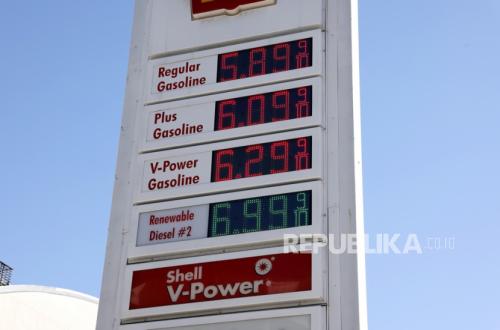
REPUBLIKA.CO.ID, BANGKOK – The United States’ attack on Iran has sparked a global energy crisis that is forcing countries to choose between reducing demand or increasing budgets. This crisis is also prompting governments worldwide to focus more on securing supplies than maintaining energy transition trends.
Asia is the region most affected by the halt in oil supplies passing through the Strait of Hormuz. This narrow channel off Iran’s coast is the main route for one-fifth of the world’s oil and liquefied natural gas trade.
Governments in Asian countries are struggling to maintain oil reserves, conserve energy, compete for supplies, and suppress price spikes. This creates additional difficulties: conserving energy could slow economic activity. Prioritising gas for households could also harm restaurants and other businesses.
“Even the smallest energy savings can hinder industrial activity,” said consultant from Control Risk, Linh Nguyen, on Sunday (17/3/2026).
She cited Vietnam’s energy-intensive export industries as an example. Nguyen warned that any savings or energy tariff increases could drive up production costs and restrain factory output.
Observers warn that this dilemma will spread not only in Asia but also to other oil-importing economies such as those in Africa and other regions. This is because all countries worldwide are grappling to obtain increasingly scarce oil supplies.
“This situation is common across all sectors; there are no easy decisions to make in the short term,” said energy expert from the Energy Shift Institute, Putra Adhiguna.
Although they have already tapped into oil reserves, countries in Southeast Asia remain vulnerable to oil price surges. Governments in the region are urging households, businesses, and government institutions to reduce energy use.