
Strait of Hormuz Heats Up, Iran Calls US Operation Illegal
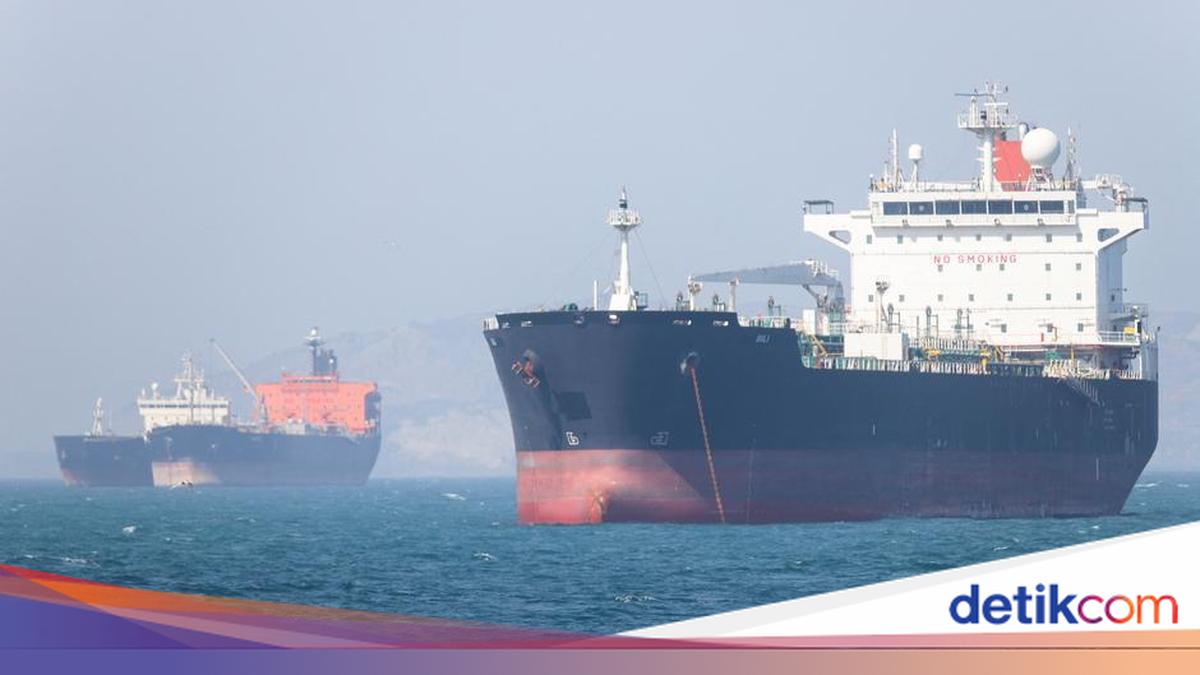
At the same time, tensions have spread to the Gulf region. The United Arab Emirates (UAE) reported an attack for the first time since the initial ceasefire in early April. On Monday (4/5), the UAE’s air defence system intercepted 15 missiles and four drones. Although most were successfully stopped, one drone triggered a fire at an oil facility in Fujairah and injured three Indian workers. Additionally, two cargo ships were reported to be on fire in offshore waters. Washington’s efforts to reopen shipping lanes are seen as capable of easing global economic pressures but also increasing the risk of escalation. Shipping companies and insurers remain cautious, while Iran views the move as a violation of the fragile ceasefire and has affirmed it will continue targeting ships in the area. This step is part of an operation called “Project Freedom,” launched by US President Donald Trump on Sunday (3/5) to escort civilian vessels and reopen access in the Strait of Hormuz. Washington describes it as a mission to ensure freedom of navigation and assist global shipping, but Tehran sees it as a unilateral military intervention that worsens the situation. Hormuz Tensions: Europe Urges Iran to Negotiate German Chancellor Friedrich Merz has urged Iran’s leadership to return to the negotiating table after Tehran launched missile and drone attacks on the United Arab Emirates (UAE) on Monday (4/5). In response, Merz emphasised, “Tehran must return to the negotiating table and stop holding the region and the world hostage: the blockade of the Strait of Hormuz must end.” He added, “We strongly condemn this attack. Our solidarity is with the people of the United Arab Emirates and our partners in the region,” and reiterated that “Tehran must not possess nuclear weapons” and “there must be no further threats or attacks against our partners.” Similar calls came from UK Prime Minister Keir Starmer, who pushed for de-escalation in the Middle East. “The UK condemns the drone and missile attacks targeting the United Arab Emirates. This escalation must stop. Iran needs to engage meaningfully in negotiations to sustain the ceasefire in the Middle East and achieve a long-term diplomatic solution,” he stated. On the other hand, French President Emmanuel Macron described the attacks on civilian infrastructure in the UAE as “unjustifiable and unacceptable.” However, diplomatic efforts so far have shown no results. Negotiations between the United States and Iran, mediated by Pakistan, remain deadlocked, making the ceasefire agreed on 8 April increasingly fragile. European leaders have broadly condemned the attacks, with European Commission President Ursula von der Leyen calling them “brutal” and a violation of international law. Meanwhile, US President Donald Trump has tended to downplay the attacks. Trump previously warned on Sunday (3/5) that Iran’s efforts to halt traffic in the strait “will, unfortunately, have to be dealt with firmly.” Iran: “No Military Solution” for Crisis Iran’s Foreign Minister Abbas Araghchi stated in the early hours of Tuesday (5/5) that there is no “military solution” for the “political crisis” in the Strait of Hormuz, a day after the United Arab Emirates (UAE) declared it had intercepted a barrage of missiles and drones launched by Iran. Araghchi described peace talks as “making progress” thanks to Pakistan’s “good efforts,” and warned that the United States must “be vigilant not to be dragged back into the quagmire of conflict by ill-intentioned parties.” Criticising the US blockade of Iranian ports, he asserted, “Project Freedom is Project Deadlock.” Following the UAE’s reports of the missile and drone attacks, Tehran neither confirmed nor denied its involvement. Earlier, Iranian state television quoted an anonymous military official saying Tehran “has no plans” to target the UAE or its oil facilities. Iran also stated that “the incident is a result of the US military adventure to create an illegal route,” referring to Donald Trump’s latest efforts to reopen the Strait of Hormuz.