
Strait of Hormuz Disruption: Oil Prices Surge Amid Global Logistics Threat
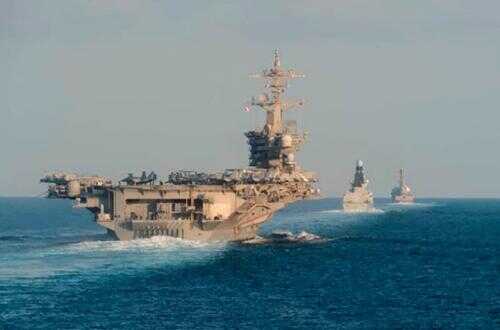
Jakarta – Escalation of conflict in the Middle East following military strikes by the United States and Israel against Iran has begun to clog the arteries of global trade. Shipping disruptions in the Strait of Hormuz now trigger concerns about energy supply stability and rising global logistics costs.
According to a Bloomberg report from Sunday, 1 March 2026, several tanker and container ship operators have reportedly halted operations or diverted their fleets from the strategic waterway. Iranian state media described the waters as “practically closed,” although Tehran authorities have not issued an official statement. Ship crews in the area report receiving radio warnings regarding maritime safety risks in the region.
The Strait of Hormuz is a vital passage serving approximately one-fifth of the world’s daily crude oil and liquefied natural gas (LNG) supplies.
This sentiment immediately triggered a negative market response. West Texas Intermediate (WTI) crude oil prices surged more than 8 percent during trading on Saturday evening London time. Market participants now anticipate high volatility when trading opens at the beginning of next week.
Not only the energy sector, but the container shipping industry has also been significantly impacted. German shipping giant Hapag-Lloyd AG confirmed a temporary suspension of shipping through Hormuz. Similar action was taken by Nippon Yusen KK, which instructed its fleet to avoid the route until conditions became more conducive.
“The company has temporarily suspended shipping through Hormuz,” stated Hapag-Lloyd management in an official statement on Sunday.
This situation has caused vessel congestion on both sides of the strait. Some ship owners are even beginning to consider activating war clauses in shipping contracts to cancel deliveries. Should the blockade continue, the market faces concerns over vessel space shortages and freight rate increases.
This potential increase in logistics costs is predicted to drive up import prices, ranging from industrial raw materials to consumer goods. On the other hand, delays in LNG shipments from Qatar further add pressure to global energy price structures in the near term.