
Strait of Hormuz Disruption Could Pressurise Manufacturing and the Trade Balance
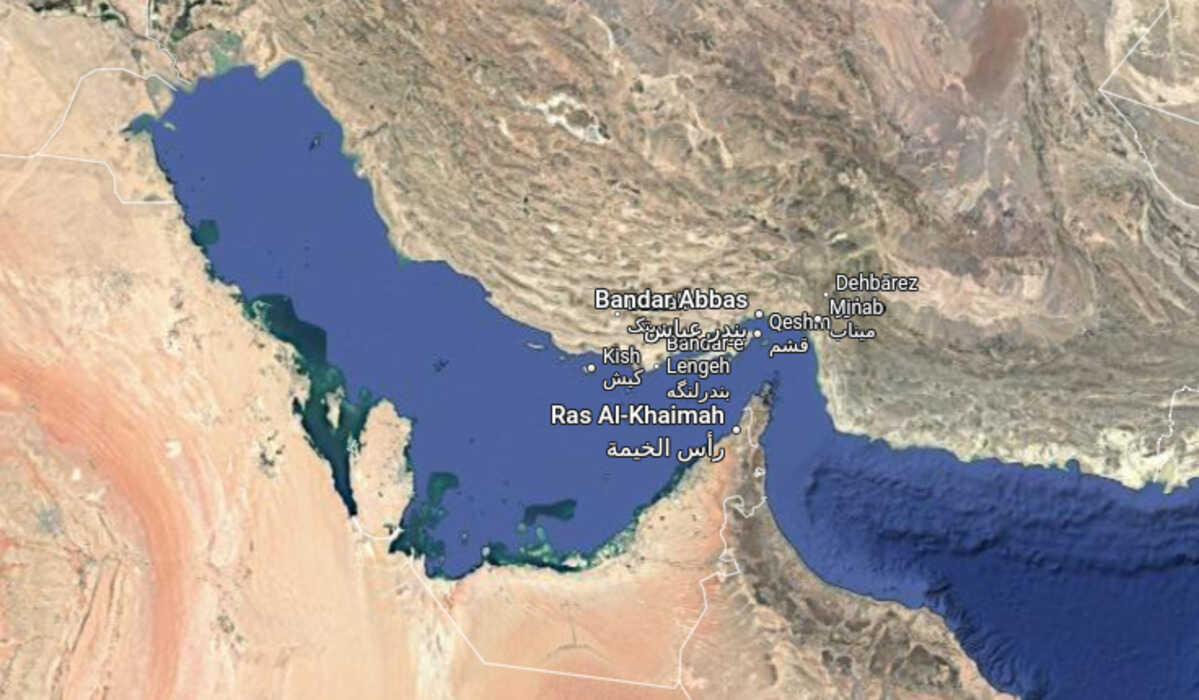
Indonesia will redirect part of its crude oil imports to the United States. Josua Pardede, Chief Economist at Permata Bank, said that a closure or disruption of traffic through the Strait of Hormuz constitutes a shock that rapidly transmits to the global petrochemical supply chain. The route is a key hub for energy shipments and their downstream products; thus, when traffic stalls, the risk is not only physical shortages but also surges in logistics and insurance costs and delays in cargo arrivals.
According to Josua, large shipping operators have delayed voyages through the Strait of Hormuz, and shipping data show many tankers stranded around the strait.
“This condition increases the likelihood of crude oil prices rising to high levels if the disruption is prolonged, including a scenario of prices breaching USD 100 per barrel in the simulations of disruptions along that route. Energy price increases ultimately reinforce cost pressures on production and imports, especially for energy-importing countries like Indonesia,” Josua said when contacted on Wednesday, 4 March.
From a policy perspective, he says the government’s focus should be twofold: safeguard short-term production continuity and reduce dependence on a single route in the medium term. In the short term, the government should activate emergency responses for the supply chain to map petrochemical feedstocks, stock positions, and the most vulnerable downstream sectors. Priority supply should be given to industries that have wide spillovers to economic activity, such as food packaging, pharmaceuticals, consumer goods, automotive, and electronics.
At the same time, trade policy should be made more flexible temporarily, including speeding up licensing and customs for priority feedstocks, widening import sources, and facilitating rerouting of shipments where possible.
“Because in crises the biggest costs tend to shift to insurance and freight, support for trade finance and shipment risk guarantees becomes important so that businesses do not stall due to risk premium spikes,” he said.
He added that with guarantees or shipping hedges, the recovery of distribution flows could still take weeks.
Josua explained that disruption to the distribution of petrochemical feedstocks could affect the growth of the national manufacturing industry through two main channels. First, the quantity channel, i.e., delays in feedstocks such as naphtha, liquefied petroleum gas, or intermediates that can force factories to reduce operating rates and suppress output. Second, the price channel, where higher feedstock costs, freight charges, and risk premia suppress margins and push price adjustments.
“The impact tends to be felt more quickly in industries that are plastics- and chemical-intensive, though other sectors are also affected through higher packaging, logistics, and component costs,” Pardede said.
If disruption is short and inventories are adequate, the impact is more about cost pressures and production delays. But if it persists, it could curb manufacturing investment and weaken the growth of the processing sector.
In terms of the trade balance, the fastest impact usually appears through an increase in oil imports and shipping costs. He cites domestic analyses showing that a 10 per cent rise in crude oil prices could reduce the current account balance by about 0.12 per cent of GDP. Additionally, disruptions to shipping routes could raise freight costs by about 0.5 per cent of GDP on an annual basis.
“For imports of petrochemical feedstocks, Hormuz disruption could raise import values due to higher prices, longer routes, and substitutions from farther sources,” he added.
At the same time, if domestic petrochemical production declines, imports of intermediates and finished goods could rise. This creates a double pressure on the trade balance: imports rise while exports based on manufacturing and petrochemicals risk weakening.
He warned that external pressures can easily translate into exchange-rate pressures and macro stability. War that dampens global risk appetite, pushes up oil prices, and widens the trade deficit will raise demand for foreign exchange. In such a scenario, the central bank tends to need to be more active in maintaining the stability of the foreign exchange and financial markets.
Therefore, according to Josua, mitigating the petrochemical supply chain should be viewed as an integrated policy package that includes securing physical and logistical supply, strengthening trade finance and risk protection, and coordinating macro-stability policies so disruptions in the real sector do not develop into broader external balance and rupiah exchange-rate pressures.
Through the 1 Green Earth Campaign, Permata Bank integrates healthy living through walking or running while realising its environmental concern. Permata Bank, together with Kota Baru Parahyangan developers, inaugurated strategic collaboration in supporting sustainable development through the Green Mortgage product. The presence of younger generations with high technological literacy is seen as a determinant factor in the competitiveness of the national industry.
Transforming the manufacturing sector, particularly labour-intensive manufacturing, is a key to accelerating Indonesia’s economic growth in 2026. There are 1,236 industrial companies that completed construction in 2025 and are ready to begin production for the first time in 2026. At the start of 2026, Indonesia’s manufacturing sector performance strengthened, as shown by the PMI Manufacturing remaining expansionary and rising to 52.6 in January 2026. China is targeting growth of 4.5-5% in 2026, with a focus shifting to growth quality and domestic stability to avoid long-term stagnation akin to Japan.