
Strait of Hormuz Disruption: Beware of Subsidy Burdens and LNG Imports
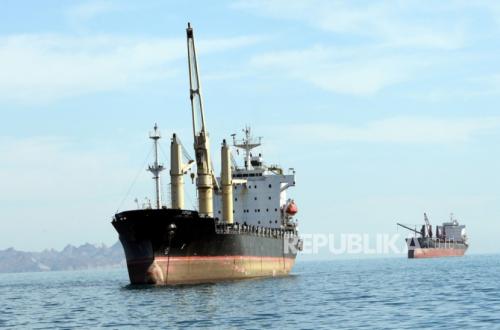
REPUBLIKA.CO.ID, JAKARTA — The closure of the Strait of Hormuz has triggered fears of a global energy crisis impacting numerous countries. Indonesia is assessed as not yet directly affected in terms of supply, but energy price pressures could burden national subsidies and energy imports.
Energy Economics Observer from Gadjah Mada University, Fahmy Radhi, stated that nearly all countries will be impacted because the Strait of Hormuz is the main route for global oil distribution. Disruptions in that route directly affect global energy stability.
“Even the Philippines has declared an energy crisis within one year. This will be followed by Thailand and several other countries,” Fahmy told Republika on Thursday (26/3/2026).
Fahmy explained that, besides distribution disruptions, the most immediate impact felt is the surge in global oil prices, which once exceeded 100 US dollars per barrel and reached around 115 US dollars per barrel before correcting. This price increase serves as an early signal of global economic pressure.
For Indonesia, Fahmy said, energy supply remains relatively secure in the short term. National energy reserves are estimated to suffice for about 21 days, while domestic oil production is still around 600,000 barrels per day.
From that production, Fahmy continued, domestic refineries can produce about 400,000 barrels of fuel per day. However, risks remain open if the conflict drags on longer.
“In terms of supply, up to now, it is relatively unaffected. Unless the war prolongs, it might eventually be impacted,” Fahmy said.
Although supply remains stable, Fahmy warns that the greatest pressure comes from the fiscal side. High global oil prices will directly increase the energy subsidy burden in the state budget because the assumed domestic oil price is much lower.
“In the state budget assumptions, the oil price is set much lower, so when world prices surge, the subsidy burden automatically increases,” Fahmy said.
Fahmy assesses that this condition could trigger inflation due to rising energy costs and more expensive energy imports. Foreign exchange needs will also increase along with the requirements for paying oil imports in US dollars.
“Because we need a lot of US dollars to pay for those prices. This adds a considerable burden. That’s the impact,” Fahmy said.
Besides oil, Fahmy highlights risks to national LPG supply. Indonesia still imports about 70 percent of its LPG needs, most of which comes from the Middle East and is shipped through the Strait of Hormuz. “If that route is disrupted, LPG supply to Indonesia could potentially decrease,” Fahmy said.
Fahmy added that Indonesia actually has substantial natural gas reserves that can be utilised as a substitute for LPG through pipeline networks, city gas networks, or processing into LNG.
“So once again, even for gas, Indonesia is not yet impacted in terms of supply. But in terms of price, it will certainly cost more money,” Fahmy said.