
Strait of Hormuz Crisis Spurs US to Review Russian Oil Sanctions
REPUBLIKA.CO.ID, JAKARTA — Amid waves of geopolitical tension that are once again rocking the global energy markets, crude oil is once again more than a commodity; it has become a symbol of the push and pull between sanctions, war, and energy needs that cannot be postponed.
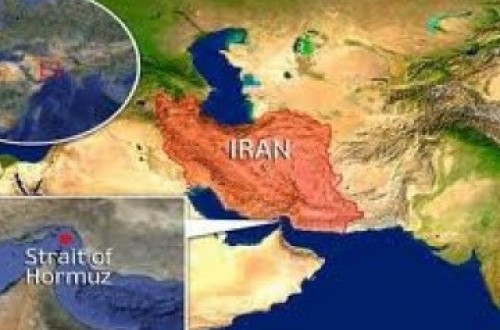
In Washington, the US government has begun weighing steps that once seemed taboo: reopening some of the flows of Russian oil that have been frozen by sanctions. The consideration is not without reason. The global energy market is under serious pressure, driven by the intensifying situation in the Middle East and the disruption of vital shipping routes through the Strait of Hormuz.
United States Treasury Secretary, Scott Bessent, in an interview with Fox News on Friday (6 March), hinted at the possibility. He said the government is considering partial rescission of sanctions on shipments of Russian crude in order to ease global supply shortages, at least temporarily.
An initial step has already been seen. Washington previously granted a temporary 30-day exemption that allowed oil refineries in India to resume purchases of Russian oil. The policy was implemented to preserve stability of the world energy supply which was beginning to show signs of shortage.
“India has long been a very cooperative party,” said Bessent. He explained that the United States had previously asked India to halt purchases of sanctioned Russian oil in the autumn, and New Delhi complied.
At that time, India even planned to replace those supplies with crude oil from the United States. However, the fragile state of the energy market led the US Department of the Treasury to take a different decision: granting a temporary licence for India to resume importing Russian oil.
According to Bessent, the US government is now reviewing the possibility of reopening more Russian oil shipments that have been trapped within the sanctions regime.
“There are hundreds of millions of barrels of sanctioned crude oil at sea,” he said. “By lifting the sanctions, the Treasury Department could create supply.”
This statement reflects a reality that is hard to avoid: when geopolitics and energy needs meet, idealism often has to negotiate with market realities.
Moreover, tensions in the Middle East continue to worsen. The shipping route through the Strait of Hormuz, the lifeblood of global energy trade, has slowed dramatically after a sequence of attacks between the United States and Israel on Iran and retaliatory attacks from Tehran. This uncertainty pushes oil prices higher and raises fresh concerns about the stability of global energy supply.
Yet on the other hand, pressure on Russia has not truly eased. In London, the British government took a contrary step by announcing nearly 300 new sanctions against Moscow, described as their largest sanctions package in several years.