
Strait of Hormuz Crisis: Asia Prepares Energy Shield as China Emerges Strongest
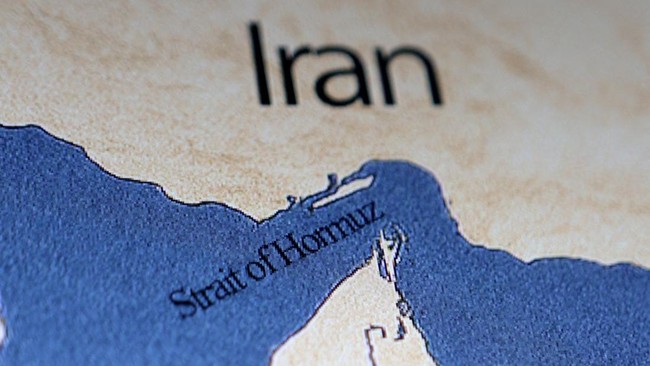
A conflict with Iran triggering near-total closure of the Strait of Hormuz has begun to shake Asian energy markets and economies. Approximately 20% of global crude oil and liquefied natural gas supplies that ordinarily transit through this passage are now obstructed, triggering energy price spikes and pressure on financial markets across the Indo-Pacific region.
According to The Diplomat, the impact has been immediately felt in Asian stock markets, which have fallen since early in the week. Brent crude oil prices have even breached US$100 per barrel for the first time since Russia’s invasion of Ukraine in 2022.
However, the impact of this energy crisis is uneven across Asia. Four major economies—China, India, Japan, and South Korea—account for approximately 69% of crude oil demand that normally transits the Strait of Hormuz, yet their capacity to withstand supply shocks varies dramatically.
China is assessed to occupy a relatively stronger position. The country maintains approximately 1.2 billion barrels of crude oil reserves on land, sufficient to cover roughly 108 days of imports at current refinery capacity. Additionally, oil and gas account for only around 4% of China’s electricity generation, far lower than the 40-50% seen across much of the rest of Asia.
By contrast, Japan and South Korea face greater risks. Japan sources more than 90% of its crude oil from the Middle East, with approximately 70% transiting the Strait of Hormuz. South Korea similarly purchases around 70% of its oil from the same region. Although both countries maintain strategic oil reserves exceeding 200 days, liquefied natural gas supply represents a critical vulnerability.
South Korea’s liquefied natural gas stockpiles at import terminals cover only approximately nine days of consumption, whilst Japan is estimated to hold reserves for two to four weeks. Because liquefied natural gas lacks global strategic reserves comparable to crude oil, distribution disruptions can trigger energy crises more rapidly.
The South Korean government has announced fuel price caps for the first time in nearly three decades and prepared a stabilisation fund of 100 trillion won (approximately 1.154 trillion rupiah). Japan is also considering releasing strategic oil reserves to stabilise domestic supply.
Southeast Asian nations also face impacts, though at varying degrees. Singapore and Thailand are heavily dependent on liquefied natural gas from Qatar, each accounting for approximately 42% of total imports. Thailand has even halted crude oil exports since early March. Meanwhile, the Philippines, sourcing almost all its oil from the Middle East, has implemented energy conservation measures across the government sector.
Amidst this turmoil, Russia stands to gain significantly. Russian oil transiting via the Baltic Sea, Black Sea, and Pacific routes does not pass through the Strait of Hormuz. Russian Deputy Prime Minister Alexander Novak stated Moscow is “prepared to increase” oil supplies to China and India, which now face supply disruptions from the Persian Gulf.
Rising oil prices are also boosting Russian energy revenues, which had declined over the preceding four years. These additional revenues are assessed to help Moscow finance its war in Ukraine.
Nevertheless, some officials believe this crisis will not persist excessively long. US Energy Secretary Chris Wright estimates the disruption at the Strait of Hormuz will last only “a few weeks, certainly not a few months.”