
Strait of Hormuz Closure: What Are Indonesia's Import and Export Values?
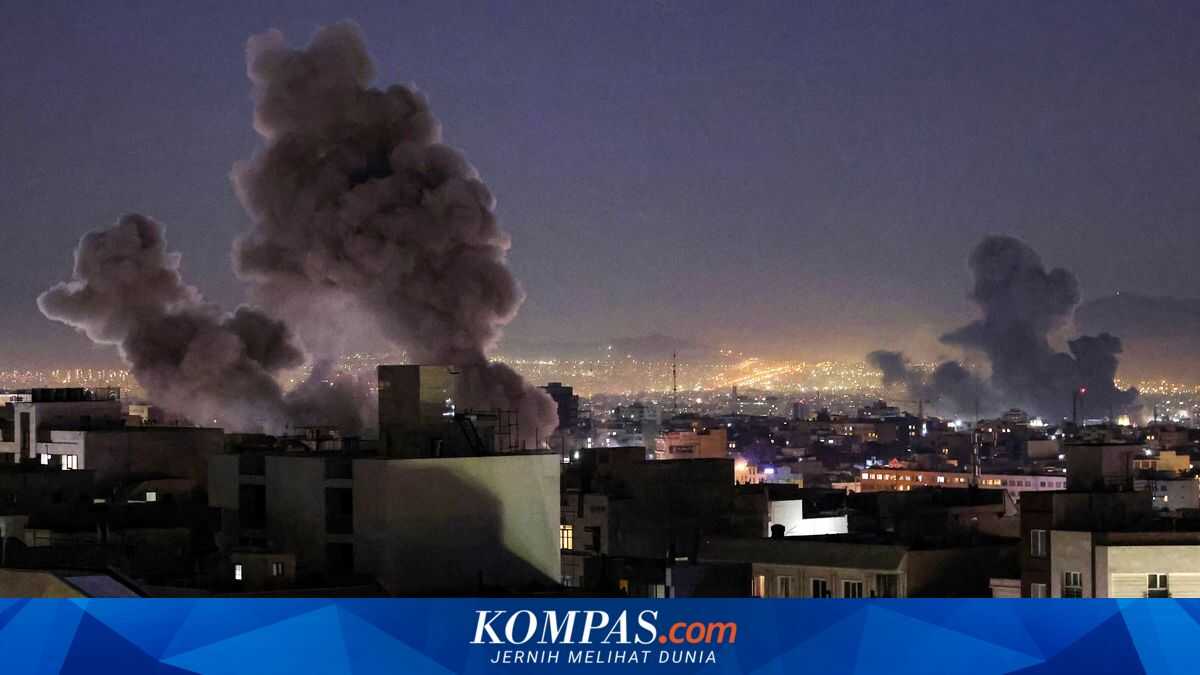
JAKARTA — The escalating conflict between the United States, Israel, and Iran poses a potential threat to Indonesia’s export and import activities. The Strait of Hormuz is one of the world’s most strategically important trade routes, serving as the primary gateway for maritime commerce in the Gulf region.
Iran has closed the strait following combined attacks by the United States and Israel. “The extent to which trade may be disrupted certainly requires further analysis. However, as a reference point, here are Indonesia’s exports and imports from countries bordering the Strait of Hormuz—Iran, Oman, and the United Arab Emirates—during 2025,” stated an official during a press conference by the Central Statistics Agency (BPS) on Monday, 2 March 2026.
Regarding non-oil imports, Indonesia recorded imports from Iran totalling USD 8.4 million, primarily fruits (HS 08) valued at USD 5.9 million, iron and steel at USD 0.8 million, and machinery and mechanical equipment (HS 84) at USD 0.7 million.
On the export side, Indonesia exported non-oil products to Iran valued at USD 249.1 million, comprising fruits at USD 86.4 million, vehicles and their parts (HS 87) at USD 34.1 million, and animal and vegetable fats and oils at USD 22 million.
Exports to Oman reached USD 428.8 million, dominated by animal and vegetable fats and oils valued at USD 227.7 million, vehicles and spare parts at USD 64.2 million, and minerals (HS 27) at USD 48.1 million.
Indonesia’s non-oil exports to the United Arab Emirates recorded the highest value at USD 4 billion, with principal commodities being precious metals and jewellery worth USD 183.6 million, animal and vegetable fats and oils at USD 510.3 million, and vehicles and spare parts at USD 363.5 million.
The conflict between Israel and Iran, which erupted on Saturday, 28 February 2026, threatens not only regional stability but also poses serious implications for global energy trade. This escalation underscores the strategic importance of the Strait of Hormuz as a vital distribution route for oil and gas worldwide.
Geographically, the Strait of Hormuz connects the Persian Gulf with the Indian Ocean. This narrow passage, with depths of less than 60 metres, is surrounded by several islands controlled by Iran, including Hormuz, Qeshm, and Larak. Since 1971, Iran has maintained control over the strait, although several other islands remain disputed with the United Arab Emirates.