
Strait of Hormuz Closure: Market Analyst Explains Global Economic Impact
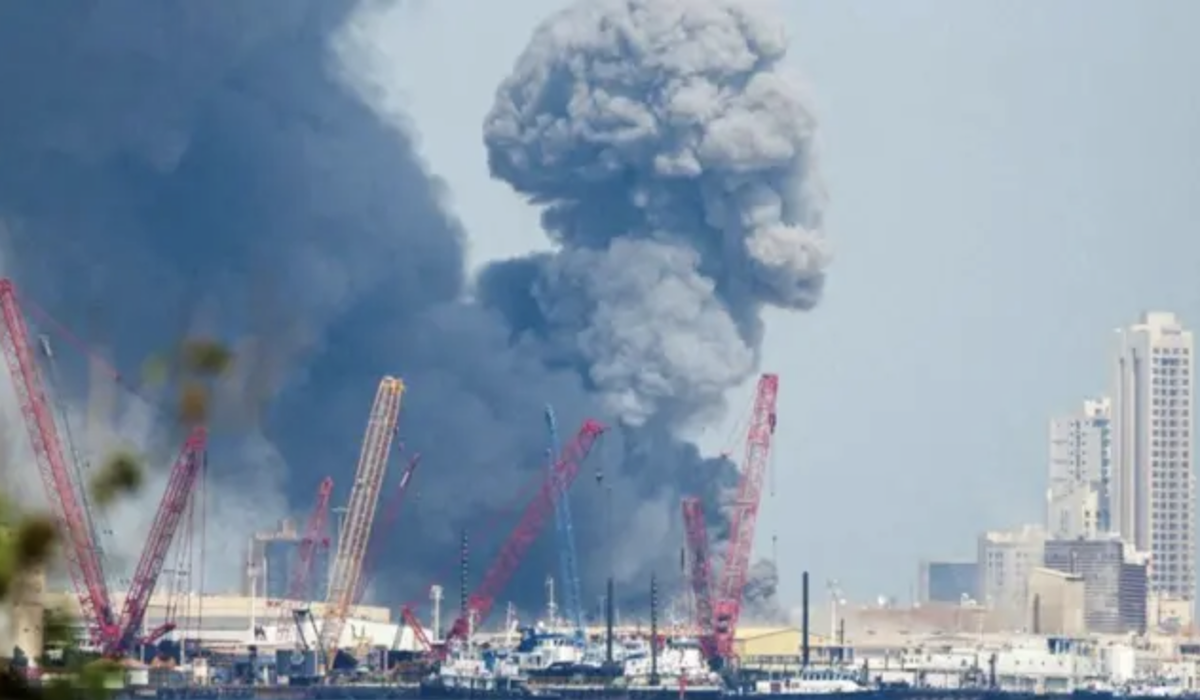
The escalating conflict between Iran, Israel and the United States has moved beyond political discourse into the realm of global economics. Capital markets analyst and founder of Republik Investor, Hendra Wardana, has cautioned that mounting tensions pose a significant risk of disrupting global energy supplies, with far-reaching consequences for international markets.
“This heated conflict is not merely a political matter. It has substantially increased global economic uncertainty,” Wardana stated on Sunday, 1 March.
He explained that markets are responding to these tensions with a pronounced risk-off pattern, in which global investors tend to avoid risky assets and seek refuge in safe-haven investments.
“Gold prices have strengthened by over 1%, whilst crude oil prices for WTI and Brent have risen nearly 3%. These increases are driven by concerns regarding disruptions to energy supplies from the Middle East,” Wardana noted.
Wardana highlighted the Strait of Hormuz as a critical focal point of concern—a vital shipping corridor for global oil distribution. Approximately 30% of global oil trade passes through this region.
“Should conflict escalation disrupt tanker traffic through the Strait of Hormuz, crude oil prices could surge significantly higher as markets recalculate supply-risk scenarios,” he explained.
Such disruption to this critical passage could trigger a sharp rise in oil prices, affecting global inflation, exchange rates and monetary policy decisions across numerous countries.
“The impacts could extend to global inflation, exchange rates and interest rate policy decisions in various nations. Oil supply disruptions may trigger tighter economic policy adjustments,” Wardana concluded.