
Strait of Hormuz Closure: Logistics Costs in Indonesia Set to Soar
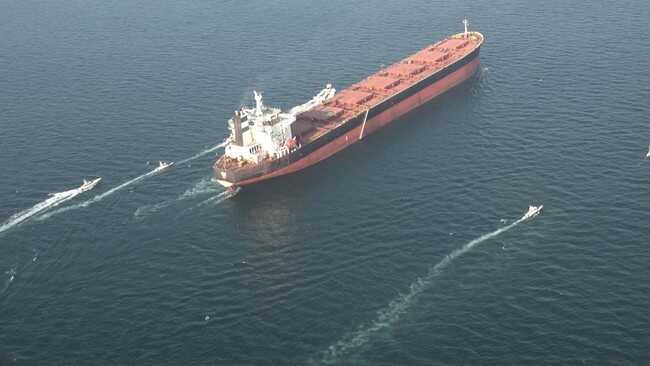
Jakarta — Conflict in the Middle East between Iran and Israel-America has raised fresh concerns about the stability of global logistics costs. If the world’s main energy trade route experiences disruption, the impact is expected to extend beyond the oil market to distribution costs in Indonesia.
Indonesia, which remains heavily dependent on road transport for goods distribution, faces the risk of increased logistics costs if fuel prices rise. This condition could ultimately drive up consumer prices for goods.
Setijadi, founder and CEO of Supply Chain Indonesia, stated that potential disruptions to the global energy corridor could trigger cascading effects on international energy prices.
“The escalation of conflict in the Middle East and the potential for disruption at the Strait of Hormuz could increase national distribution costs and drive up domestic goods prices,” Setijadi said in a statement on Monday, 2 February 2026.
The sea route plays a critical role in global energy trade. The large portion of world oil and gas trade passing through this region means any disruption could directly trigger a surge in international energy prices.
“The Strait of Hormuz carries approximately 20 per cent of global oil consumption and between 20 and 25 per cent of global LNG trade. Should disruption occur on this route, international energy prices could face upward pressure,” he said.
Rising global energy prices are typically transmitted domestically through fuel prices for transport, particularly diesel used by logistics vehicles.
“The impact on Indonesia occurs through transmission of global Brent oil prices to domestic diesel prices. Diesel is a major component of road transport operational costs, which remain the backbone of the national logistics system,” he explained.
A surge in global energy costs could also directly affect operating expenses in the freight transport sector. Small changes in fuel prices can have considerable impact on distribution costs.
“Assuming fuel costs account for approximately 35 to 40 per cent of total truck operating costs, a 10 per cent increase in diesel prices could drive trucking fees up by around 3.5 to 4 per cent,” Setijadi said.
Such increases in distribution costs could then ripple through to goods prices in the market. This is particularly felt on products where logistics costs are relatively substantial compared to selling prices.
“If diesel prices rise 20 per cent, truck charges could increase by 7 to 8 per cent. In a more severe scenario where diesel prices surge 30 per cent, transport costs could spike by 10.5 to 12 per cent,” he said.
Under such conditions, upward price pressure at the consumer level is considered unavoidable as distribution costs form an important component in product pricing.
“Average logistics costs in Indonesia account for around 14 per cent of product prices. If trucking charges rise 7 to 8 per cent, goods prices could be pushed up by approximately 0.5 per cent, potentially reaching 0.8 per cent if transport cost increases exceed 10 per cent,” Setijadi said.