
Strait of Hormuz Closure Disrupts Oil Supply, Impact Could Reach Household Kitchens
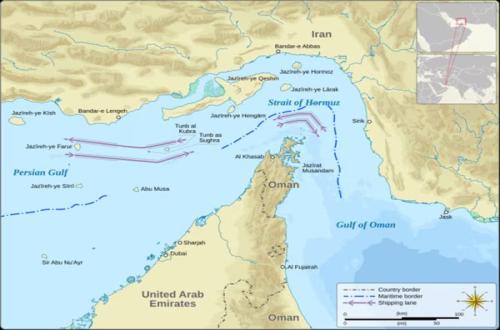
Shipping disruptions in the Strait of Hormuz following US and Israeli military strikes on Iran have triggered concerns about broader economic consequences. The strategically vital waterway currently serves as the passage for approximately one-fifth of global oil and gas supplies.
According to Bloomberg reporting from Sunday, 1 March 2026, several tanker vessels have reportedly reversed course or are waiting near the strait’s entrance. Should the disruption persist, global oil prices could experience sharp increases.
Rahma Gafmi, Professor at Airlangga University, stated that the Hormuz position is critical to global energy stability. “The Strait of Hormuz is the world’s economic chokepoint. Nearly 20 million barrels of oil per day pass through it. If it is disrupted, prices will certainly spike,” she said on Sunday, 1 March 2026.
According to her analysis, Indonesia as an oil-importing nation would face direct impact should global oil prices rise substantially. Increases in crude oil prices could enlarge the burden of fuel and electricity subsidies.
“If oil prices spike, energy subsidies could balloon. The government may need to reallocate its budget. This is a cascading effect,” Rahma said.
She added that global pressure typically accompanies rupiah depreciation. A weakened rupiah would make imported raw material prices more expensive and drive inflation.
“Imagine if the disruption lasts a long time. Energy prices rise, logistics costs increase, then essential commodity prices are pushed upward. The effect reaches household kitchens,” she said.
Beyond Hormuz, shipping along other routes in the Middle East region is also drawing attention. Security uncertainty is making market participants cautious. Oil and gold prices tend to move erratically following conflict developments.
Rahma believes the government needs to strengthen coordination on inflation control and safeguard domestic energy supply stability. Energy diversification and strengthening of strategic reserves are considered important to mitigate external shocks.
“Geopolitical situations can change rapidly. What matters is that Indonesia is prepared from fiscal, monetary, and energy supply perspectives so that global turbulence is not felt too deeply by society,” she said.