
Strait of Hormuz Closed, Ocean Freight Costs Have Risen by 50 Percent
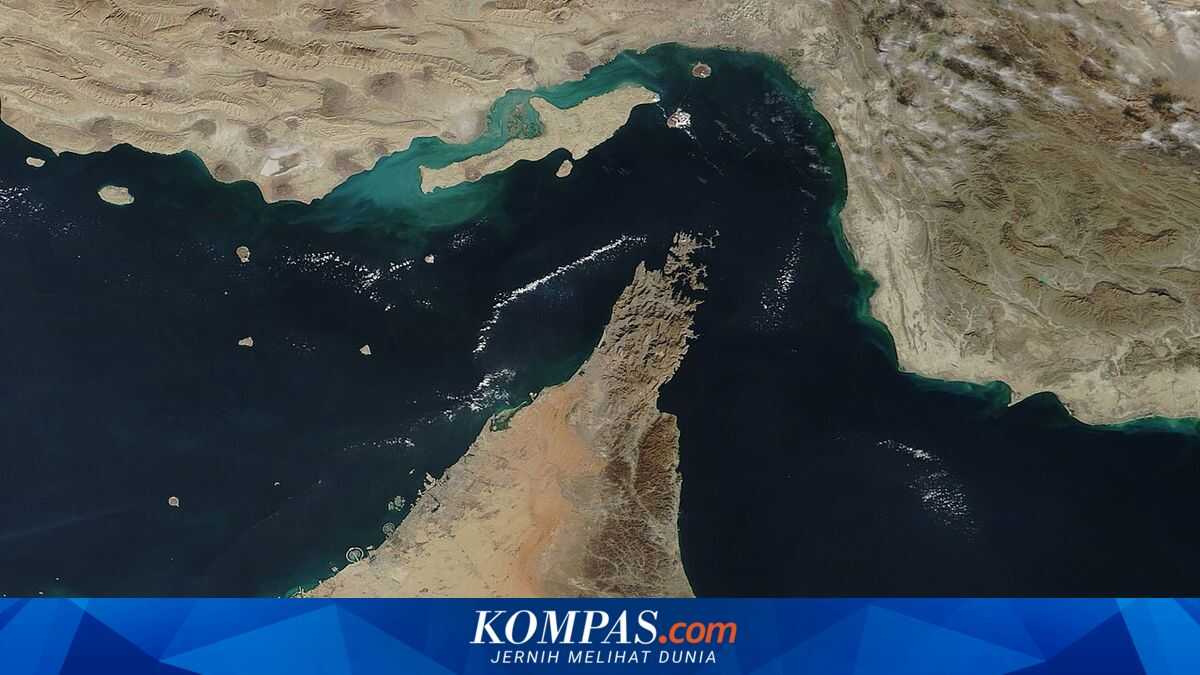
JAKARTA, Kompas.com - The Indonesian Logistics Association says international sea freight costs have jumped 50 percent due to the closure of the Strait of Hormuz. The strait is a main route for oil and gas trade in the Gulf region. The closure has triggered higher energy prices and distribution disruptions. ‘(International sea freight) logistics costs have now risen by 50 percent,’ said ALI chairman Mahendra Rianto when contacted by Kompas.com, on Thursday (5 May 2026). Mahendra gave the example of shipping costs for a 40-foot container to Europe, which are normally 4,000 United States dollars, now rising to 6,000 US dollars. ‘6,000 US dollars per container,’ he said. He attributed the rise to a surge in world oil prices stemming from the Iran–Israel–United States conflict. The government previously said fuel stock would be available for about 20 days ahead. PT Pertamina’s tanker ships were also reportedly still in the waters of the Strait of Hormuz. Mahendra estimated logistics costs could rise by as much as 100 percent if the conflict lasts longer. ‘We will see how things develop, whether there will be tanker movements that can exit the Strait of Hormuz,’ he said. He named six major exporters affected by the Strait of Hormuz closure: Saudi Arabia, Iraq, the United Arab Emirates, Kuwait, Qatar, and Iran. According to Yukki, the situation could spur energy inflation, suppress consumer spending, and affect the fiscal resilience of several countries. ‘If this conflict prolongs, there will inevitably be further weakening of economic growth in various countries due to the high energy commodity prices and rising logistics costs,’ Yukki said. The Iran–Israel–United States conflict has spilled into the Gulf region. Iran closed the Strait of Hormuz on Saturday (28 February 2026) after escalations in attacks in several Gulf states.