
Strait of Hormuz Closed, Deputy Trade Minister Urges ASEAN Countries to Collaborate on Energy and Food
JAKARTA - Deputy Minister of Trade (Wamendag) Dyah Roro Esti has urged Southeast Asian or ASEAN countries to unite amid current global uncertainties due to conflicts in the Middle East.
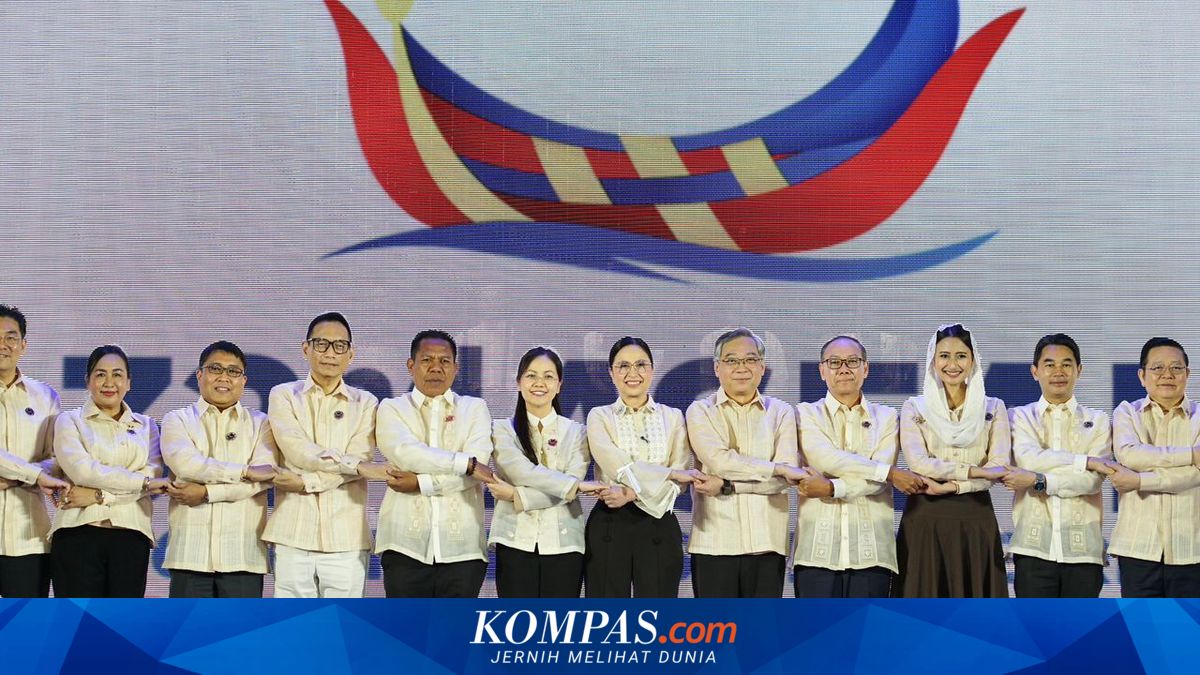
She expressed this during the ASEAN Economic Ministers (AEM) Retreat and Related Meetings 2026. The meeting discussed strengthening ASEAN economic integration up to regional economic transformation, such as the digital economy and sustainability.
Roro stated that tensions in the Middle East could impact strategic trade routes, including the potential closure of the Strait of Hormuz as one of the world’s main energy distribution routes. This situation could ultimately affect supply chain stability and international trade values.
“In the midst of geopolitical dynamics and global geo-economic fragmentation, ASEAN needs to remain united and strengthen collaboration. An approach that prioritises openness, economic integration, and regional cooperation is key to maintaining regional economic stability and growth,” Roro said, quoted from her press release on Wednesday (18/3/2025).
Furthermore, Roro emphasised that cooperation among ASEAN countries should be directed towards strengthening the region’s strategic sectors, including food and energy resilience, digital technology, and semiconductors.
“Instead of competing in providing incentives between countries, ASEAN should strengthen the division of roles and regional collaboration in developing these strategic sectors. That way, we can build a stronger and more competitive regional supply chain,” she explained.
On that occasion, Roro also stressed that Indonesia, under the direction of President Prabowo Subianto, is giving significant attention to strengthening food and energy resilience as part of strategies to address global dynamics.
“Indonesia currently has the capacity to contribute to maintaining regional food stability. We are exploring opportunities to export rice to several ASEAN countries,” said Roro.
In addition, amid global geopolitical uncertainties that could disrupt world energy supplies, Indonesia has also expressed its readiness to be part of the solution in maintaining regional energy resilience.
“In the midst of uncertain geopolitical situations, ASEAN countries certainly need to ensure where stable energy supplies can be obtained. Indonesia has resources that can contribute to supporting regional energy resilience,” she added.
According to her, ASEAN has an important role as an anchor of economic stability in the Indo-Pacific region. Therefore, maintaining unity and policy coordination among member countries is a key factor in facing global uncertainties.
“ASEAN countries must continue to demonstrate that regional cooperation is our main strength. By remaining united, ASEAN can face global challenges while capitalising on existing economic opportunities,” she concluded.