
Strait of Hormuz Becomes Hotspot Again in US-Iran Conflict
High volatility is still likely to continue until the end of May.
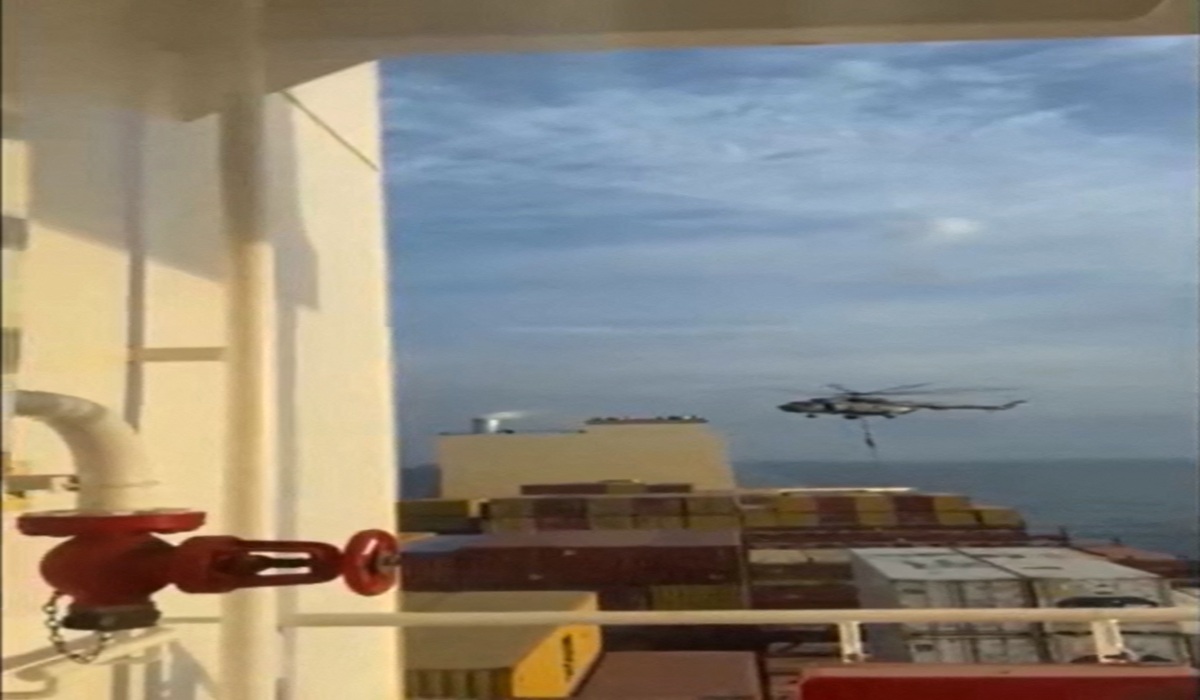
The United States (US) has announced that it has diverted dozens of commercial ships and disabled several vessels as part of enforcing a blockade on shipping to or from Iranian ports via the Strait of Hormuz.
Through an official statement on platform X, the US Central Command (CENTCOM), on Thursday (14/5), stated that the measure was taken to enforce the blockade policy imposed by President Donald Trump.
“Since the start of the blockade, CENTCOM forces have diverted 72 commercial ships and disabled 4 ships,” the CENTCOM statement said, as reported by Anadolu on Friday (15/5).
The regional situation remains in high tension since the United States and Israel launched attacks on Iran on 28 February. The attacks prompted a retaliatory response from Tehran targeting Israel and Washington’s allies in the Gulf region, while also leading to the closure of the Strait of Hormuz.
Efforts to de-escalate the conflict were attempted through a ceasefire that took effect on 8 April, mediated by Pakistan. However, follow-up talks in Islamabad failed to produce a permanent agreement.
Nevertheless, Trump later decided to extend the ceasefire indefinitely. At the same time, Washington continues to maintain the blockade on ships transiting to or from Iranian ports via that strategic sea route.
The Strait of Hormuz is one of the world’s most vital energy shipping lanes, connecting the Persian Gulf with the Gulf of Oman and international markets.
Disruptions in the area have triggered global concerns regarding the stability of oil, fuel, and gas supplies due to the closure of the Strait of Hormuz. Since the conflict erupted, international energy markets have been closely monitoring developments in that strategic trade route due to its potential impact on global energy prices.