
Stories of Women Workers in the Capital
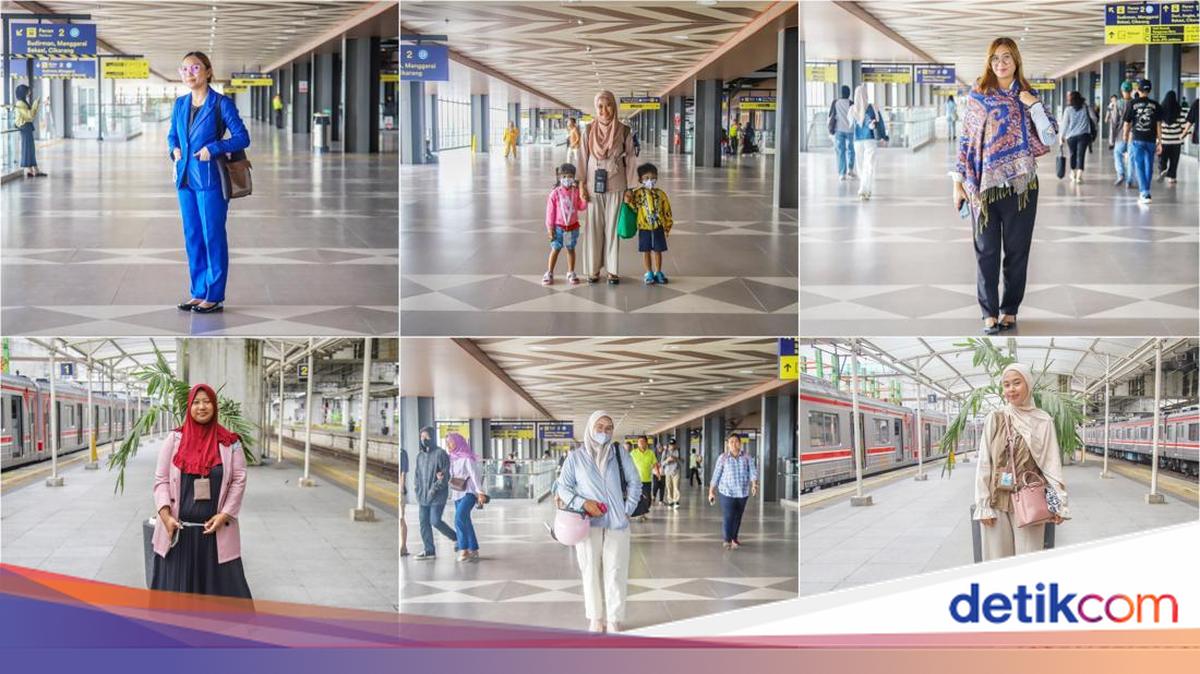
The morning sky is not yet fully bright when thousands of women begin moving towards the Capital. From suburban stations in Jakarta, their steps hasten through the chill of dawn. Some carry work bags, others bring goods to sell, while some clutch thermoses of herbal jamu and unyielding hopes. They are the working women of the Capital, figures who wager their energy and time each day for their families, futures, and dreams they aspire to achieve.
Amid the ceaseless hustle and bustle of Jakarta, which never truly sleeps, women play a major role in the city’s vital pulse. They are present behind office desks, in traditional markets, in train carriages, on pavements, and in the corners of the Capital’s streets. Some work as office employees with stacks of targets and deadlines, while others are small traders, labourers, and various other professions.
All these jobs are undertaken with the same determination: for the families waiting at home. Many Indonesian women now choose to become career women for various reasons. Some want to support the family economy, sustain household needs, help their husbands, fund their children’s education, or simply ensure the kitchen stays lit every day.
However, behind all that, there are also women who work to pursue aspirations, prove themselves, and fight for dreams long kept in silence. They believe that women too have space to grow, create, and determine their own futures.
Data from the Central Statistics Agency of DKI Jakarta records that the number of people working in Jakarta reaches around 5.18 million by the end of 2025. Of that number, millions are women who form an important part of the Capital’s economic wheel. They fill KRL carriages every morning, walk quickly through transit corridors, and jostle at stops to arrive on time at work. Behind the often weary faces bowed during the journey, stories of struggle rarely heard are hidden.
This photo story serves as a portrait of the resilience of working women in the Capital. About how they endure amid the harshness of urban life full of pressures and risks. About women who willingly rise before sunrise, leave sleeping children, and return when night deepens. They endure long, exhausting routines but still hold smiles and hopes for the next day.
This story also serves as a reflection on the tragedy of the KAI Commuter Line train accident with the KA Argo Bromo Anggrek at Bekasi Timur Station a few days ago. An event that left deep wounds for many families. As many as 16 victims died in the accident, all of whom were working women struggling to earn a living in the Capital. They are not merely numbers in the news, but mothers, daughters, wives, and family breadwinners who set off each day with the hope of returning home.
That tragedy reveals a bitter reality behind the crowded public transportation in Jakarta: thousands of women risk their safety for a better life. The trains they board every day are not just transport, but bridges to hope. In those packed carriages, there are women chasing job promotions, paying house instalments, saving for children’s education, or sending money to parents in their hometowns.
Through this series of photos, the lives of working women in the Capital are depicted not just as routine, but as a form of courageous struggle. The camera captures tired yet strong gazes, hands that keep working without surrender, and footsteps that continue despite life’s harsh blows. From office workers busy staring at computer screens, traders offering goods amid the street heat, to jamu sellers traversing city corners with baskets on their shoulders, all have stories of sacrifice.
These women may not always be visible on the main stage, but they are the ones keeping life moving. They are the faces that bring Jakarta to life every day. Their resilience stems from love, responsibility, and hopes they continue to nurture even when the world often feels so heavy.
For, behind the roar of train tracks and the din of the Capital’s streets, there are women’s prayers walking alongside their steps. They depart carrying dreams, return carrying hopes, then rise again even when life is not always kind. And when night covers Jakarta’s sky, their footsteps remain as stories of women’s endurance that never truly fade.