
Sterile Injectable Drug Plant Capacity Surges as Production Line Expansions Accelerated
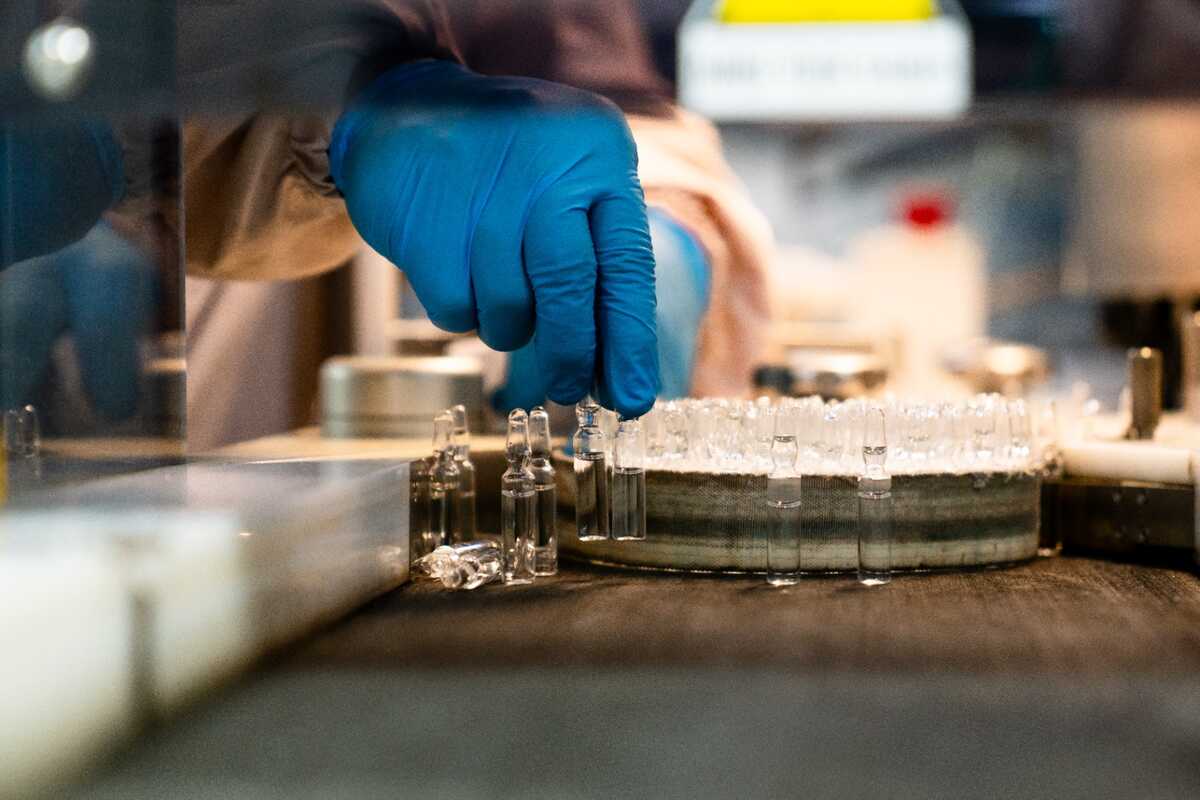
PT Ethica Industri Farmasi (PT EIF), the producer of sterile injectable preparations under PT Pyridam Farma Tbk (PYFA), has completed the expansion of its production capacity for Line 3, which is due to be inaugurated in April 2026. At present, Line 3 capacity is already at full capacity, prompting the company to accelerate the development of Lines 4, 5 and 6.
Construction of Line 3 began in September 2024 and was completed in about 1.5 years. The acceleration was undertaken to respond to increasing market demand, particularly from hospitals, for injectable products and sterile dosage forms. The introduction of Line 3 is targeted to increase productivity by up to three times and strengthen the company’s sterile dosage form production capacity.
In line with the capacity expansion, PT EIF is progressing with the development of Line 4 and Line 5. Line 4 facilities will adopt the latest technology in sterile drug production, which will also be applied to Line 5 to ensure product quality and safety is maintained.
All of these facility expansions are designed with modern production technology and comply with Indonesia’s current Good Manufacturing Practices (cGMP) as well as international standards, PIC/S, including EU GMP requirements and the Australian Therapeutic Goods Administration (TGA). These standards are important prerequisites for export market penetration and strengthening global competitiveness.
Following the completion of Lines 4 and 5, the company will continue with the construction of Line 6 as part of its sustainable manufacturing capacity development strategy.
The expansion comes amid projections of significant growth in the global sterile injectable market. The global sterile injectable drug market is expected to reach around US$4.9 billion by 2026 and could rise to nearly US$9.9 billion by 2035, with an annual growth rate of about 8%.
The Asia-Pacific region is expected to be among the major growth drivers, supported by increases in healthcare spending, expansion of medical service facilities, and a growing need for injectable products and sterile dosage forms.
These trends underscore the importance of having reliable, high-quality sterile drug manufacturing facilities that meet international standards to sustain regional supply chains.
Bejo Stefanus, Director of PYFA, emphasised that developing these production facilities is part of the company’s long-term strategy. ‘The completion of Line 3, which will soon be inaugurated, marks an important step in raising our productivity. The deployment of technology on Lines 4 and 5 is being undertaken to enhance product quality and safety. Looking ahead, the construction of Line 6 will form part of the company’s commitment to strengthening manufacturing capacity,’ he said.
These additions and the development of production lines are believed to strengthen PT EIF’s capabilities while boosting PYFA’s competitiveness in the sterile pharmaceutical industry. The move also underscores the company’s commitment to becoming a leading player in the sterile injectables industry at regional and global levels.