
State Recognition and the Future of Pesantren
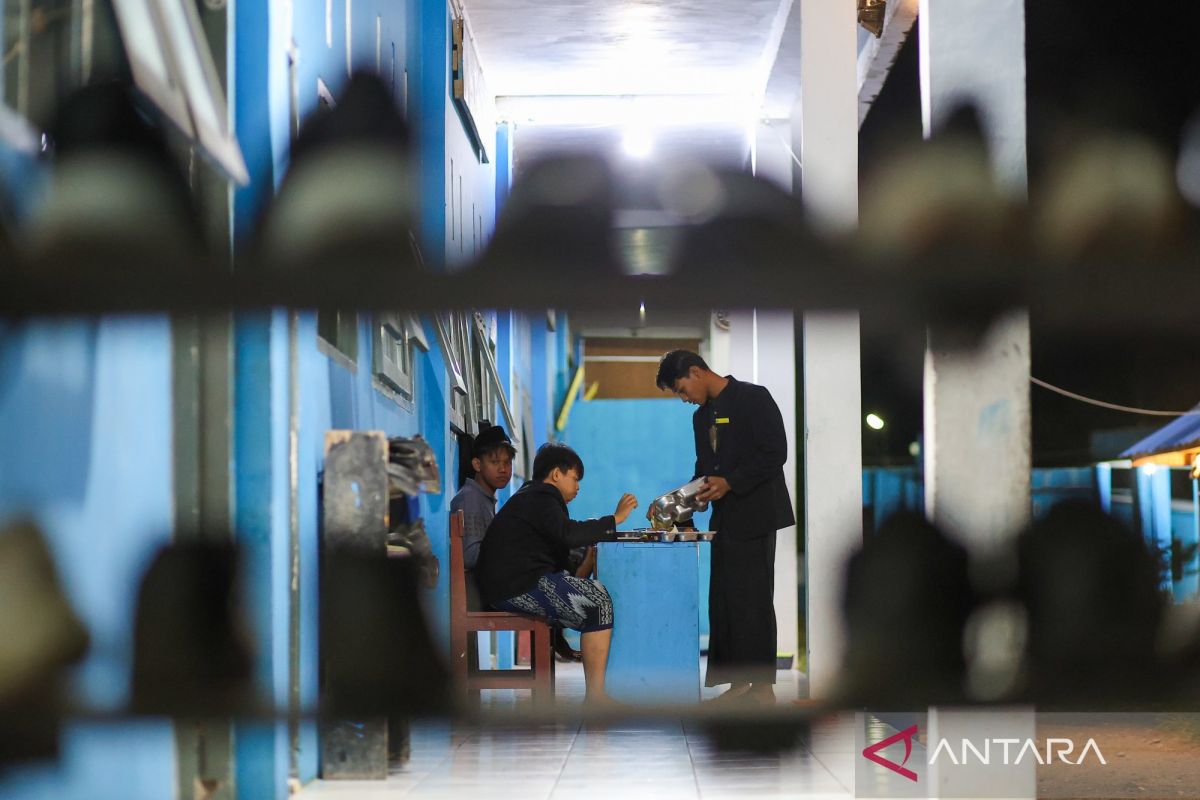
Of course, the future of pesantren is not solely determined by state policies, but also by their ability to preserve their identity while adapting to the changes of the times.
Jakarta (ANTARA) - The institutional transformation of the Pesantren Directorate into the Directorate General of Pesantren under the Ministry of Religious Affairs provides a breath of fresh air, particularly for the ecosystem of education based on Islamic knowledge.
The establishment of the Directorate General of Pesantren is not merely an elevation in rank, but a manifestation of the state’s increased capacity, which has not been fully evident until now. Hitherto, pesantren have often been viewed as “second-class” within the national education system.
Law No. 18 of 2019 on Pesantren serves as a turning point in the state’s recognition of the sovereignty of pesantren, which are now placed on equal footing within the national education system.
Not only that, the state explicitly acknowledges pesantren not merely as educational institutions, but also as institutions for da’wah and community empowerment.
These functions of education, da’wah, and community empowerment are not just sociological descriptions that have long been in practice on the ground. This recognition now becomes a legal mandate that demands concrete institutional responses from the state.
The role of pesantren education itself has been proven over centuries. Even long before this nation was established, pesantren have educated santri and produced ulama, intellectuals, and national leaders. Indonesia’s struggle for independence cannot be separated from the contributions of the pesantren community.
The state may claim its contributions to pesantren through regulations and subsidies, but in truth, pesantren have grown due to their own internal resilience, rooted in the independence of kiai, the loyalty of santri, and the trust of the community.