
State-Owned Enterprise Jasa Tirta Explains Reasons for Paid Access Road to Lahor Dam
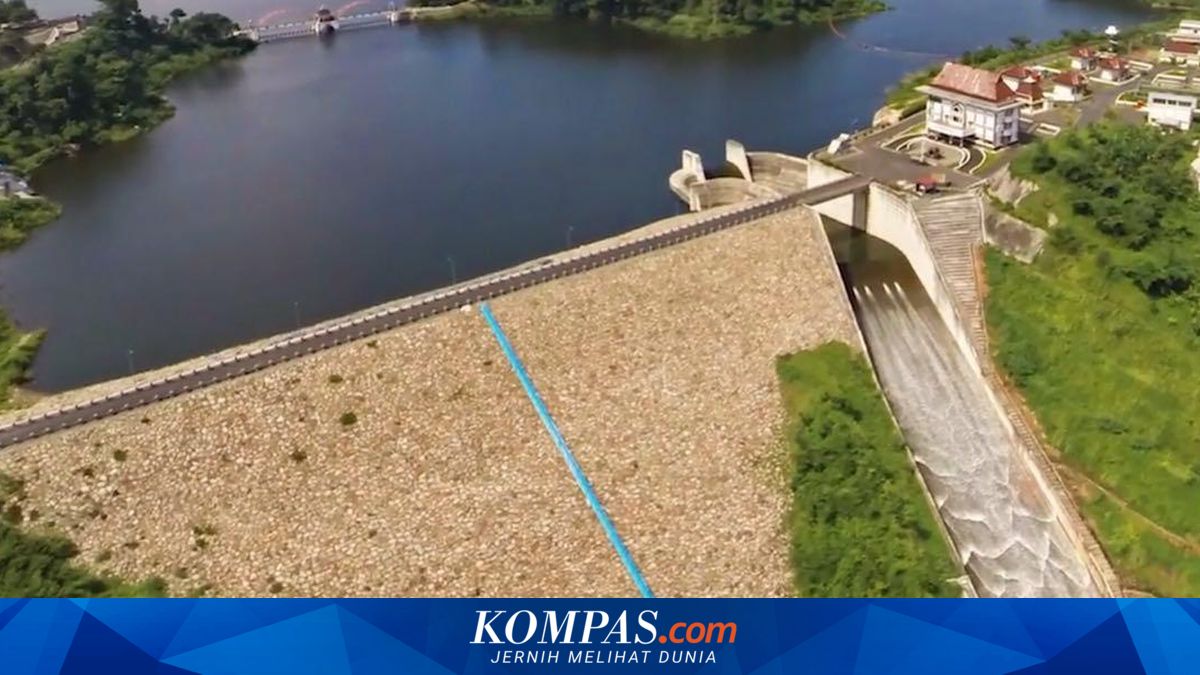
State-owned enterprise (SOE) managing water resources, Perum Jasa Tirta I (PJT I), has explained the reasons behind the implementation of a non-cash paid system in the Lahor Dam area in Malang, East Java. As is known, social media has been abuzz with protests from nearby residents complaining about the non-cash paid access when passing through the road leading to Lahor Dam from Karangkates, Malang. The tariff for two-wheeled vehicles is set at Rp 1,000, and Rp 3,000 for four-wheeled vehicles. However, following the viral protests from residents, the route was reportedly opened free of charge temporarily. Through a statement on its official Instagram account, PJT I stated that the Lahor Dam in Malang is not just an ordinary infrastructure. This dam has been designated as a National Vital Object that plays a strategic role for the wider community. As vital infrastructure, the continuity of the dam’s function is the top priority. Therefore, PJT I continues to carry out various sustainable maintenance efforts to ensure the dam remains safe and reliable. These maintenance steps include strengthening the dam structure, asphalt paving and area repairs, as well as installing modern monitoring systems such as the Automatic Water Level Recorder (AWLR) and robotic prisms. In addition, routine maintenance is also carried out, such as cleaning rip rap, checking seepage, and periodically measuring the dam’s condition. According to PJT I, all these efforts aim to maintain the dam’s security while ensuring its benefits can be felt in the long term. In line with that, vehicle restrictions passing through the Lahor Dam area in Malang are also implemented. This policy is said to be part of PJT I’s efforts to maintain the infrastructure while extending the service life of the Lahor Dam. PJT I emphasised that various maintenance activities are still carried out even without support from the State Revenue and Expenditure Budget (APBN). Some of them include asphalt paving on the dam crest road to rip rap cleaning. With that background, the implementation of the non-cash paid system is seen as one solution to support the sustainability of operational and maintenance funding for the dam. Through this scheme, it is hoped that the management of Lahor Dam can continue to run optimally, so that its strategic function for the community remains maintained in the long term. “These steps are an important part of ensuring the dam remains safe, reliable, and able to provide long-term benefits. Because maintaining the dam means protecting the safety and lives of many people,” wrote PJT I.