
State Intervention in the Ride-Hailing Industry
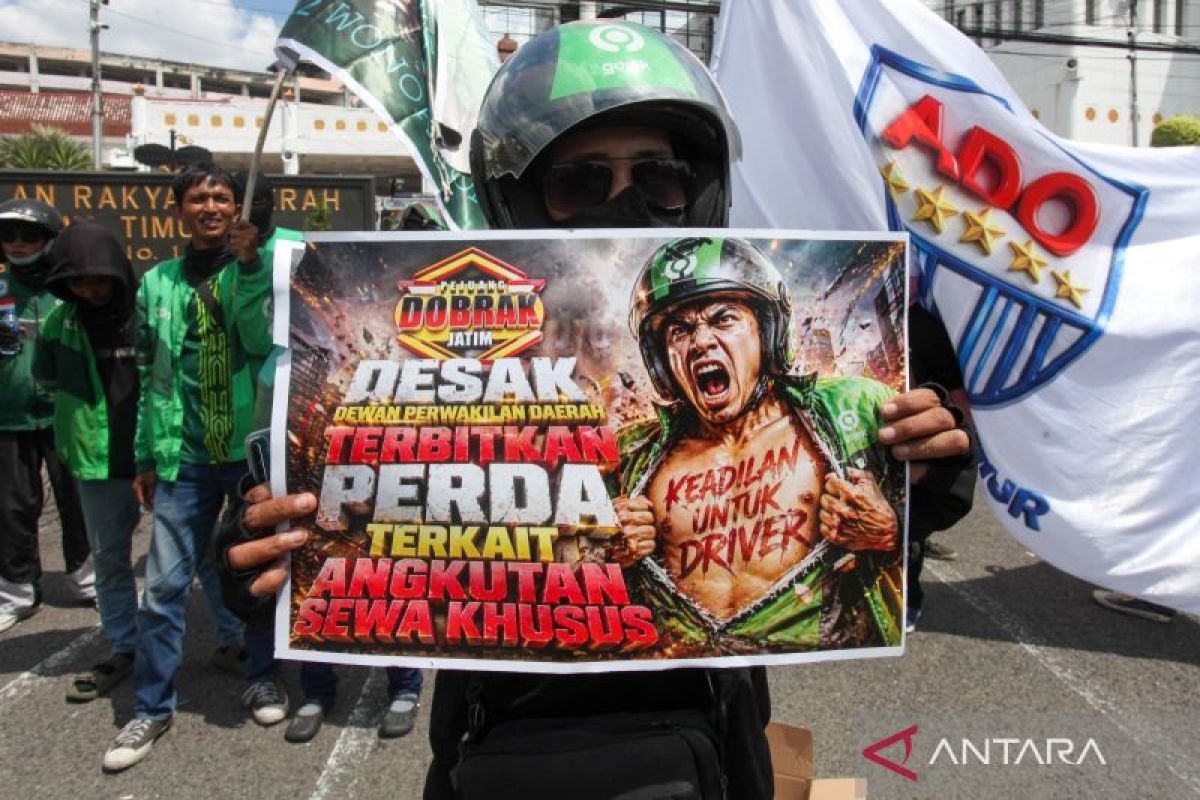
In the short term, the impact of this policy will be evident in changes to income structures and operational costs. In the medium term, its effects could extend to patterns of service consumption, business strategies of companies, and investment dynamics in the digital economy sector.
Jakarta (ANTARA) - The government’s policy of setting a maximum deduction by ride-hailing application operators at eight per cent through Presidential Regulation No. 27 of 2026 marks a pivotal shift in the relationship between the state, digital platforms, and driver partners.
This regulation directly alters the distribution of income within the app-based transportation ecosystem, which has been dominated for several years by market mechanisms and internal company policies.
President Prabowo Subianto established this cap on the grounds that the previous scheme did not provide a proportion deemed fair for drivers. Before this regulation was implemented, operator deductions ranged from 10 to 20 per cent. With the new cap, drivers will normatively receive a minimum of 92 per cent of the transaction value. This change directly affects the revenue sharing per trip received by partners.
In addition to commission regulations, the government has incorporated social protection obligations into the same regulation. Drivers are directed to obtain health insurance and work accident protection through national schemes. The emphasis on this aspect indicates that the government is not only focusing on income distribution but also expanding the scope of labour protection in the digital-based informal sector.
This policy is strengthened by structural measures through state involvement within application companies.
Deputy Speaker of the DPR Sufmi Dasco Ahmad stated that the Danantara Investment Management Agency has purchased shares in several platform companies. This ownership provides the government with room to influence internal company policies, including commission determinations and operational arrangements.
The state’s entry as a shareholder alters the relationship pattern between regulators and business actors. The government now also becomes part of the decision-making structure within the companies. This situation creates a different oversight mechanism compared to conventional regulatory approaches.
Responses from industry players indicate that adjustments are still in the early stages. Gojek stated it will study the details of the regulation and the operational implications that arise. The review process includes recalculating cost structures, impacts on incentive programmes, and possible changes to service strategies. This statement signals that the company needs to make gradual adjustments to maintain a balance between regulatory compliance and business sustainability.
Grab also expressed readiness to coordinate with the government. The company emphasised the importance of maintaining affordability for consumers and service continuity. In this context, commission changes do not stand alone, as every adjustment will impact the overall cost structure, including operations, technology, and marketing.