
State Budget Deficit Reaches Rp 240.1 Trillion by March 2026, Nearly Touching 1 Percent of GDP
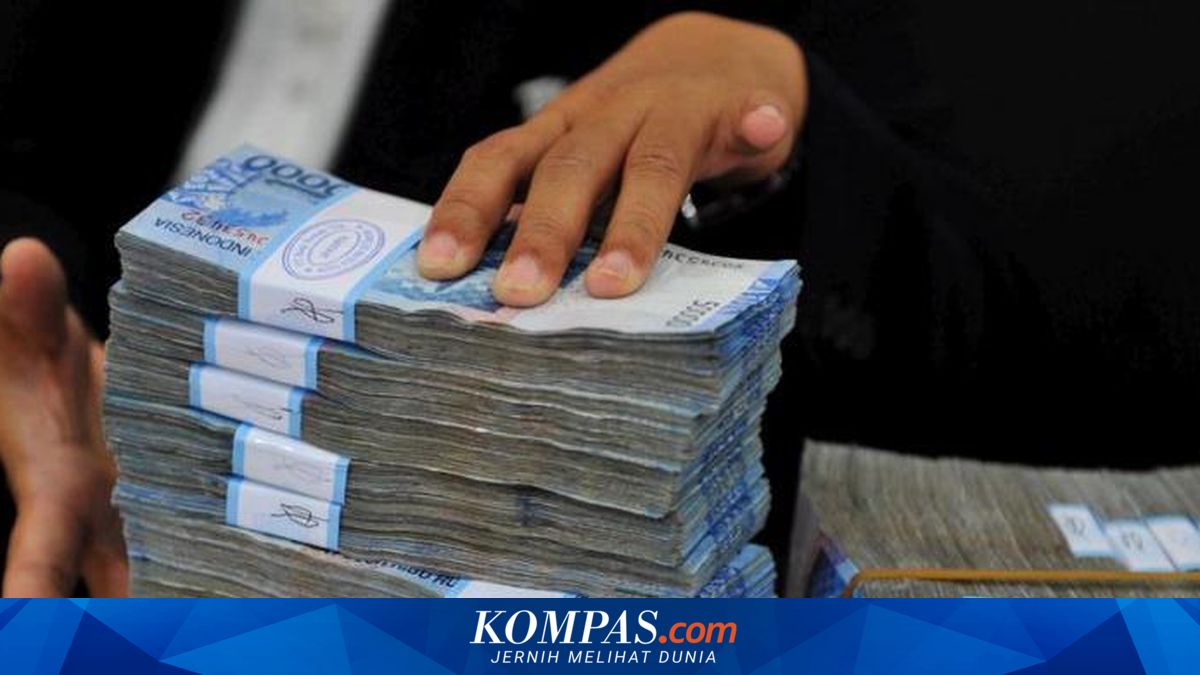
JAKARTA, KOMPAS.com - The Ministry of Finance records that the State Revenue and Expenditure Budget (APBN) experienced a deficit of Rp 240.1 trillion by the end of March 2026. This figure is equivalent to 0.93 percent of gross domestic product (GDP), approaching the 1 percent threshold.
Head of the Bureau of Communication and Information Services at the Ministry of Finance, Deni Surjantoro, stated that despite this, the government assesses the fiscal position as still on a controlled track in accordance with the design of the current year’s APBN.
“The APBN recorded a deficit of Rp 240.1 trillion (0.93 percent of GDP),” said Deni in his statement on Thursday (30/4/2026).
On the revenue side, state revenue realisation reached Rp 574.9 trillion, or 18.2 percent of the APBN target. This revenue is still dominated by the taxation sector, which serves as the backbone of the state coffers.
Tax revenue was recorded at Rp 462.7 trillion, or 17.2 percent of the target. The breakdown includes tax receipts of Rp 394.8 trillion, or 16.7 percent, while customs and excise contributed Rp 67.9 trillion, or 20.2 percent.
On the other hand, state expenditure was recorded higher than revenue, thus driving the formation of the deficit. By the end of March, state expenditure realisation reached Rp 815 trillion, or 21.2 percent of the APBN ceiling.
In more detail, ministry/institution (K/L) expenditure was realised at Rp 281.2 trillion, or 18.6 percent, while non-K/L expenditure reached Rp 329.1 trillion, or 29.5 percent.
To cover the deficit, the government has realised financing of Rp 257.4 trillion, or 37.3 percent of this year’s financing target.
With this composition, the APBN up to the first quarter of 2026 reflects the early-year pattern where state expenditure begins to accelerate, while revenue is still in the collection phase.