
Sri Mulyani Comments on Indonesia-US Trade Tariff Negotiations
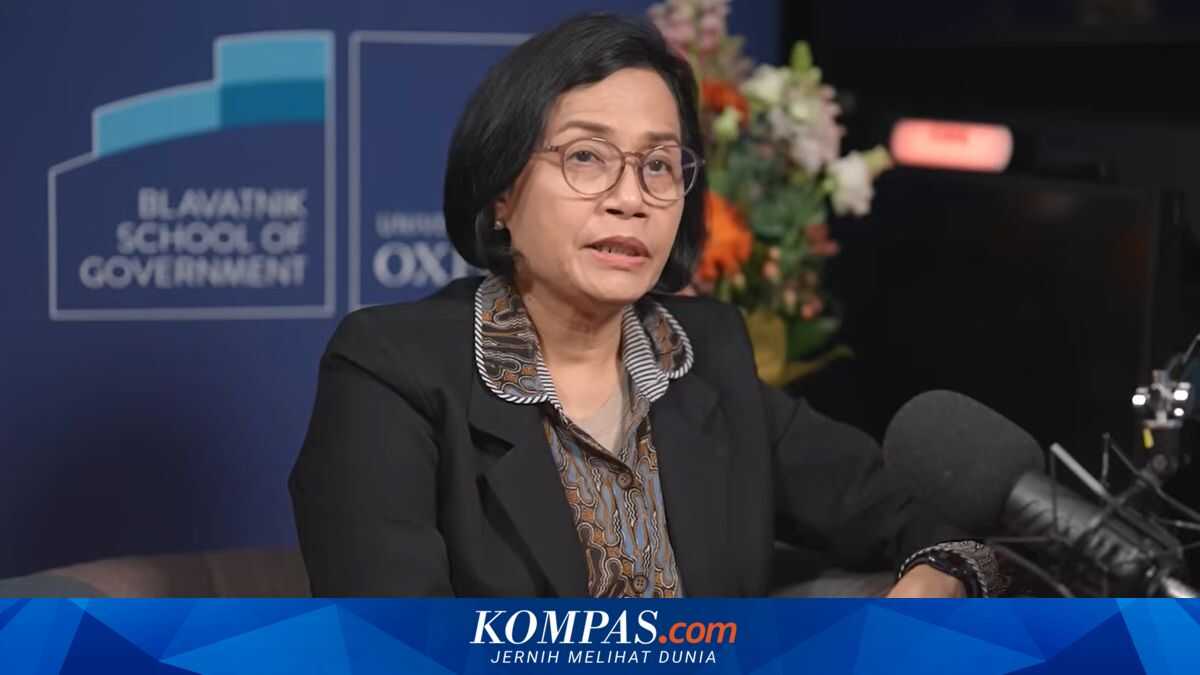
JAKARTA, KOMPAS.com - Former Finance Minister, Sri Mulyani Indrawati, has commented on the dynamics of international trade tariff negotiations, which have led to an agreement between Indonesia and the United States.
She affirmed that, during the discussion process, Indonesia endeavoured to reject clauses that could potentially harm national interests, including provisions often referred to as ‘poison clauses’.
Sri Mulyani explained that, in the current global trade situation, many countries face limitations in determining their trade negotiation strategies.
“Ultimately, each country has limited options other than negotiating bilaterally,” said Sri Mulyani in the Oxford Policy Pod podcast, quoted on Thursday (26/2/2026).
Although this system is not yet fully perfect, this framework of rules has become a common basis for many countries in carrying out international trade activities.
However, Sri Mulyani believes that the unilateral tariff policies implemented by the US have changed this dynamic.
This situation puts many countries in a difficult position, namely whether to continue relying on the multilateral mechanism through the WTO or to choose the path of direct bilateral negotiations with the US.
For Indonesia, she said that there are a number of trade barriers that are a concern in discussions with the US.
However, these issues are essentially in line with the government’s reform agenda to improve the business and investment climate in the country.
According to Sri Mulyani, efforts to overcome these trade barriers are important to improve national economic competitiveness, both in attracting investment and strengthening the domestic industrial base.
On the other hand, Indonesia also has a number of commodities that are needed by the US.
Meanwhile, Indonesia still imports various products from the US, such as meat, soybeans, horticultural products, and oil and gas.
The aviation sector is also part of the discussion in the trade negotiations between the two countries.
“All of this can be utilised in negotiations, not just by seeing tariffs as a tool of pressure, but as a way to strengthen mutually beneficial relations,” said Sri Mulyani.
She added that, in facing the increasingly complex dynamics of global trade, discipline in fiscal management is becoming increasingly important.
This is especially to maintain national economic stability amid global turmoil, including that triggered by the reciprocal trade tariff policies of US President, Donald Trump.