
Sri Lankan Government Raises Fuel Prices Amid Escalation of Middle East Conflict
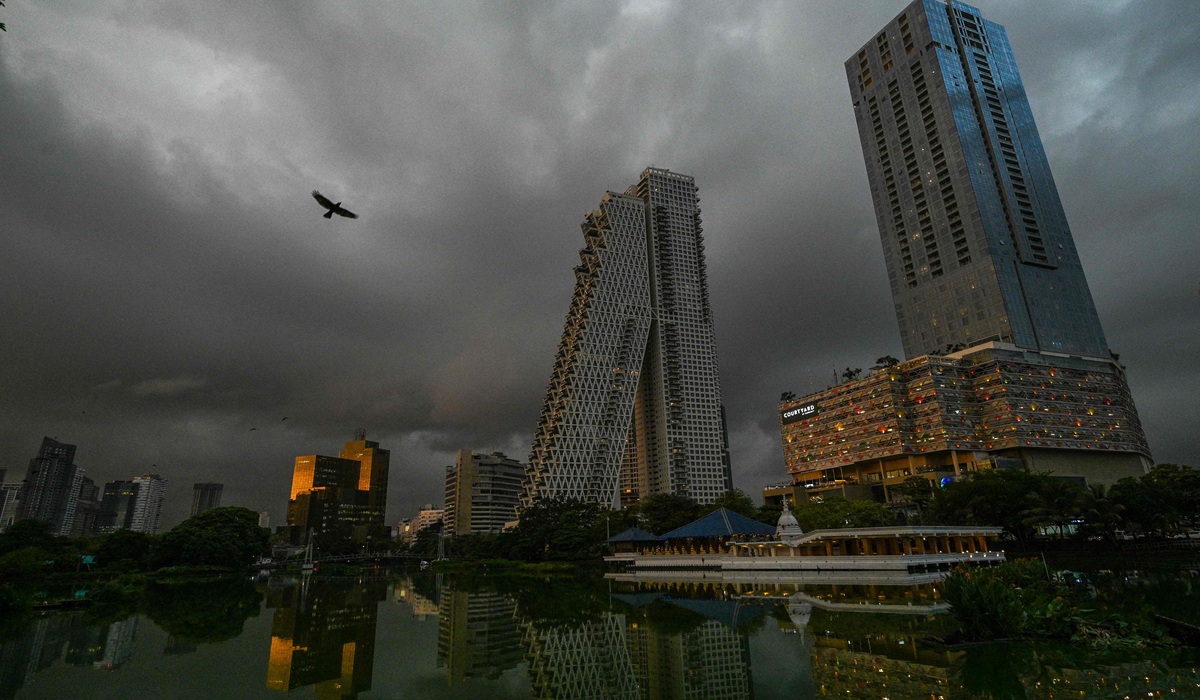
The energy crisis in Sri Lanka is intensifying after the government raised fuel prices for the second time in the last two weeks due to the Middle East conflict. This drastic measure was taken to anticipate the prolonged impact of US and Israeli attacks on Iran, which threaten global energy supply stability. The price of regular petrol has surged to 398 rupees per litre, approximately Rp77,000, previously 317 rupees or about Rp62,000. Meanwhile, the price of diesel fuel, which is crucial for the public transport sector, has risen by 79 rupees, approximately Rp15,500, to reach 382 rupees or about Rp75,000. Relevant authorities hope this policy can curb fuel usage amid stock uncertainties. “We hope to achieve a 15 to 20 per cent reduction in fuel consumption with this latest increase,” said an official from the Ceylon Petroleum Corporation, as quoted by AFP. The price hike aligns with instructions from Sri Lankan President Anura Kumara Dissanayake, who urged his apparatus to prepare for the worst-case scenario in the Middle East region. “The country must prepare for a prolonged conflict in the Middle East that could affect this island’s energy supply,” he stated. Finance Minister Purbaya Yudhi Sadewa has emphasised that fuel prices will not rise until the end of 2026, even if global oil prices exceed US$100. As is known, Indonesia’s dependence on energy imports remains quite high. Beniyanto assessed that the policy is a good step in maintaining national economic stability. Finance Minister Purbaya Yudhi Sadewa revealed there are no plans to raise subsidised fuel prices despite the current soaring global oil prices. Finance Minister Purbaya Yudhi Sadewa responded to the rise in global crude oil prices, which have surpassed the level of above US$100 per barrel.