
Squeezed by Production Costs, Food Station Proposes Adjustment to Rice HET in Jakarta
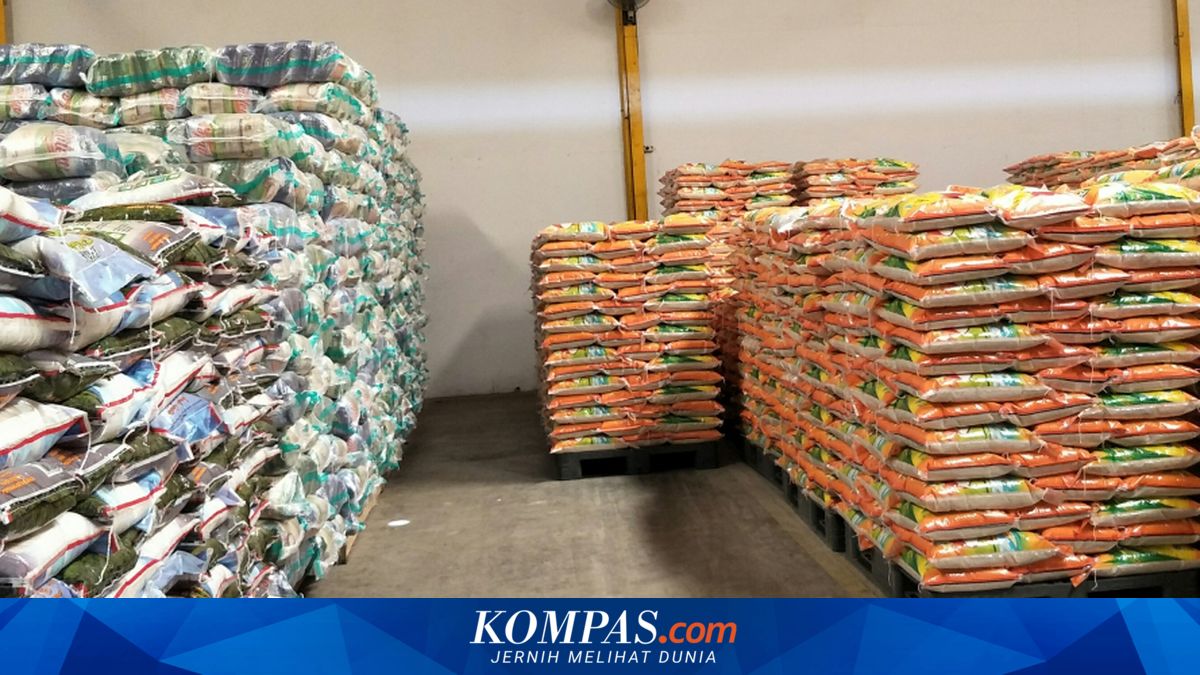
JAKARTA — The President Director of PT Food Station Tjipinang Jaya, Dodot Tri Widodo, stated that the highest retail price (HET) for rice has the potential to rise following the increase in paddy prices at the farmer level. The rise in raw material costs has caused the current rice production costs to exceed the government-set selling price limits. Dodot conveyed this after attending a meeting with Commission C of the DKI Jakarta DPRD on Monday (27/4/2026). “The current field price of paddy is around Rp 7,500 per kilogram. If converted to rice, it’s roughly multiplied by two, reaching Rp 15,000. That’s just for the rice, not including packaging costs, transport, and operations. Our cost of goods sold (HPP) is already above the HET,” Dodot said. Meanwhile, the HET for premium rice is set at Rp 14,900 per kilogram and for medium rice at Rp 13,500 per kilogram. This condition means producers cannot sell according to their production costs without breaching regulations. “Now this is the problem. We cannot sell above the HET, but if we sell above it, we violate the rules,” he said. According to Dodot, one possible solution is for the government to adjust the HET through the National Food Agency (Bapanas). He believes an increase in HET is necessary so that producers can maintain reasonable business margins. “The solution is to raise the HET. So that we producers can still sell with a small margin,” he stated. Nevertheless, Dodot emphasised that the authority to raise the HET lies entirely with the government. His company, along with other industry players, can only propose it through associations such as the Indonesian Paddy Milling Association (Perpadi). In addition, the company is also promoting bulk rice sales to reduce packaging costs. “We encourage sales of 25 kilos to 50 kilos, so that packaging costs can be lowered. This can help hold prices, although it cannot be done on a massive scale,” Dodot said. He added that this step is also part of a cross-subsidy scheme to keep rice prices affordable for the public, especially in traditional markets. With the continuously rising paddy prices, Dodot acknowledged that the pressure on rice prices will grow even greater if not balanced by appropriate government policies.