
SPT Coretax Flags 'Underpayment'? DJP Explains and How to Resolve It
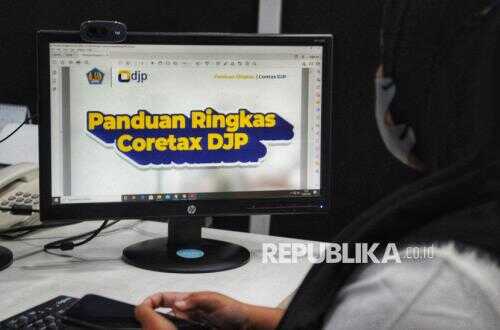
Some taxpayers are complaining about the ‘underpayment’ status on their annual tax return notices in the Coretax system. The Directorate General of Taxes (DJP) at the Ministry of Finance (Kemenkeu) said this condition can arise due to additional data received from third parties.
Regarding the ‘underpayment’, this is the consequence of a third-party data exchange. The withholding receipts or transaction receipts we receive from third parties are linked directly to the NIK or NPWP of the individual who conducted the transaction. Even cash rebates, even small amounts, are included, said Director General of Taxes Bimo Wijayanto at a media briefing at the DJP Complex, Jakarta, Thursday 5 March 2026.
Moreover, within a year a taxpayer may have income from various sources, such as freelancing, side businesses, or income from certain investments. If that income has not been taxed through withholding, when filing the SPT the ‘underpayment’ label will appear.
Additionally, this condition can relate to the withholding mechanism in the pot. The tax withheld by the payer on the withholding certificate can sometimes be at a lower rate than the rate that should be paid under the annual SPT calculation.
When all income is aggregated in the annual SPT, it can push into a higher tax bracket. This occurs because Indonesia’s personal income tax system uses a progressive rate. Consequently, when filing the SPT the ‘underpayment’ status may appear.
Bimo stressed that the Coretax system is designed with a ‘compliance by design’ concept, so taxpayers are encouraged to comply through the system. ‘So that is indeed a feature of the pre-populated data. This has long been applied in many countries with more advanced tax systems than Indonesia. The mechanism encourages compliance because it systematically promotes more accurate reporting,’ he said.