
SPPG Polluting Mosque Area in Bogor Suspended
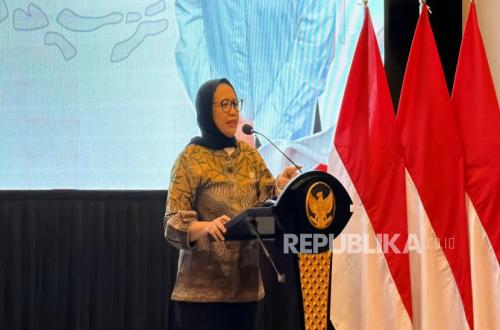
The National Nutrition Agency (BGN) has officially suspended the Ranca Bungur Bantarjaya 2 Nutrition Fulfilment Service Unit (SPPG) in Bogor, effective 18 March 2026. This firm step was taken after the SPPG used a mosque area for food processing without permission, breaching operational procedures and disrupting public facilities. “This is not just a procedural violation; it also damages the sanctity and cleanliness of worship facilities that must be preserved. Such SPPGs cannot be tolerated,” said BGN Deputy Head Nanik S Deyang in Jakarta on Thursday (19/3/2026). The decision refers to BGN Head’s Decree Number 401.1 of 2025 on Technical Guidelines for the Management of the Free Nutritious Meals (MBG) Programme for the 2026 Fiscal Year, as well as a special report from the Bogor Regency Regional Coordinator regarding alleged operational procedure violations. “Our goal is clear: to maintain production quality, nutritional standards, and food safety. Any actions that could lower these standards must be addressed immediately,” Nanik added. During the operational suspension period, SPPG Ranca Bungur Bantarjaya 2 is required to improve its facilities and infrastructure and submit valid supporting documents to the Directorate of Regional Monitoring and Supervision II of BGN. Verification will be conducted to ensure improvements meet standards before the operational status is lifted. “The revocation of the suspension status can only occur after verification is complete and all standards are met. There is no compromise for ignored procedures,” Nanik emphasised. BGN stresses that all SPPGs must operate by prioritising cleanliness, food safety, and compliance with applicable regulations. Similar violations in the future will be firmly addressed in accordance with prevailing provisions. “This is our responsibility to the public and public facilities. Every violation, no matter how small, has clear consequences,” Nanik concluded.