
SPKS urges government to increase profit-sharing funds for palm oil producing regions
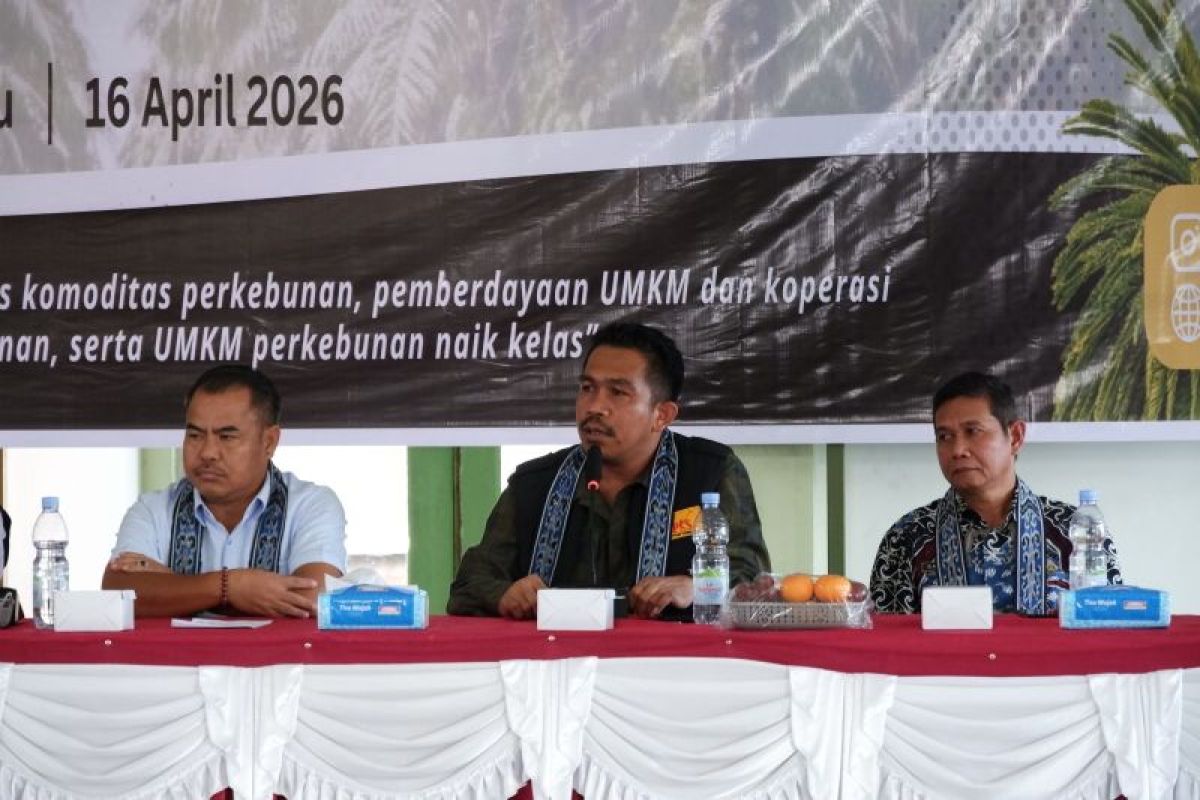
Jakarta (ANTARA) - The Indonesian Palm Oil Farmers’ Union (SPKS) has urged the government to increase the allocation of Palm Oil Profit-Sharing Funds (DBH Sawit) for producing regions. “To date, palm oil producing regions have only received a very small share of the wealth generated from their own territories, while the state obtains substantial revenues from the palm oil sector through various export levies and exit duties,” said SPKS General Chairman Sabarudin in Jakarta on Thursday. According to him, the palm oil profit-sharing funds are the right of the producing regions. However, in reality, the funds returned to the regions remain very small compared to the value of palm oil trade and state revenues from this sector. He called on the central government to be more equitable in distributing the economic benefits of palm oil to the regions. He explained that the current scheme for palm oil profit-sharing funds is regulated under Government Regulation No. 38 of 2023 and updated through Ministry of Finance Regulation No. 10 of 2026. According to him, these funds are sourced from state revenues derived from exit duties and export levies on palm oil, which should serve as an important instrument to support development in producing regions. SPKS assesses that the current fiscal policies for the palm oil sector still do not reflect the principle of justice for producing regions. They highlighted that the government continues to increase levies from the palm oil sector. In 2026, the exit duty rate for crude palm oil (CPO) reaches 148 US dollars or more than Rp2.5 million per metric tonne. Meanwhile, the CPO export levy has also increased to 123.7035 US dollars or Rp2.1 million per MT, or around 12.5 per cent of the CPO reference price for the April 2026 period. He stated that the majority of these export levy funds are instead allocated to subsidies for the biodiesel programme, particularly the mandatory B40 biodiesel programme. According to him, to date, around 90 per cent of the palm oil export levy funds, or approximately Rp50 trillion annually, have been used for biodiesel subsidies. He said that while this programme is important for national energy needs, producing regions should not be deprived of fair benefits from the natural resources originating from their territories. “We believe it is time for the central government to balance these policies by increasing the allocation of palm oil profit-sharing funds for producing regions so that the economic benefits of palm oil can be felt more evenly,” he said. They also encouraged regional governments to utilise the palm oil profit-sharing funds not only for infrastructure development but also to improve governance in the smallholder palm oil sector, including accelerating farmer data collection through Cultivation Registration Certificates (STDB) and providing guidance to farmers to meet Indonesian Sustainable Palm Oil (ISPO) certification standards. According to him, strengthening farmer data and sustainability certification is crucial to ensure that smallholder palm oil becomes more competitive and sustainable in the global market. “Palm oil producing regions have made a significant contribution to the national economy. It is time for the central government to provide a fairer share to the regions through an increase in the Palm Oil Profit-Sharing Funds,” he said.