
Spiny dinosaur uncovered, new evidence of prehistoric life diversity
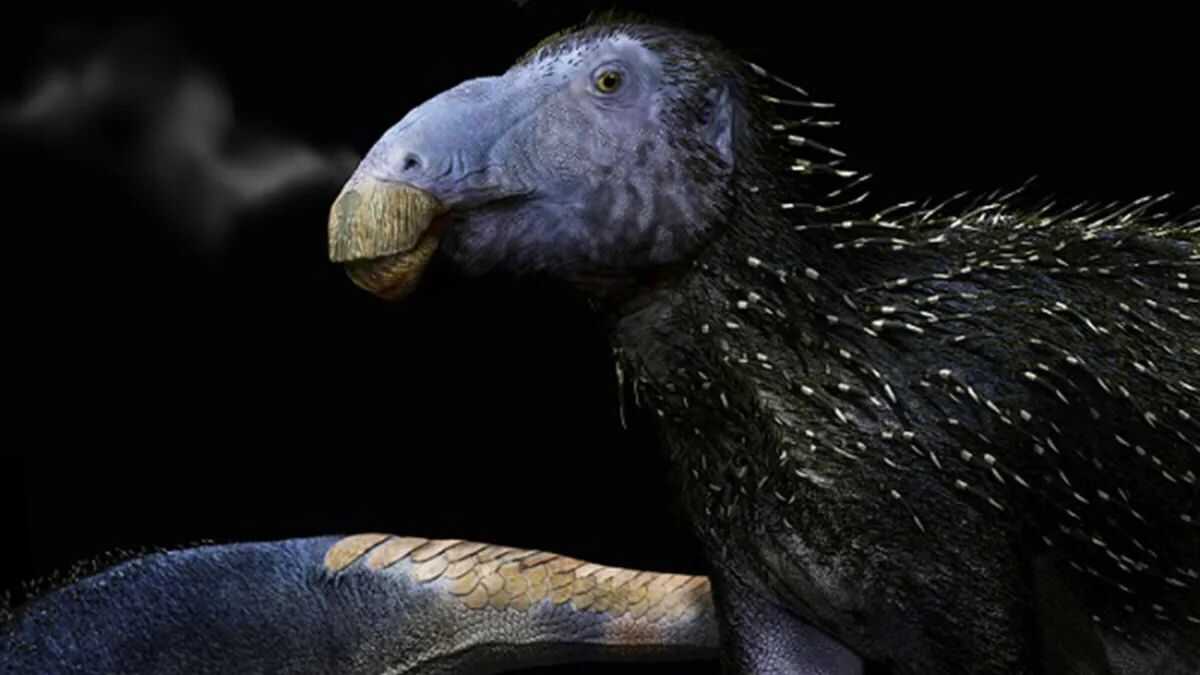
Scientists have again identified a new species of dinosaur that astonishes the world of palaeontology. The fossil shows a dinosaur with hollow spines protruding from its skin, which the international team of researchers identified from fossils found in China. The new species has been named Haolong dongi and is estimated to have lived around 125 million years ago during the Early Cretaceous period.
The discovery drew attention because the body features spines that are hollow and stick out of the skin. The shape of these spines is considered unique, having not been observed in any previously known dinosaurs. In scientific reconstructions, the spines are depicted resembling porcupine quills, possibly functioning as a defence mechanism against predators.
Haolong dongi fossils were found in exceptionally well-preserved condition in the Yixian Formation, one of China’s important fossil sites renowned for yielding specimens from the Early Cretaceous. The specimen measures about 2.4 metres in length and is believed to have died as a juvenile, suggesting that the adult could have reached roughly five metres in length.
Researchers say this dinosaur belonged to the iguanodontia group, a clade of herbivorous dinosaurs known for beak-like mouths and strong hind limbs. However, the presence of spines on its skin indicates that the diversity of body forms among dinosaurs may be far more complex than previously thought.
Beyond defence, the spines are also thought to have other functions, such as helping regulate body temperature or serving as sensory organs for detecting the surrounding environment. Scientists continue to study the microscopic structure of the skin fossils to understand their biological function in greater depth.
The discovery provides a new glimpse into dinosaur evolution, particularly regarding body adaptations that evolved to survive in prehistoric environments. Scientists also note that the finding opens opportunities to discover more dinosaur species with unique characteristics in the future.
Research on Haolong dongi has been published in the scientific journal Nature Ecology & Evolution in February 2026, and is expected to broaden scientific understanding of dinosaur biodiversity as well as the evolution of skin and body structures. (Nature Ecology & Evolution; CNRS; ScienceDaily; Discover Wildlife/P-3)
Radiometric dating and stratigraphic correlations support an age for the fossil ranging from the Middle to Late Cretaceous.