
Sperm Quality at its Highest in Summer, Study Finds
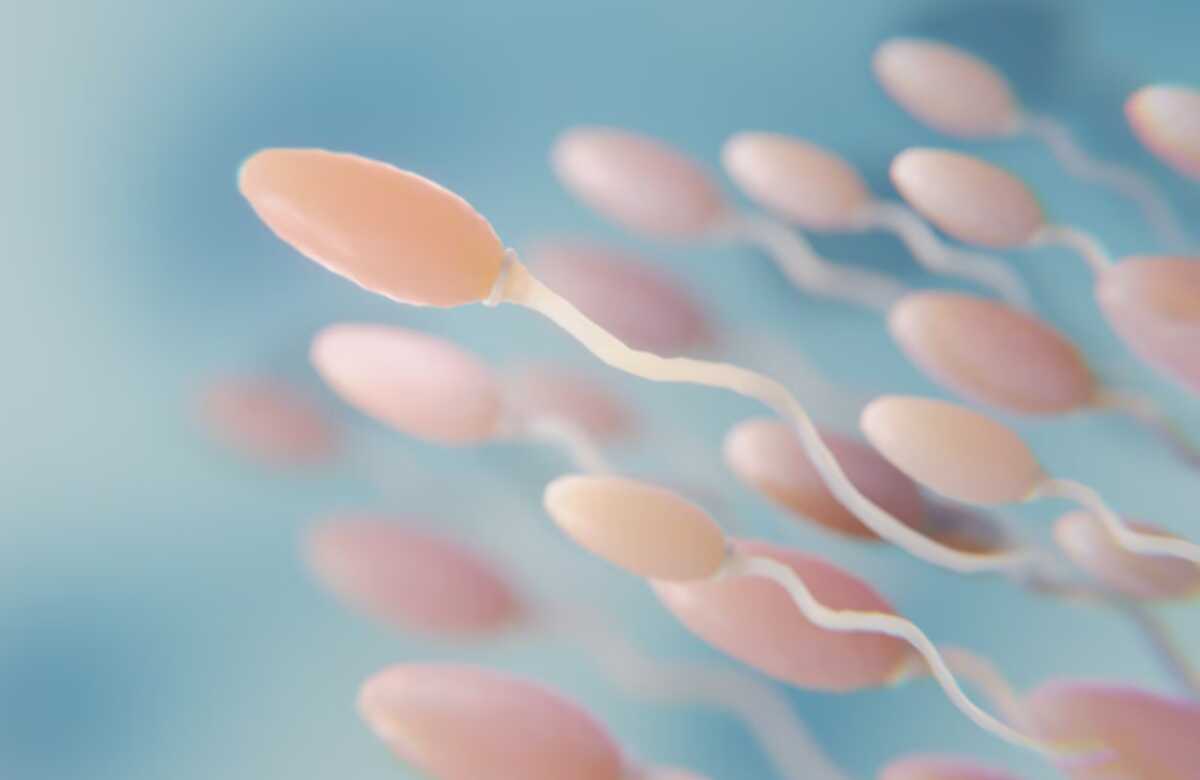
A recent study published in the journal Reproductive Biology and Endocrinology reveals an interesting fact about male reproductive health. The study, involving thousands of samples, found that male sperm quality reaches its peak in the summer and is at its lowest in winter.
Researchers from the UK, Canada, and Denmark analyzed semen samples from 15,581 men aged 18 to 45, located in Denmark and Florida, USA. The results showed that sperm motility, which is the ability of sperm to swim effectively, consistently peaked in June and July in both regions.
This finding provides a new perspective for the medical world, especially in optimizing the timing of fertility treatments and fertility testing to provide better guidance for couples trying to conceive.
The study indicates that sperm motility levels change with the seasons, rather than just being a difference in climate. Interestingly, the lowest levels were found in December and January, even though Florida tends to remain warm throughout the year.
Scientists note that while sperm motility varies seasonally, other variables such as total sperm concentration and ejaculate volume remain stable and are not affected by seasonal changes. This suggests that the time of year has a greater impact on the quality of sperm “swimming ability” than the amount of sperm produced.
Biologically, the optimal temperature for the testes should be two to four degrees lower than the average body temperature (37 degrees Celsius). Temperatures that are too high or too low from this range are known to have a negative impact on sperm motility.
However, Professor Allan Pacey from the University of Manchester, who is also one of the authors of this study, highlighted that there are other factors besides environmental temperature.
“We were surprised by how similar the seasonal patterns were in two very different climates. Even in Florida, where the temperature remains warm, sperm motility still peaked in the summer and decreased in the winter, suggesting that environmental temperature alone is unlikely to explain these changes,” said Professor Pacey.
He added that this study is very important in evaluating male semen quality.
“Our study highlights the importance of considering seasonal factors when evaluating semen quality. These findings deepen our understanding of male reproductive health and can help improve fertility outcomes,” he added. (BBC/Z-2)
A recent study published in the journal Cell Metabolism reveals surprising facts about the impact of ultra-processed foods (UPF) on male fertility.
Male fertility is not only influenced by genetic factors or certain medical conditions. There are a number of daily habits that unknowingly can reduce sperm quality and quantity.
Erectile dysfunction, often referred to as impotence, is often associated with aging. In fact, this condition can be experienced by men of various age groups, including young men.
Learn about the habits that can reduce male fertility, from vaping, smoking, stress, to poor lifestyle. See the full explanation here.
Research shows that the number of sperm in men has decreased by more than 1% each year since the 1950s, with the rate of decline now reaching 2% per year.
Does hot weather make you feel weak? See 9 essential foods to maintain your immune system so it doesn’t drop, from citrus fruits to yogurt. Check out the full details!
A team of researchers from the Cornell Food and Brand Lab found that the weight of most people is relatively stable during the summer. But it starts to increase when the end-of-year holidays arrive.
A recent study reveals that abolishing daylight saving time (DST) in the US could prevent more than 300,000 cases of stroke and 2.6 million cases of obesity each year.
The stunning coastline of Turkey is a special attraction, as it receives abundant sunshine until the end of November.
Learn how to line your refrigerator with paper in the summer to keep it clean, reduce odors, and make your refrigerator more energy efficient. Practical and easy to apply at home.