
Speeding and Vehicle Overload Identified as Fatal Accident Triggers; Real-Time ETLE System Activated
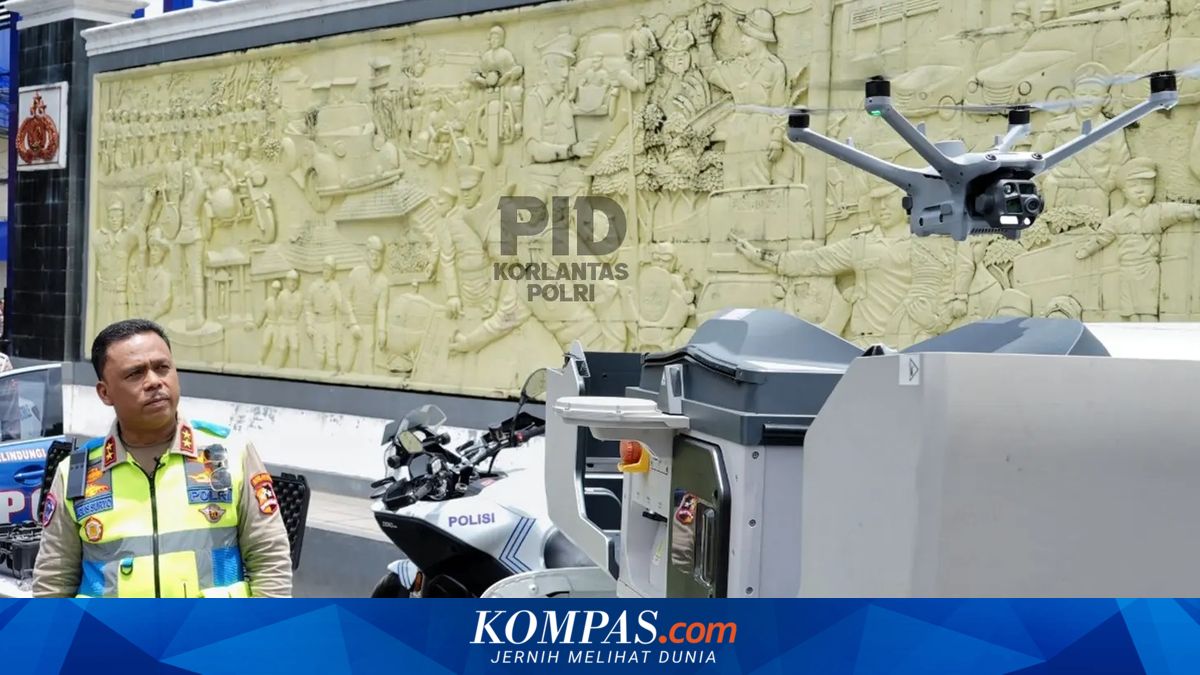
JAKARTA — Fatalities from road accidents on toll routes are primarily rooted in two fundamental and recurring violations: speeding and vehicle overload or Over Dimension Over Load (ODOL).
This emerged during a Focus Group Discussion on Jabodetabek Toll Traffic Congestion Management held on Monday (16 March 2026).
To address this, the National Police have strengthened enforcement through Police Regulation (Perpol) Number 2 of 2025, implementing a more systematic and transparent electronic evidence-based enforcement system to reduce accident rates.
The first major violation is speeding, which contributes significantly to fatal accidents. Drivers tend to exceed 100 km/h when roads are clear, but fail to manoeuvre or brake suddenly when needed.
The second violation is ODOL, where heavy vehicles with excessive loads not only damage infrastructure but also have poor stability and braking capacity. Overloaded trucks create dangerous speed disparities on toll routes.
The third violation involves shoulder lane misuse. Many road users still use shoulders for overtaking or stopping without legitimate emergencies, often causing rear-end collisions with fatal consequences.
Consequently, the National Police Traffic Directorate no longer relies solely on manual patrols, which have inherent spatial and temporal limitations. Implementation of an integrated Electronic Traffic Law Enforcement (ETLE) system with cameras along Jabodetabek toll routes has become the primary instrument for disciplining road users.
The system enables automatic violation detection, from seatbelt usage to mobile phone use whilst driving, and vehicle speed monitoring.
A crucial element of this approach is a paradigm shift from merely imposing sanctions to creating a safer driving environment. The National Police emphasise that inter-agency cooperation, from toll road operators to the Ministry of Transport, is key to establishing a sustainable traffic system.
A unified traffic control centre allows officers to respond to incidents in real-time, manage traffic flow during congestion, and accelerate emergency response during the critical “golden hour” following accidents.