
Spare Tyres Cannot Fully Replace Main Tyres
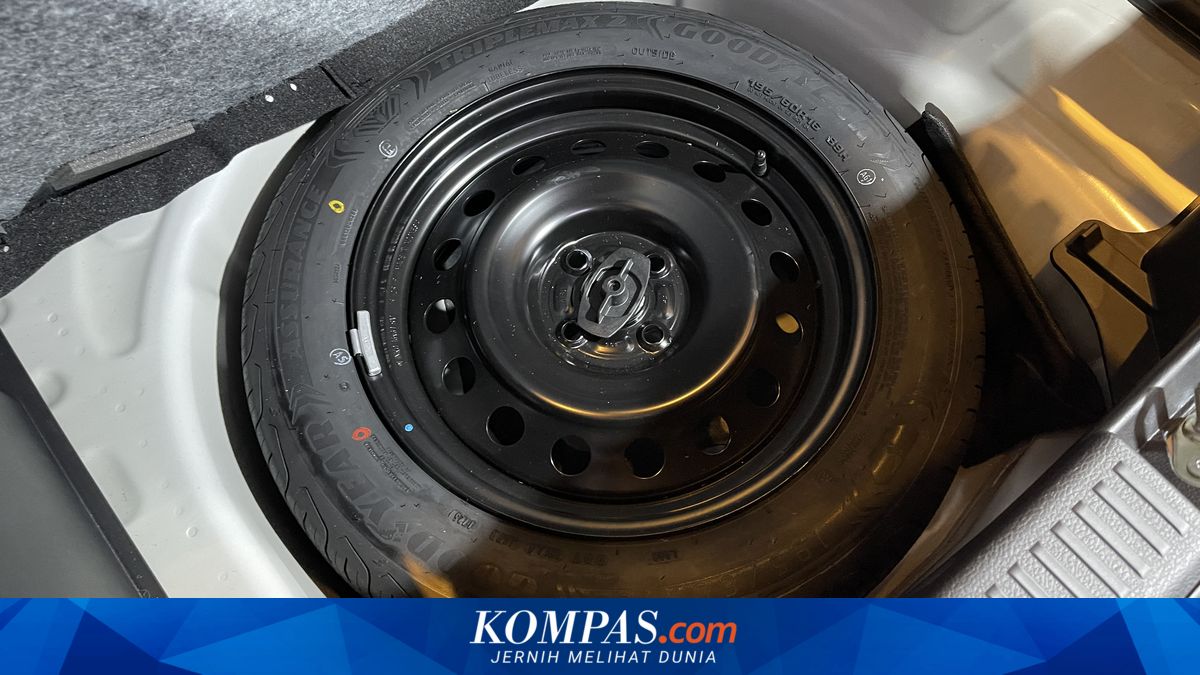
SOLO, KOMPAS.com — The National Transportation Safety Committee (KNKT) has reminded the public that spare tyres on motor vehicles are not actually designed to fully replace the role of main tyres over extended periods. These tyres function solely as an emergency solution to allow vehicles to continue travelling to the nearest tyre repair shop or service centre.
Ahmad Wildan, Head of the Road Transport Traffic Subcommittee at KNKT, stated that most modern motor vehicles use spare tyres of the space saver type or emergency tyres that are smaller in size than main tyres.
“Remember, spare tyres are only used to get to a tyre repair shop or workshop. Whilst being used, do not drive at high speed, as this risks tyre rupture,” Wildan told KOMPAS.com on Tuesday (10 March 2026).
Due to their smaller size, spare tyres have speed limitations. Drivers are typically advised not to exceed approximately 80 km per hour when using emergency tyres to prevent the tyre from overheating and becoming damaged.
In addition, the grip performance of spare tyres is not as good as main tyres. This can affect vehicle stability, particularly when manoeuvring or performing emergency braking.
KNKT also assessed that using spare tyres over long distances can increase the risk of accidents. The difference in tyre size and characteristics can cause uneven load distribution across the vehicle.
Drivers are also advised to regularly check the condition of their spare tyre. There are many cases where spare tyres cannot be used because tyre pressure has dropped too low or the tyre is damaged.
Beyond tyre pressure, the age of spare tyres also requires attention. Even though rarely used, the rubber can still harden or crack over time.
KNKT recommends that drivers do not delay repairs to main tyres after using spare tyres. Replacing them with standard tyres will maintain vehicle stability and safety.
By understanding the limited function of spare tyres, drivers can make more prudent decisions when using them and continue to prioritise safety during travel.