
SPAM Regional Regulation Expedited, Pramono Emphasises Fair and Affordable Water Tariffs
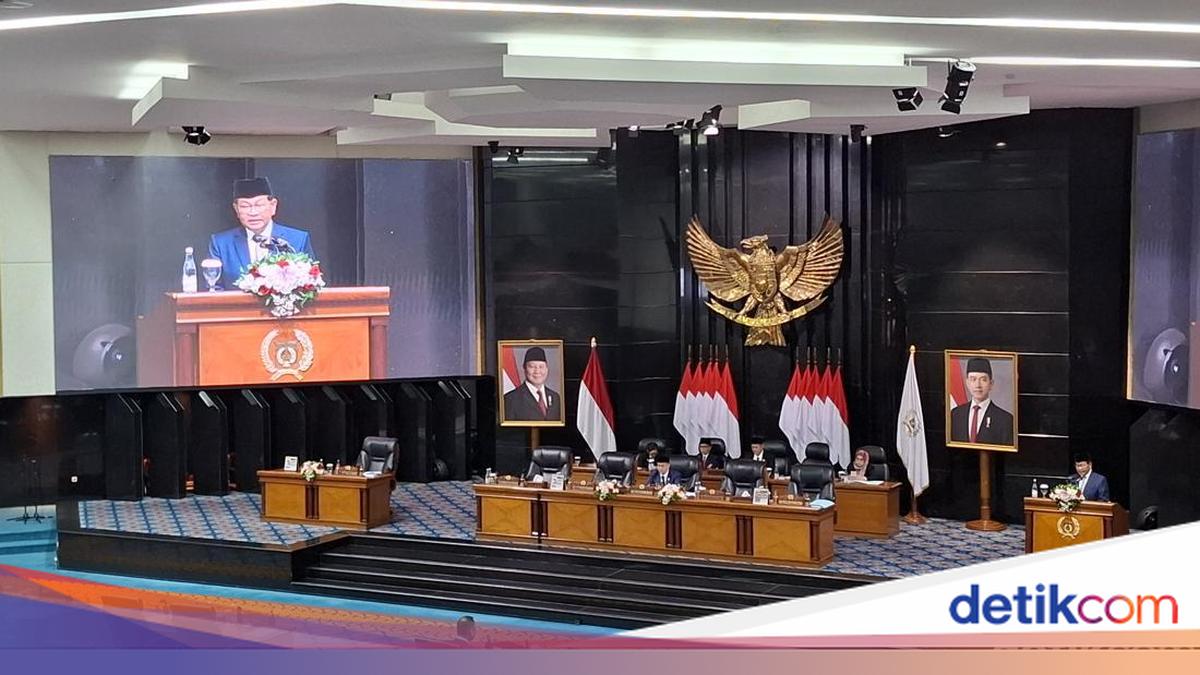
The Jakarta Provincial Government is accelerating the discussion of the Draft Regional Regulation (Ranperda) on the Drinking Water Supply System (SPAM) to expand access to clean water for the public. DKI Jakarta Governor Pramono Anung emphasised that drinking water services must prioritise the principles of fairness and affordability.
This was stated by Pramono during a plenary session of the DKI Jakarta DPRD on Monday (13/4/2026). He described the SPAM Ranperda as an important foundation for guaranteeing the fulfilment of residents’ basic rights to decent drinking water.
“Its fulfilment must prioritise the principles of fairness, affordability, and sustainability through public services regulated by the regional government,” said Pramono.
The Ranperda affirms the obligations of providers to meet the principles of quality, quantity, continuity, and affordability. Pramono said that performance achievements will be monitored and evaluated, then reported transparently to the DPRD and the public through the SPAM information system.
The DKI Provincial Government will also focus on controlling non-revenue water (NRW) through technical approaches and sustainable governance improvements. The steps taken include modernising distribution networks, establishing district metered areas, strengthening monitoring systems, cracking down on illegal usage, and enhancing supervision.
Regarding water resilience, Pramono emphasised the importance of diversifying raw water sources. These efforts encompass utilising surface water, reservoirs and dams, seawater desalination, and reusing treated water in accordance with standards.
“In addition, securing cross-regional supplies is carried out through inter-regional cooperation, protection of water catchment areas, and support for upstream conservation,” he said.
On the other hand, his side will also gradually reduce dependence on groundwater through the implementation of piped water services. The obligation to use piped water will be enforced in areas already covered by the service.
“This step is taken to curb groundwater exploitation, control land subsidence, and preserve the environment,” he stated.
In the plenary session, policies on drinking water tariffs were also discussed, referring to the principles of affordability, fairness, reasonableness, and protection for low-income communities.
“Regarding drinking water tariffs, subsidies, protection for low-income communities, and tariff fairness, it is conveyed that tariff policies are based on the principles of affordability, fairness, reasonableness, and protection for low-income communities,” Pramono explained.
In addition, the strengthening of the SPAM information system was discussed to enhance transparency, supervision, and services to the public, while being integrated with environmental protection, water resource conservation, and sanitation management.
“Overall, this Ranperda serves as an important foundation to strengthen basic services, expand service coverage, improve water resilience, and ensure fair, transparent, and sustainable drinking water management,” he said.