
Space Rock That Fell in a Home Garden Reveals Secrets of the Solar System's Early History
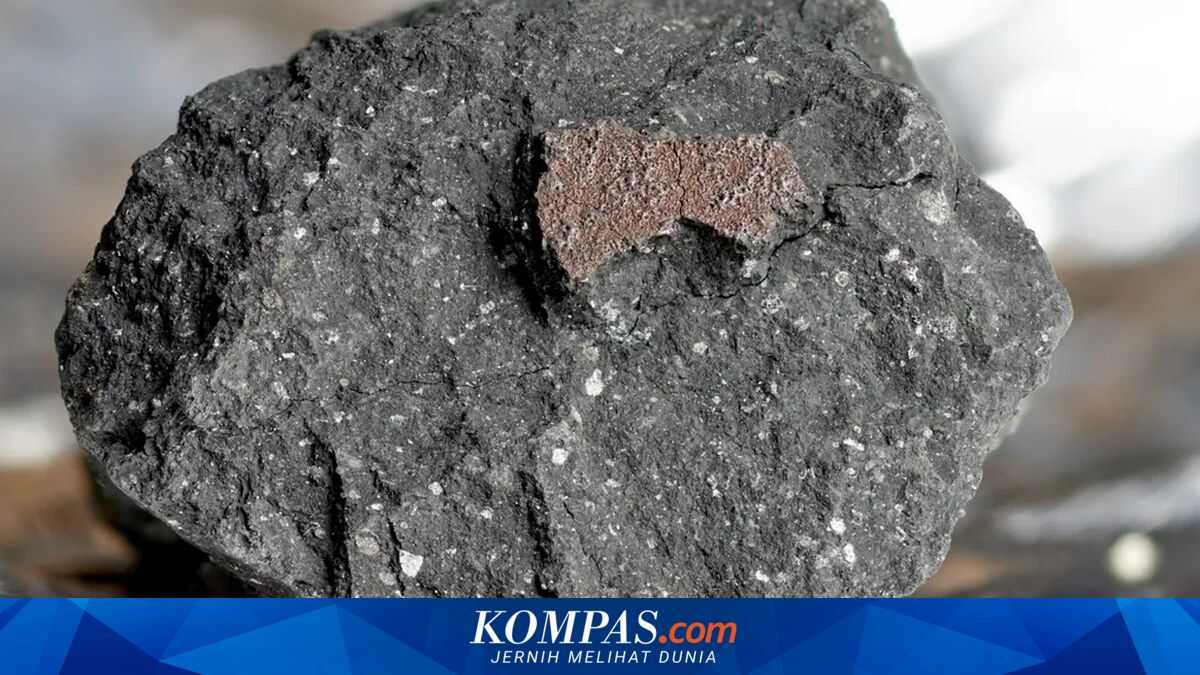
On the night of 28 February 2021, the Wilcock family in the small town of Winchcombe, Gloucestershire, England, did not expect their lives to intersect with the history of the Solar System. During the third national lockdown of the COVID-19 pandemic, that night was supposed to pass as usual. But the sky had other plans.
At 21:54 local time, a bright fireball flashed across the English sky. The asteroid entered Earth’s atmosphere at a speed of around 13.5 kilometres per second. Residents in southern England witnessed the brilliant light, while meteor surveillance cameras and doorbell-camera footage captured the event. From the footage, researchers estimated that if any fragments survived, they would most likely have fallen in Gloucestershire.
Soon after, around 22:00, one of the Wilcocks heard a strange noise from outside the house. A planetary scientist from the Natural History Museum London, Dr. Helena Bates, described the sound as ‘like a frame falling from the wall of a picture’. They had not yet realised that the sound came from the meteorite that had just landed—and that they may have been the only people in the world to hear the moment the meteorite touched down.
Confusion arose. In the family’s WhatsApp group, they discussed the strange object. One of the adult children sent a link to a press release about the fireball seen the previous night. ‘Have you seen this? It looks like it could be the meteor. You’re in the right area. It could indeed be the meteor,’ he wrote.
Dr Bates said, ‘They then collected material. They scooped it into yoghurt pots, plastic bags, sandwich bags, and so on.’ This swift action proved crucial for the subsequent scientific research. ‘One truly unique aspect of Winchcombe is that this meteorite was collected very, very quickly,’ Dr Bates noted. The meteorite had not been exposed to rain. In meteorites, contamination can arise rapidly from exposure to water and the surrounding environment. But because it was collected soon after the fall, the sample remained in an exceptionally pristine condition—almost as good as possible after a meteorite event.
This pristine state enables scientists to conduct cutting-edge research, including analyses of material dissolved in water—material that would likely have disappeared if the meteorite had been subjected to rain.
In classification terms, the Winchcombe meteorite is a carbonaceous chondrite. This type is not the rarest, but not common either—only around 4.6 percent of all meteorites ever found are in this category. However, what makes it extraordinary is the freshness of the sample. The quality of the specimen allows research on par with asteroid-sampling missions such as JAXA’s Hayabusa2 or NASA’s OSIRIS-REx.