
Southeast Asian Islamist Groups Mourn Khamenei, But Iran's Influence Remains Limited
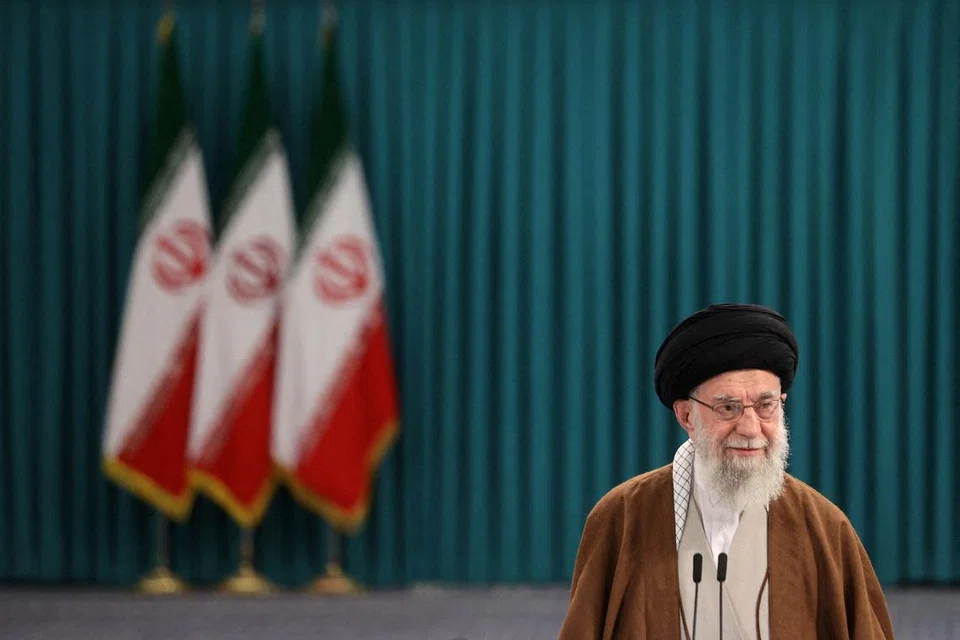
Analysts say sympathy over US-Israel strikes unlikely to reshape regional politics
Islamist groups in Malaysia and Indonesia have expressed condolences over the reported death of Iranian leader Ayatollah Ali Khamenei, while condemning US and Israeli strikes on Tehran. Yet analysts say Tehran’s long-term influence in the region remains constrained.
PAS and MUI Offer Condolences
Malaysia’s Parti Islam SeMalaysia (PAS) was among the first in the region to extend condolences, describing Khamenei’s death as a major loss to the Muslim community. PAS leaders also condemned what they called US and Israeli aggression against Iran.
Indonesia’s Ulema Council (MUI) similarly conveyed its condolences, praying for Khamenei as a martyr. Both groups framed their statements within broader criticism of military action against Tehran.
Ideological Links to 1979 Revolution
PAS’ leadership structure was historically influenced by Iran’s 1979 Islamic Revolution, including the creation of its Majlis Syura Ulama and the role of spiritual leader, modelled after Iran’s supreme leadership system.
However, analysts note that while the revolution once inspired Islamic revivalist movements in the region, those ideological ties have weakened over time, especially among younger leaders.
Waning Influence in Sunni-Majority Nations
Malaysia and Indonesia are predominantly Sunni, while Iran is Shi’ite, placing them on different sides of a major theological divide. Analysts say this sectarian difference has limited Tehran’s sustained political influence.
Political Islam expert Mohd Faizal Musa noted that only a small number of PAS leaders still view Iran as a guiding model, while newer generations show less interest in Iranian revolutionary ideals.
Broader Political Responses
Malaysian Prime Minister Anwar Ibrahim condemned the US-Israel strike and later extended condolences over Khamenei’s death. Coalition partners also denounced the attack as unprovoked.
Elsewhere, Turkey criticised the military operation, while the Organisation of Islamic Cooperation expressed concern over escalating regional tensions, including Iran’s missile launches targeting neighbouring states.
Sympathy Without Strategic Shift
Indonesian academic Yon Machmudi said Iran’s revolution once inspired parts of Indonesia’s Islamic revivalist movement but did not create lasting institutional ties due to sectarian differences.
Observers suggest that while sympathy may grow amid perceptions of injustice, it is unlikely to translate into deeper political alignment. For now, expressions of solidarity appear largely symbolic rather than strategic.
The reactions from Southeast Asian Islamist groups underscore lingering emotional and ideological connections to Iran’s revolutionary legacy. Yet structural realities—particularly sectarian divides and domestic political priorities—continue to limit Tehran’s enduring influence in Malaysia and Indonesia.
Sources: Straits Times (2026)
Keywords: PAS Condolences Iran, MUI Statement Khamenei, Sunni Shiite Divide, Malaysia Political Islam, Indonesia Iran Relations