
Southeast Asia Confronts Surge in Youth Radicalisation Linked to White Supremacist Content
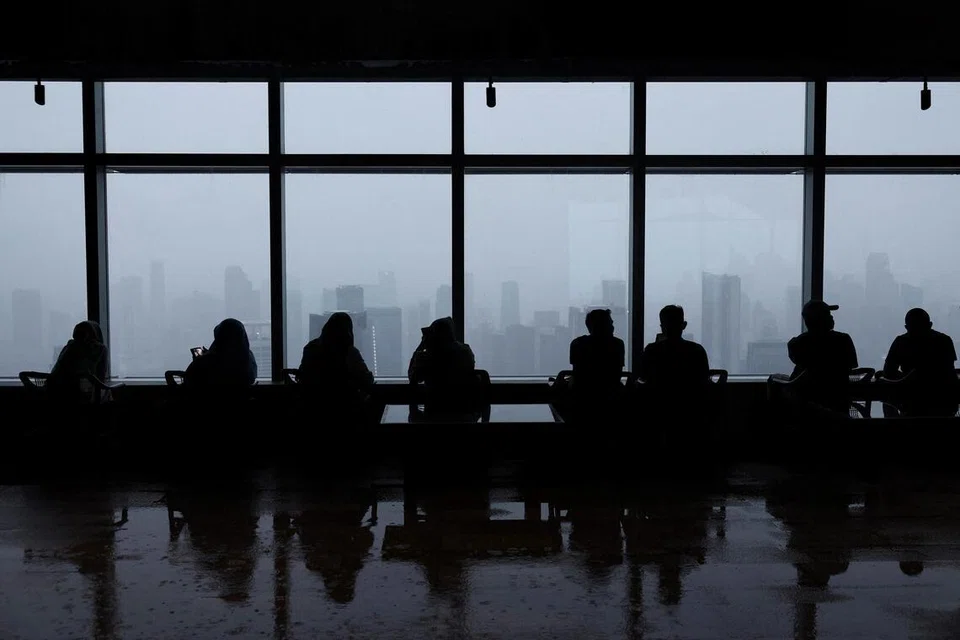
Authorities monitor dozens of teenagers influenced by online extremist communities and violent propaganda
Security agencies across Southeast Asia are confronting a growing threat as teenagers become radicalised by white supremacist content circulating on social media and messaging platforms.
Jakarta School Bombing Raises Alarm
Authorities became increasingly concerned after an Indonesian teenager allegedly bombed his high school campus in Jakarta in November 2025.
The attack injured 96 people and was believed to be the first in Indonesia linked to white supremacist ideology.
Dozens of Youths Under Surveillance
Indonesian police say at least 97 young people — some as young as 11 — are now being monitored after exposure to extremist content.
Investigators believe at least two youths had begun planning violent acts inspired by the Jakarta bombing.
Social Media Driving Radicalisation
Security officials say most of the radicalisation occurred online, particularly through Telegram groups.
These communities often glorify mass killers such as the Christchurch mosque attacker and circulate memes, propaganda and bomb-making guides.
Extremist Content Adapts to Local Context
While rooted in Western white supremacist ideology, extremist narratives are increasingly adapted to Southeast Asian contexts.
Some posts combine Nazi imagery with regional symbols and use coded language targeting minority communities.
Regional Cooperation and Rehabilitation Efforts
Governments across Southeast Asia are now coordinating efforts to address the threat of youth radicalisation.
In Singapore, some teenagers linked to far-right plots have undergone counselling through rehabilitation programmes designed to counter extremist beliefs.
Authorities warn that the rapid spread of extremist propaganda online is reshaping the threat landscape across Southeast Asia. As teenagers become vulnerable to radicalisation through digital communities, governments are increasingly balancing enforcement with rehabilitation to prevent future acts of violence.
Sources: Straits Times (2026) , Japan Times (2026)
Keywords: White Supremacist Radicalisation Asia, Indonesia Teen Bombing Case, Southeast Asia Extremism Threat, Telegram Extremist Content, Youth Online Radicalisation