
South Sumatra urged to end fiscal dependence through regional bonds
According to him, regional bonds are the right step to address the development and funding gap currently faced by the region. Didik says that efficiency measures such as cutting budgets are difficult because they would trigger a domino effect on the community’s economy.
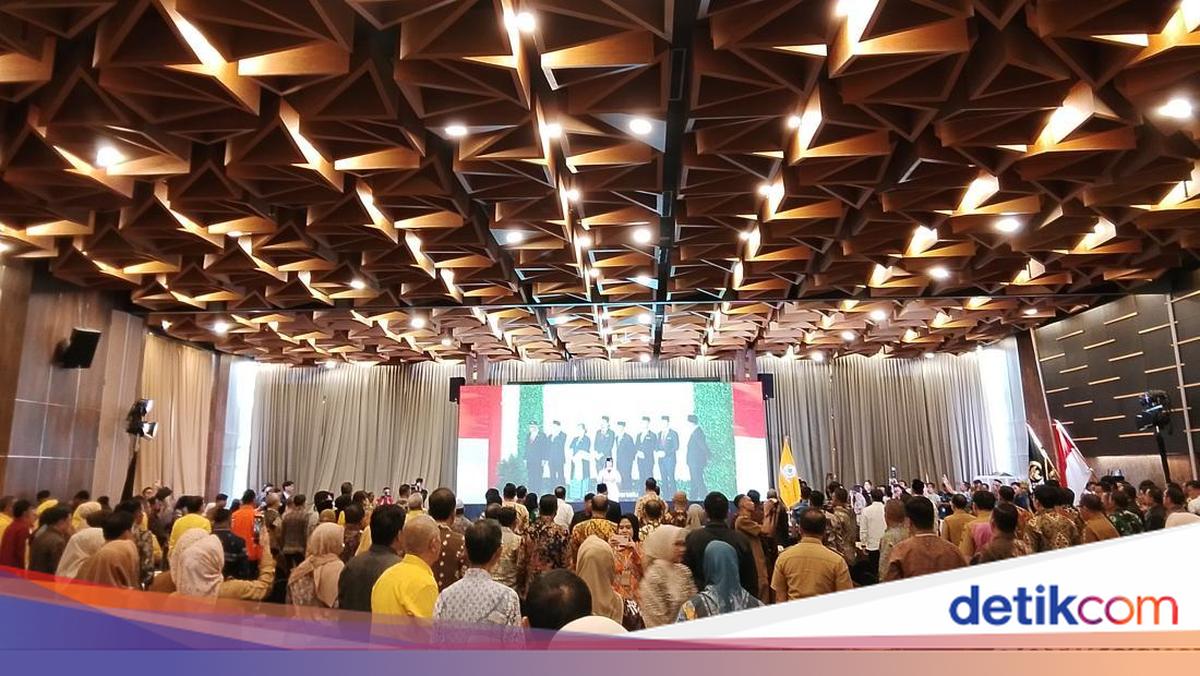
‘What should the context of the gap be treated with? One alternative is regional bonds. The legal instrument is ready, but why not be brave? Because it has to go through an IPO in the capital market. Well, that’s not easy,’ Didik said at the National Seminar on Regional Bonds at the Aston Palembang Hotel & Conference Centre, on Tuesday (19 May 2026).
During the discussion, Didik also highlighted the importance of financial literacy among policymakers and the public to avoid misunderstandings or baseless rejection.
He noted another recurring stumbling block is the local political factor at the regional parliament level.
‘Mentioning, of all the proposals, there are five or four, where does it stop? In the approval of the DPRD. That is noted,’ he said firmly.
He also reminded of the importance of risk mitigation and regulatory certainty so investors are not haunted by fears of local political dynamics. After all, investors often worry that if local leaders change, development policies and bond commitments will also change.
Regarding Sumsel’s position, Didik confirmed that this region is among 44 regions in Indonesia with robust fiscal capacity based on the Debt Service Coverage Ratio (DSCR).
Therefore, he urged the Governor of Sumsel to take concrete steps without passively waiting for central guidance.
‘The governor might already be able to issue instructions, prepare! That Sumatra Selatan (South Sumatra) becomes a test case for regional bonds. I agree! Unsri ready?,’ he said.
At the end of his presentation, Didik stressed that regional bonds under Environmental, Social, and Governance (ESG) principles are not merely a technical tool to patch a short-term APBD deficit. He asserted that this instrument is a catalyst for bureaucratic transformation so local governments can be financially autonomous.
‘Local governments can break out of the cycle of passively waiting for funds from the central government, when will it come? But some regional governments can free themselves from waiting for central funds. This is the moment to revolutionise, to evolve. Not just evolution, perhaps a revolution to be undertaken,’ he concluded.