
South Lampung Regency Partners with Itera to Strengthen Flood Disaster Mitigation
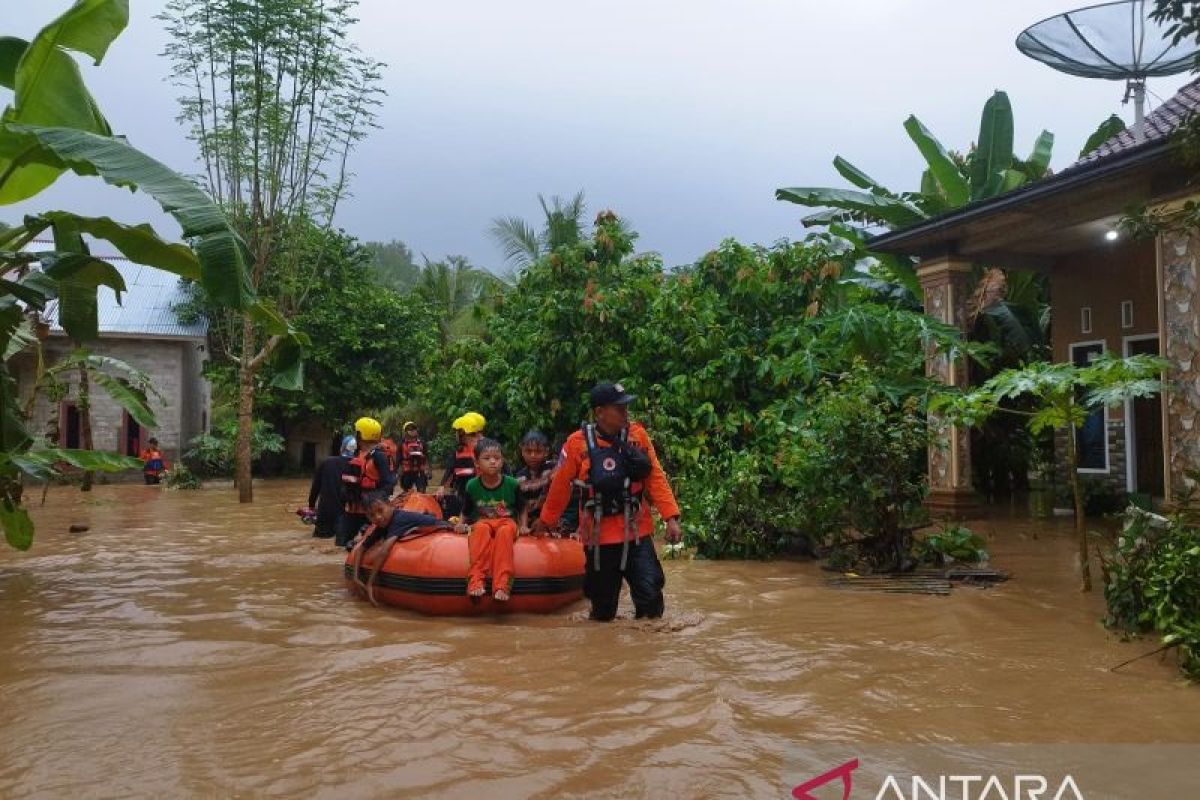
South Lampung (ANTARA) - The South Lampung Regency Government has partnered with the Institut Teknologi Sumatera (Itera) to formulate strategies aimed at strengthening flood disaster mitigation in the area.
District Head Radityo Egi Pratama, in Kalianda on Thursday, emphasised the importance of cross-sectoral collaboration in disaster management efforts, involving not only the local government but also the community and academics.
“Flood management must be carried out in a planned manner and based on scientific studies. We must design clear mitigation steps, both short-term, medium-term, and long-term. Therefore, flood issues need to involve experts to ensure appropriate handling,” he stated.
According to him, flood prevention efforts must be undertaken collectively, with environmental preservation serving as a key factor in preventing future disasters.
“If we protect nature, nature will also protect us. Therefore, environmental damage must be a shared concern,” he said.
He instructed sub-district heads to enhance monitoring of environmental conditions in their respective areas, including potential damage from activities such as mining that could trigger disasters.
Through this collaboration, the South Lampung Regency Government hopes to have a comprehensive, measurable, and sustainable flood management strategy, allowing potential disasters to be anticipated early and regional development to proceed optimally.
Meanwhile, Itera’s Team Leader Arif Rohman stated that the intensity of floods in South Lampung over recent years has shown an increasing trend, posing a serious threat to the sustainability of regional development.
“The relatively flat geographical conditions of the area, the interconnectedness of inter-regional river basin systems (DAS), and the suboptimal drainage system are the main factors causing recurrent floods at several points,” said Arif.
In addition, he noted that changes in land use from open areas such as rice fields and plantations to settlements have also reduced the soil’s water absorption capacity.