
South Korean Content Creator Criticises Bali's Waste Management: Locals Are Trying, But the System Is Not in Place
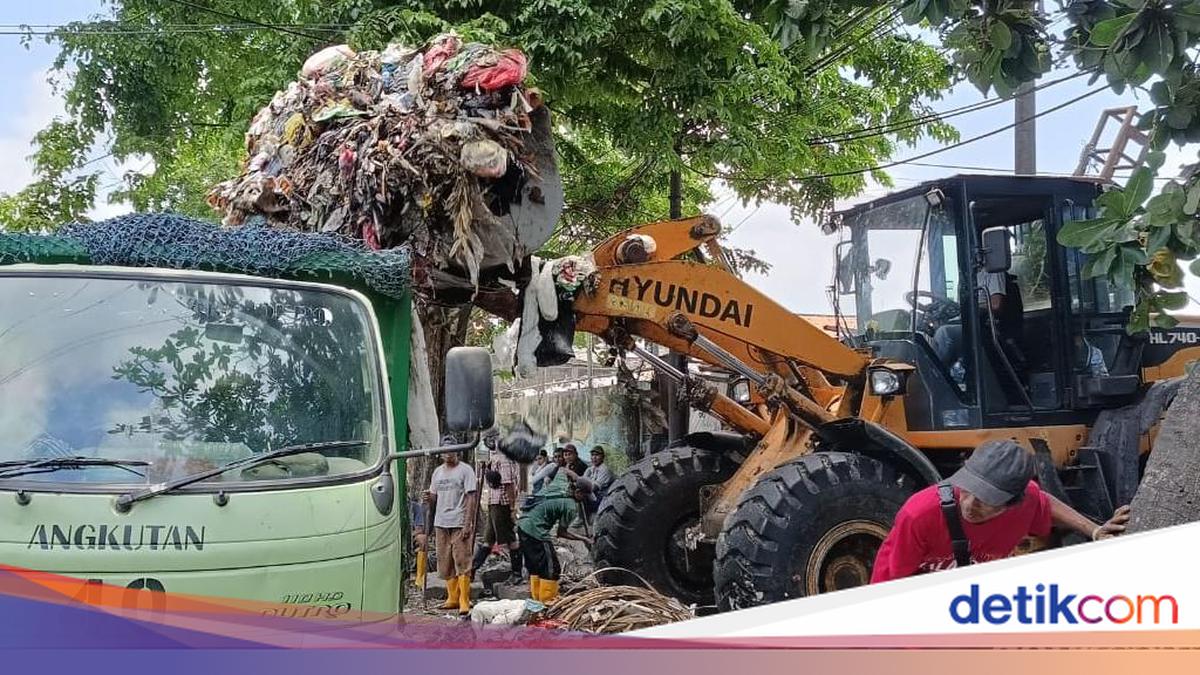
A content creator from South Korea, Shindong Lee, has criticised the suboptimal waste management in Bali. She has been living on the Island of the Gods after marrying an Indonesian man.
“I have been living in Bali for about a year. My husband and I visited Bali several times for holidays, and each time I fell in love with the nature, culture, and atmosphere. Finally, after getting married in Bali, I decided to start my married life here with my Indonesian husband,” said Shindong on Sunday (12/4/2026).
According to detikTravel, Shindong believes that local communities have actually been trying to keep the environment clean. However, these efforts are not matched with an adequate waste management system, causing the problem to persist.
This situation has become more apparent after the policy at the Suwung Final Disposal Site (TPA) stopped accepting organic waste from 1 April 2026. The policy aims to encourage source-based waste processing, so the TPA only accommodates inorganic waste and residue.
This system change shifts waste management to the household and village level. Organic waste must now be sorted and processed at the source. However, the transition process is considered not yet running optimally due to limited infrastructure and readiness on the ground.
Shindong shared her concerns via an Instagram video about waste with the caption: What do you think is the solution to Bali’s waste problem?
In a conversation with detikTravel, she expressed surprise at seeing piles of rubbish by the roadside. She also highlighted inconsistent waste collection practices, such as when residents’ sorted waste is mixed back together by officials.
“I have seen residents cleaning drainage channels themselves or volunteering to clean up rubbish several times. That’s why I feel even sadder. In my opinion, the residents have tried their best. But if the waste transportation system and reduction in single-use items are not improved, this problem will be hard to solve,” she explained.
Waste Management in South Korea is Strict
Shindong also compared Bali’s waste management with that in South Korea. She said that the South Korean government is serious about waste management. South Korea requires every resident to sort waste according to regulations and focuses on recyclable waste.
“In Korea, there is a huge focus on recycling. That’s why waste is separated in great detail. For example, when throwing away a plastic bottle, the label, bottle cap, and plastic bottle must be separated one by one. The bottle must also be emptied and must not have any residue inside,” she said.
Plastic bottles and glass bottles can also be collected and taken to recycling centres. Sometimes, residents can exchange that waste for money or points.
In front of sub-district offices or public facilities, there are machines that accept plastic bottles and cans and give points. She said that such a system makes people more active in recycling.
Shindong also said that waste management is very disciplined by area. The disposal of large furniture is also strictly regulated.
“In Korea, we have to buy official waste bags according to the residential area. If using bags from another area, the waste is often not collected. So the price of the bags can be said to be the waste disposal fee. In addition, food waste must be thrown away in special bags or containers,” she said.
To dispose of large items like beds, wardrobes, or tables, South Korean residents must buy special stickers from the local government office. Waste from home renovations must also be disposed of separately with additional costs. So in Korea, waste disposal fees are paid according to the type and amount of waste.
Suggestions for the Government on Bali’s Waste
Shindong believes Bali should also start implementing waste sorting and recycling, especially in resorts and hotels. Moreover, Bali always receives many tourists throughout the year. She opined that the role of accommodations in actively managing waste is very important.
In addition, Bali also needs the same standards for waste management across all areas.
“Instead of rubbish piling up for a long time in front of houses, I think it would be better if every area has a communal disposal site, so residents can directly sort and dispose of waste themselves. That way, problems like burning rubbish or piling it up too long in front of houses can also be reduced,” she said.