
South Korean Airlines Cut Hundreds of Flights Due to Rising Oil Prices
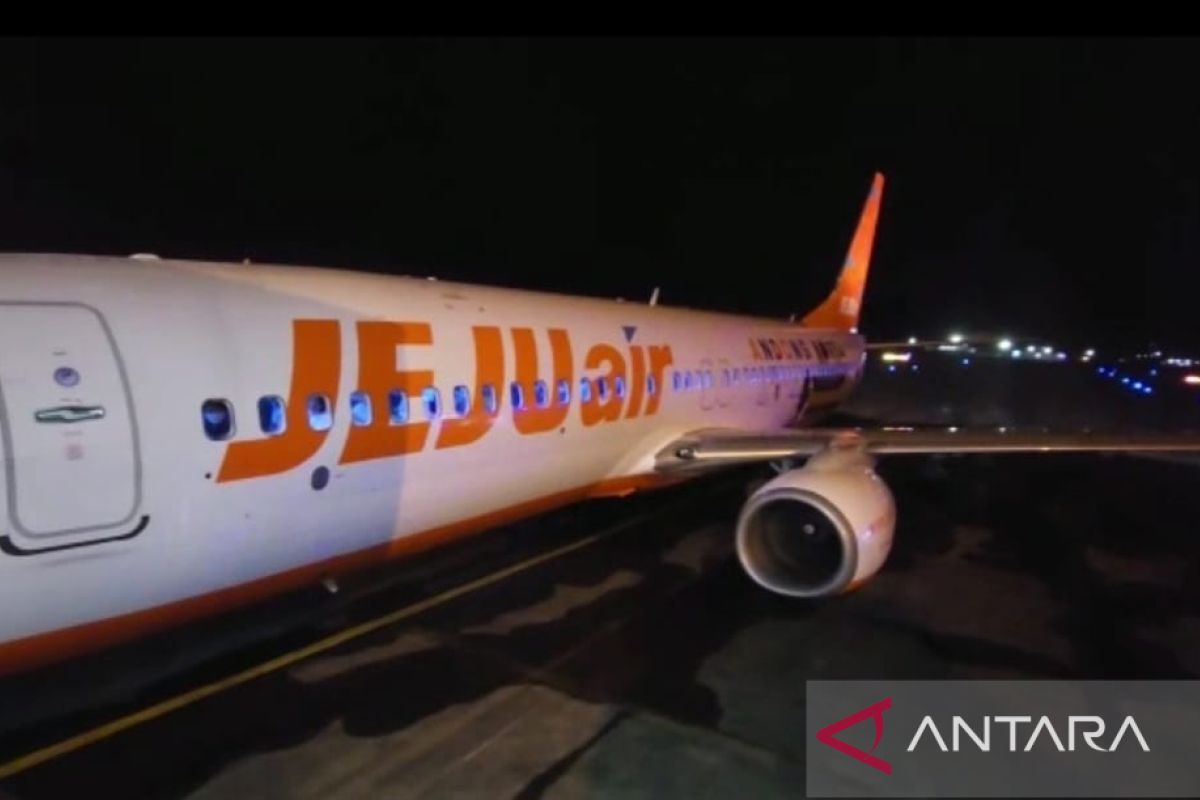
Seoul (ANTARA) - South Korean low-cost airlines have cut 900 round-trip flights and implemented unpaid leave and other emergency measures due to the rise in fuel prices triggered by the conflict in the Middle East, industry officials said on Sunday.
The flight reductions are occurring because jet fuel prices have surged following the US-Iran conflict. Some airlines have yet to finalise their June schedules, so the number of flight cuts is expected to increase further, according to the officials.
Jeju Air Co., South Korea’s largest low-cost carrier, has decided to cut 187 international round-trip flights.
The cuts amount to four per cent of its total operations on routes from Incheon, west of Seoul, to Bangkok, Singapore, and cities in Vietnam, Da Nang and Phu Quoc, during May and June. Since late April, the airline has also suspended the Vientiane route for two months.
Among full-service airlines, Asiana Airlines Inc. has cut 27 round-trip flights on six routes, including Phnom Penh and Istanbul, until July following the outbreak of the Middle East conflict.
Meanwhile, Korean Air Co., South Korea’s largest airline, has not yet adjusted its flight operations but has stated it is closely monitoring the situation under an emergency management system.
“Travel demand for medium- and long-haul routes has weakened due to the increasing burden of additional fuel costs,” an airline official said.
Other industry officials said some Southeast Asian routes now require additional fuel stops, and the higher fuel prices have sharply increased the cost of those additional refuelling operations.
The average Singapore jet fuel price, used as a benchmark for additional fuel surcharges, stood at 214.71 US dollars (Rp3.7 million) per barrel from 16 March to 15 April, up 150 per cent from the previous two months.
Amid deteriorating business conditions, Korean Air, Asiana Airlines, Jin Air, T’way Air Co., and other airlines have implemented emergency management measures.
T’way Air and Jeju Air have introduced unpaid leave programmes, while Jin Air has postponed safety incentive payments to employees.
The airlines recorded solid revenues in the first quarter, but many are expected to suffer losses in the second quarter due to the impact of the conflict through rising oil prices, declining travel demand, and a weakening Korean won, according to analysts.
Low-cost carriers are particularly vulnerable due to their weaker financial positions compared to major airlines.
Source: Yonhap-OANA