
South Korea to Attend Military Meeting on Strait of Hormuz Blockade
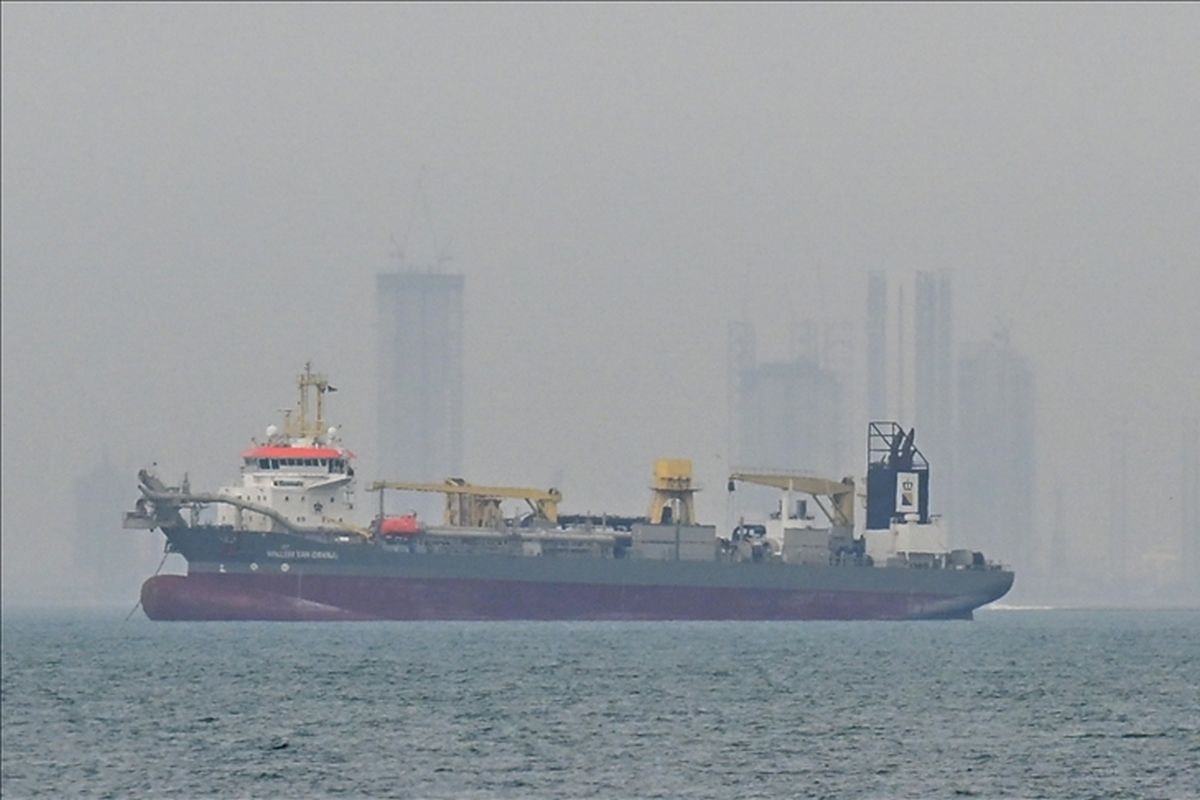
Moscow (ANTARA) - South Korea has accepted an invitation from France to participate in an international military meeting to discuss the blockade in the Strait of Hormuz and efforts to stabilise shipping, according to a Yonhap report on Thursday (26/3). On Wednesday, Reuters reported that the French Chief of Defence Staff, General Fabien Mandon, plans to hold a video conference with military leaders from various countries to discuss efforts to restore shipping in the Strait of Hormuz. The South Korean government decided to accept the invitation after considering the situation. Chairman of the Joint Chiefs of Staff of South Korea, Jin Young-seung, will represent the country, according to the report. Meanwhile, the South Korean government will reduce fuel taxes starting Friday amid rising prices due to the Middle East conflict and the effective halt of shipping in the Strait of Hormuz, according to the Yonhap report. Currently, taxes on petrol and diesel have been cut by 7% and 10% respectively. Starting Friday, these cuts will increase to 15% and 25%. The new policy will officially take effect on 1 April but will apply retroactively from Friday following adjustments to retail fuel prices by the government. The South Korean Ministry of Economy and Finance stated that the measure will be extended from the end of April to the end of May. If the situation deteriorates, the government may consider further tax cuts, depending on global fuel prices. Under current regulations, fuel taxes in South Korea can be reduced by up to 37%. On 28 February, the United States and Israel launched attacks on targets in Iran, including in Tehran, causing damage and killing civilians. Iran then retaliated by attacking Israeli territory and US military facilities in the Middle East. This escalation has led to a de facto blockade of the Strait of Hormuz, the main shipping route for oil and liquefied natural gas from Gulf countries to global markets. The disruption has also affected oil exports and production in the region and driven up global energy prices.