
South Kalimantan Strengthens Halal Industry Ecosystem
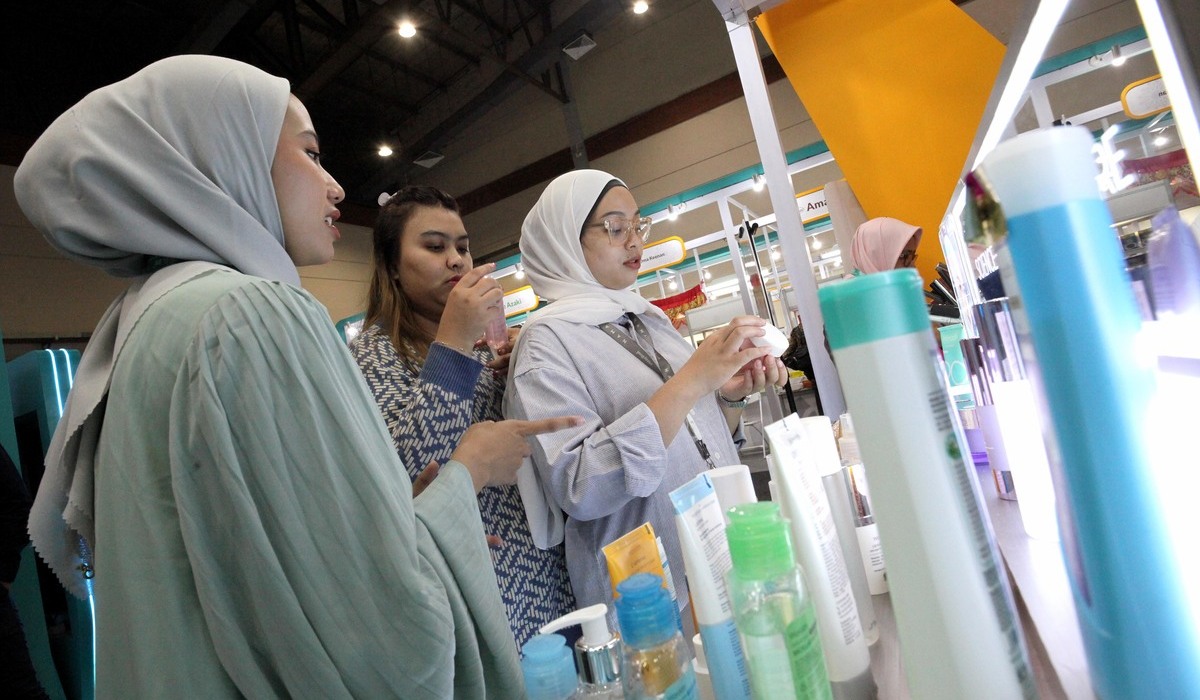
The Provincial Government of South Kalimantan (South Kalimantan) continues to strengthen the halal industry ecosystem in the region to enhance the global competitiveness of industries and SMEs. “One of the efforts we are undertaking to strengthen the halal industry ecosystem is through halal certification of SME products. We acknowledge that not all SMEs yet possess halal certification,” stated the Head of the Cooperative and SME Office of South Kalimantan Province, Rahmadin, on Tuesday (24/3). According to him, strengthening the halal industry ecosystem is part of the regional development vision and mission, which includes halal food and sharia finance. The halal ecosystem is an integrated system that connects producers, raw materials, sharia finance, and consumers based on sharia principles. “This is also part of our efforts to strengthen and enhance the global competitiveness of SMEs. In addition to facilitating halal certification, we are also promoting human resource training, and the creation of environmentally friendly and modern product packaging through the Cooperative and SME Training Centre,” said Rahmadin. In the field, the halal certification policy still faces various challenges, including insufficient socialisation, awareness among SME actors, and the scattered locations of SMEs in remote areas. Based on data from the South Kalimantan Provincial Cooperative and SME Office, as of 2024, the number of cooperatives in the region is recorded at 3,057 units in 2024. This data does not include Red and White Cooperatives (KMP) which the government is vigorously establishing in every village and sub-district. As many as 180 of these cooperatives are provincial-guided cooperatives. Meanwhile, the number of SMEs in South Kalimantan is recorded at 509,766 units, consisting of 507,230 micro-enterprises, 2,201 small businesses, and 335 medium-sized enterprises. The Head of the Economy Bureau of the South Kalimantan Provincial Secretariat, Eddy Elminsyah Jaya, emphasised that the regional government continues to develop a sharia-based economy. Through strengthening the halal ecosystem, the local government aims to boost SME competitiveness while expanding access to financing and sharia financial literacy.