
South Jakarta to Stop Sending Waste to Bantargebang in 2027: Where Will It Go Next?
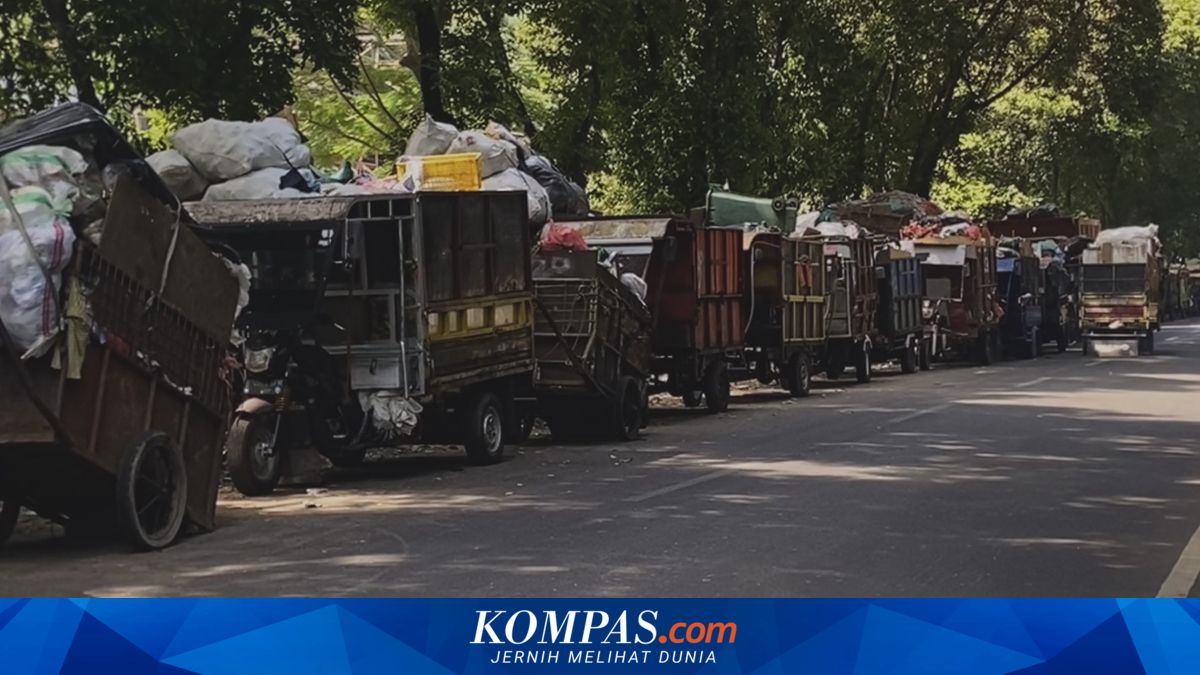
The South Jakarta Administration aims to stop sending waste to the Bantargebang Integrated Waste Processing Site starting in 2027. This target emerged following instructions from the Minister of Environment stating that the Bantargebang site will no longer accept waste from DKI Jakarta from next year. So, if waste is no longer disposed of at Bantargebang, how will South Jakarta manage it? “The quickest way to handle waste is to process it right on the spot. So it won’t be transported far to Bantargebang anymore,” said Hendrik when met at the South Jakarta Environmental Office, on Wednesday (6/5/2026), quoted from Antara. This means that waste will no longer be entirely transported to the final disposal site, but instead processed directly in each respective neighbourhood. Organic waste is prioritised because it is the largest contributor to waste accumulation in Jakarta. Based on data from the National Waste Management Information System (SIPSN), food waste accounts for 49.87% of total waste. Meanwhile, wood and branch waste contributes around three percent. Thus, the total organic waste in South Jakarta is said to exceed 50% of the overall waste generation. That organic waste includes: “Those two types of organic waste are our targets, to be processed using jumbo biopori and modern teba, which are planned to be distributed throughout South Jakarta,” said Hendrik. Jumbo biopori is a large-capacity container, like a used 30 to 120 litre bucket, used communally to process organic waste. Meanwhile, modern teba is a waste processing system based on Balinese local wisdom, consisting of a 2-3 metre deep composting hole reinforced with concrete and equipped with a lid.