
South Jakarta Requires Every District to Manage Waste via teba and biopores
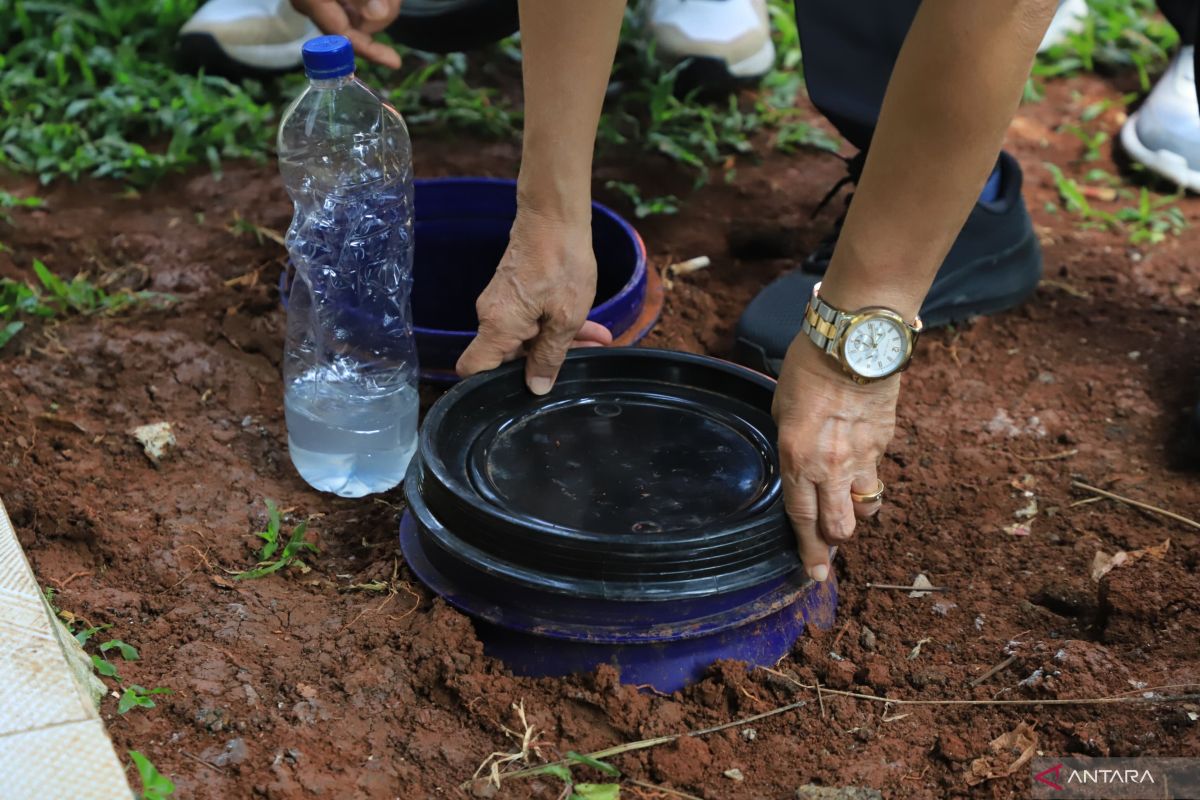
South Jakarta City Administration Government (Jaksel) requires each district to independently manage waste through teba and biopores in order to reduce shipments of waste to the Integrated Waste Processing Facility (TPST) Bantargebang.
“Residents independently create biopores at their homes, and we also provide tool assistance,” said South Jakarta Mayor Muhammad Anwar during a tour of a waste-sorting site at RT 01/RW 07, Lebak Bulus, Jakarta, on Friday.
He said the activity aligns with the instruction of the DKI Jakarta Provincial Government which mandates households to sort domestic waste starting 10 May 2026 to reduce waste piling at TPST Bantargebang.
In installing biopores underground, Anwar ordered that a hole be made in the tube so that odour from waste microbes does not spread upwards.
He also urged the RT and RW chairmen to set an example of waste reduction by creating biopores.
“I hope the Environment Office will help establish biopore sites, tailored to the amount of waste. The bottom line is that no waste leaves this complex and the only items lifted are inorganic ones with resale value,” Anwar said.
These steps are expected to gradually change the public’s mindset to sort waste at home to reduce waste going to the TPST Bantargebang.
Previously, the South Jakarta Environmental Office distributed 2,300 jumbo biopores to sort residents’ waste while also reducing dependence on shipments of waste to the TPST Bantargebang.
According to data from the DKI Jakarta Environment Agency in 2025, Jakarta’s waste volume averaged more than 7,900 tonnes per day.