
South Jakarta Administration Notes Rise in Red Chilli Prices Ahead of Lebaran
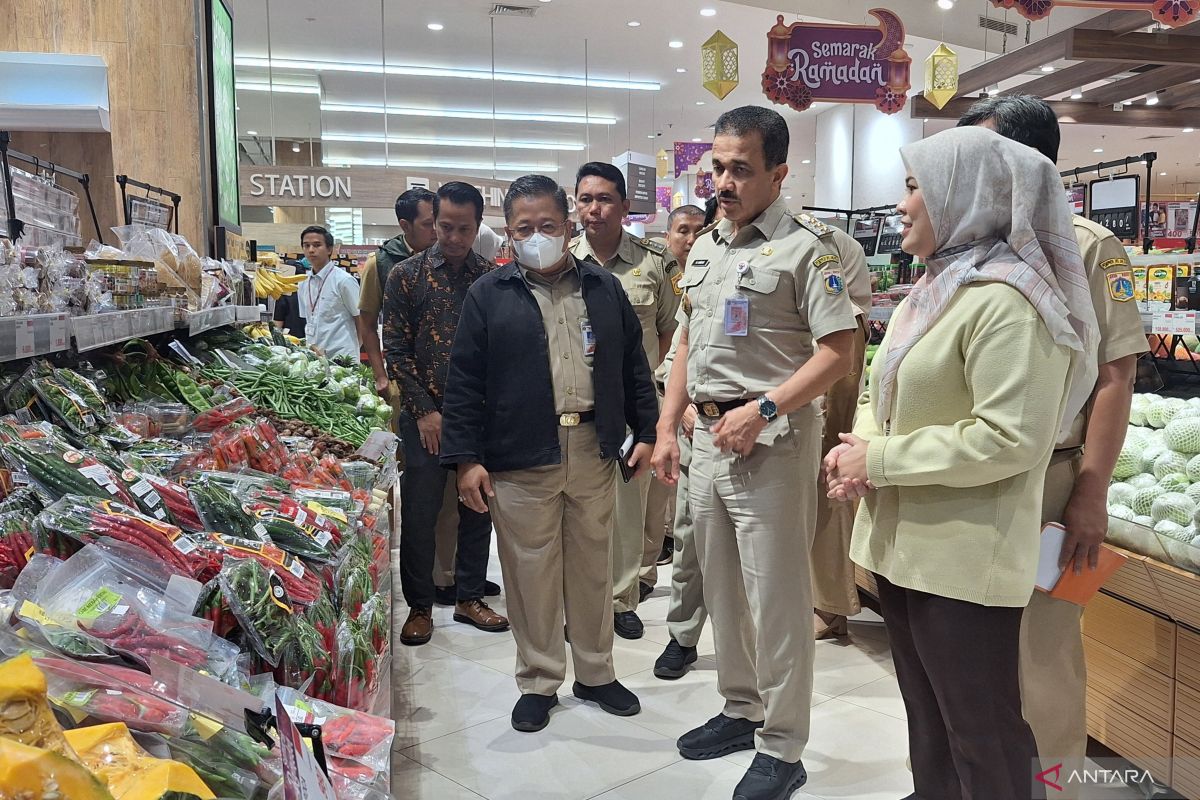
Jakarta — The South Jakarta municipal administration has recorded an increase in red chilli prices as Lebaran (Eid al-Fitr) approaches.
“Some prices may have gone up, like curly chilli, but the increase is still affordable,” said South Jakarta Mayor Muhammad Anwar when met at the AEON modern market in Tanjung Barat Jakarta on Tuesday.
He stated that his office, together with the DKI Jakarta Provincial Government, had held a meeting to ensure there would be no excessive price increases ahead of Lebaran. Accordingly, monitoring conducted in both modern and traditional markets is expected to maintain price stability in the market.
During surveillance in the lead-up to Lebaran in South Jakarta, red bird’s eye chilli prices were found to have increased to Rp110,000 per kilogram, up from the previous Rp100,000 per kg.
“We have noted that price changes remain under control,” said Anwar.
Red onions have declined to Rp52,500 per kg, down 1.56 per cent from the highest price, or up five per cent from the price at the beginning of Ramadhan month.
Broiler chicken remains relatively stable, with an initial price of Rp41,667 per kg rising to Rp44,167 per kg.
Layer chicken eggs briefly fell from Rp32,083 per kg to Rp31,333 per kg, a decline of 2.34 per cent, before rising again to Rp31,833 per kg, representing only a 0.78 per cent decrease from the price at the beginning of Ramadhan.
Beef, meanwhile, rose from Rp138,333 per kg at the start of Ramadhan to Rp142,857 per kg, an increase of around 3.27 per cent, before returning to Rp141,667 per kg by the end of the period, representing a 2.41 per cent increase from the starting price.
Bulk cooking oil has been recorded rising from Rp20,500 per litre to Rp20,667 per litre, an increase of 0.81 per cent from the price at the beginning of Ramadhan.
Overall, despite increases in several commodities, prices at the end of the period have tended to return close to the average price, thus requiring no special intervention measures.