
Sorting Household Waste: Not a New Concept, but Now Mandatory in Jakarta
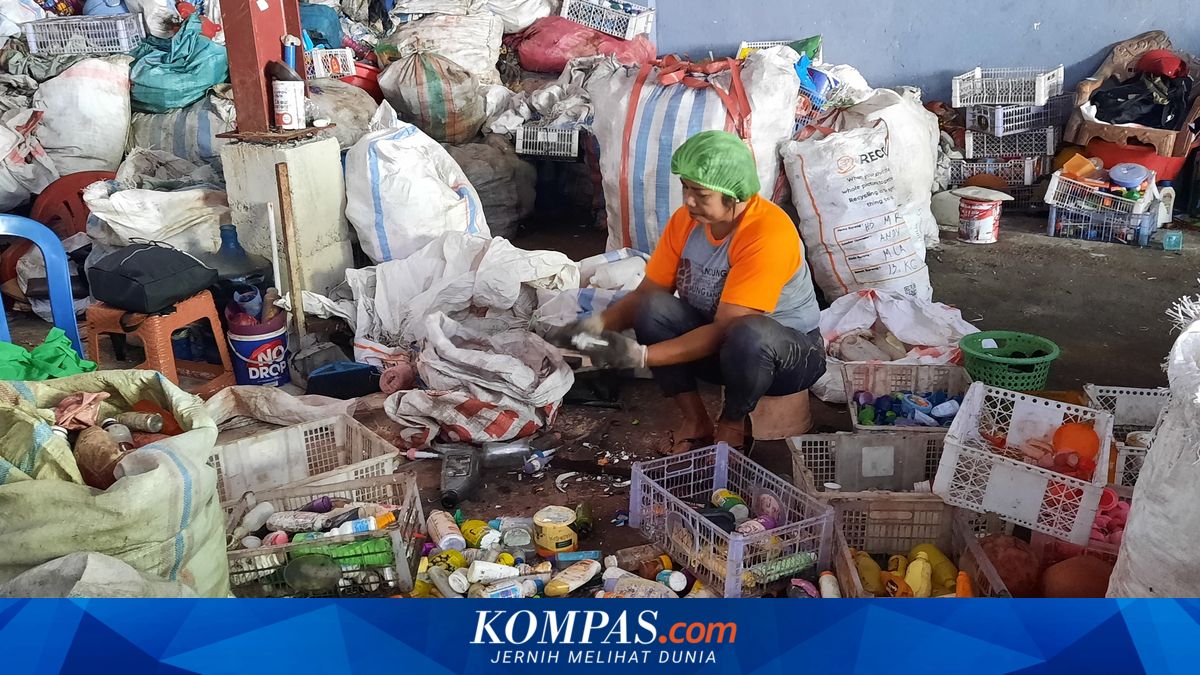
Jakarta Province has now officially initiated household waste sorting to improve the waste management system in the capital. The declaration of this movement was delivered by Jakarta Governor Pramono Anung, together with Environment Minister Jumhur Hidayat and Coordinating Minister for Food Affairs Zulkifli Hasan, at the Car Free Day event on Jalan Rasuna Said in South Jakarta on Sunday (10/5/2026). “Today, the Jakarta Government, under the guidance and direction of the Coordinating Minister for Food and the Environment Minister, is holding a waste sorting activity in accordance with the governor’s instructions,” stated Pramono on Sunday. Technically, the waste sorting movement encourages the public to separate organic from inorganic waste before it is taken to the final disposal site. In the future, such waste sorting will be mandatory. This is because, previously, waste from various areas in Jakarta was directly transported to the Integrated Waste Processing Site (TPST) Bantar Gebang in Bekasi, West Java. “Besides Bantar Gebang, we also have RDF Rorotan and TPS 3R. These will serve as the waste collection points,” he said. In line with that, Pramono will also tighten waste sorting management from the hotel, restaurant, and cafe sector (horeka) in Jakarta. He emphasised that there will be sanctions for businesses that do not properly implement waste sorting regulations. However, Pramono has not yet detailed what kind of sanctions are meant. “If they do not comply or fulfil it, then sanctions will be imposed,” he asserted. Based on the regulation, Pramono divides waste into four main categories with respective processing methods. The details are as follows: