
Sort Waste at Home, Jakarta DPRD Requests Provincial Government to Prepare Special Waste Transportation
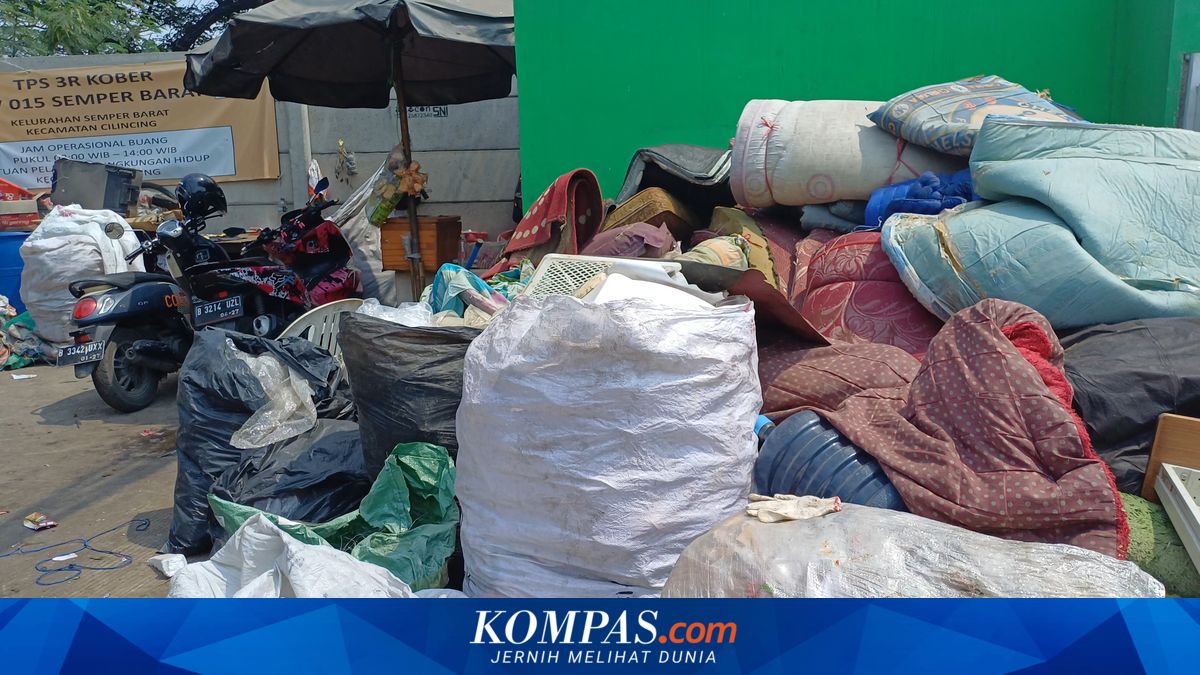
A member of Commission D of the DKI Jakarta DPRD, Ali Lubis, has requested that the DKI Jakarta Provincial Government prepare a special waste transportation system to support the household waste sorting programme.
According to him, the waste sorting programme will not run effectively if waste already separated by residents is mixed again during the transportation process.
“The waste sorting programme will be effective and successful if there is full support and backing from the Jakarta Provincial Government,” said Ali when contacted by Kompas.com on Friday (15/5/2026).
One important step considered is to encourage waste sorting from the source, such as households, hotels, markets, restaurants, and other business areas.
However, according to Ali, the waste transportation system must also be well prepared so that the programme does not run in vain.
“The waste transportation system must be adequate. That means the waste being transported should not be mixed again, but must be according to its type,” he said.
In addition to the transportation system, Ali also asked the DKI Provincial Government to maximise the existence of waste banks in every RW by providing supporting facilities.
Waste banks need to be equipped with tools such as shredding machines and other equipment to assist the waste processing process.
“Waste banks in every RW must be maximised with adequate supporting facilities,” said Ali.
He proposed that the government start preparing waste processing machines based on waste-to-energy at the sub-district level.
According to him, this step could help reduce the volume of waste taken to the final disposal site.
“If waste management from the source runs well, Jakarta’s waste burden can certainly be greatly reduced,” said Ali.
For information, DKI Jakarta Governor Pramono Anung previously issued Governor’s Instruction (Ingub) Number 5 of 2026 on the waste sorting movement from the source.
Through this policy, residents are encouraged to sort organic, inorganic waste, and waste that can be recycled from households.
This is because, starting from 1 August 2026, the Bantargebang TPST is targeted to only receive residue waste or waste that truly cannot be processed anymore.