
Solar-Powered Irrigation in Remote Areas to Cut Operational Costs
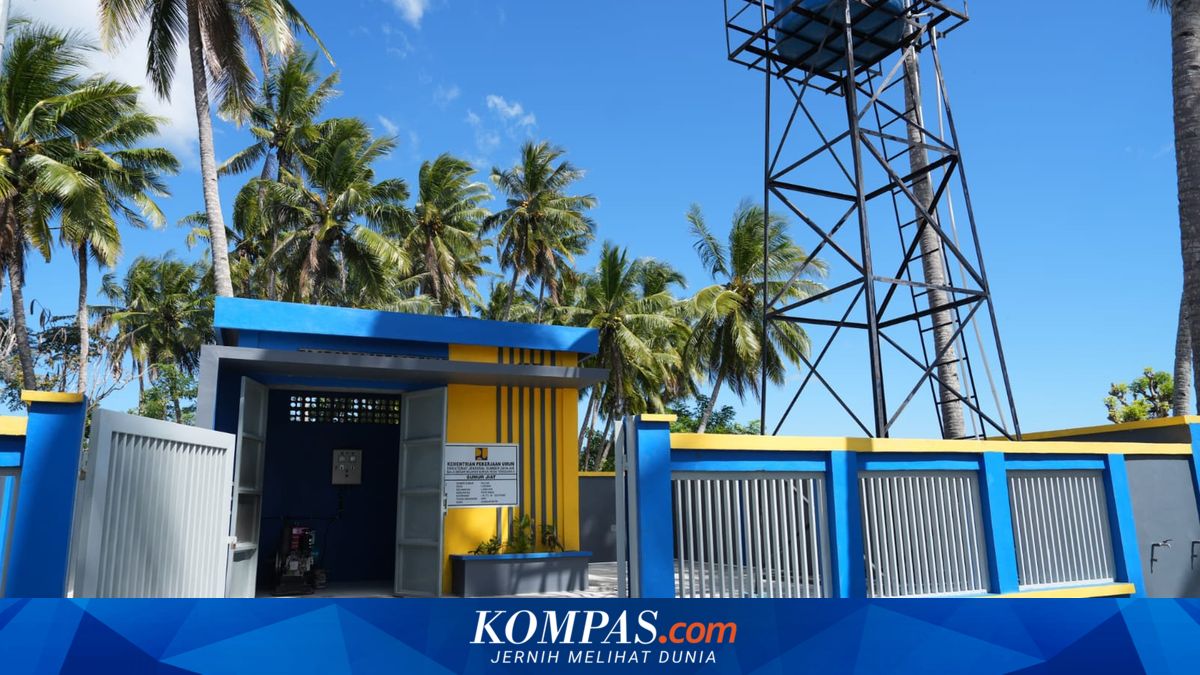
Minister of Public Works Dody Hanggodo has urged the use of solar energy to support the operation of Groundwater Irrigation Network (JIAT) systems in remote areas. In addition to constructing wells and groundwater pumps, he has also promoted the installation of solar panels where feasible. According to Dody, more efficient energy use is necessary to ensure the sustainability of irrigation services, particularly in remote, border, and outermost regions (3T). The move is expected to reduce pump operational costs while maintaining irrigation services for farmers. He added that JIAT aims to secure water availability for agricultural land, thereby boosting farm productivity and strengthening national food security. During his visit, Dody also instructed that JIAT development in Rote Ndao should not solely focus on well and pump construction. He stressed that the infrastructure must be complemented with tertiary channel networks tailored to the land’s morphology to ensure more effective water distribution to farming areas. The Ministry of Public Works considers JIAT development a solution for providing water to rain-fed agricultural land in Rote Ndao. With this plan, new JIAT wells are expected to be built progressively and precisely targeted, ensuring benefits reach more communities. JIAT development in Rote Ndao is part of the government’s efforts to enhance agricultural productivity and support national food self-sufficiency targets. One of the JIAT facilities inspected is located in Lekunik Village, Lobalain Subdistrict. The facility was built using the national budget with a budget of Rp1.5 billion. The borehole has a water flow rate of 9 litres per second and currently serves 10 hectares of farmland. During the second planting season, surface water availability often decreases, making groundwater supply a crucial alternative for farmers to maintain agricultural production.